10 Best Heavy Duty Doormats for Muddy Boots 2026

This post may contain affiliate links. As an Amazon Associate I earn from qualifying purchases. If you choose to make a purchase, I may earn a small commission at no extra cost to you.
Muddy boots track grit and water indoors, and a thin mat may let both spread across the floor. Your best choice depends on whether you need a place to park wet boots, scrape packed mud away, or catch moisture at the doorway.
Check the surface, edge height, grip, and size. Raised trays hold runoff, open designs let water pass through, and woven mats catch dirt at the entrance. A low profile helps if your door swings close to the floor.
The UltraLegend Natural Rubber Boot Tray is our top pick among the best heavy duty doormats for muddy boots in 2026. The options below cover several entryway needs, from scraping mud to containing water.
Our Top Heavy Duty Doormats Picks

UltraLegend Natural Rubber Boot Tray
- Type: Rubber boot tray
- Size: 47.6 x 16.1 inches
- Material: 100% natural rubber

TonTool Extra-Large Rubber Boot Tray
- Type: Rubber boot tray
- Size: 47.24 x 15.75 inches
- Material: 100% natural rubber

- Type: TPE shoe scraper mat
- Size: 17 x 30 inches
- Material: Flexible TPE

Kings County Tools Boot Brush Mat
- Type: Wooden boot brush mat
- Size: 31.5 x 14 inches
- Material: Beechwood, rubber, PVC

- Type: Rubber boot tray
- Size: 16 x 47.5 inches
- Material: Heavy-duty rubber

- Type: Rubber boot tray
- Size: 16 x 27.5 inches
- Material: 100% rubber

Durable Corporation Durite Mat
- Type: Tire-link entrance mat
- Size: 36 x 24 x 0.62 inches
- Material: Recycled rubber

Durable Corporation Dura-Rug Mat
- Type: Recycled-fiber entrance mat
- Size: 20 x 30 inches
- Material: Recycled tires, fabric

- Type: Woven entryway doormat
- Size: 35.4 x 47.2 inches
- Material: Polyester, natural rubber

- Type: Woven entry mat
- Size: 29.5 x 17 inches
- Material: Woven top, TPE backing
More Details on Our Top Picks
The UltraLegend Natural Rubber Boot Tray gives you a long, sturdy spot for muddy boots and a brush for stubborn dirt. Its natural rubber body has a one-inch raised edge to hold mud and water, while the textured top helps keep footwear steady.
You also get a horsehair brush for cleaning shoes and scrubbing dirt from the tray. Handles on both sides make it easier to move, and you can rinse the waterproof, stain-resistant rubber with water. The long shape suits a busy entry where several pairs need room.
Compared with simple trays, the UltraLegend Natural Rubber Boot Tray does more to loosen caked-on debris before it reaches your floor. Its size takes up more doorway space than a compact mat, so measure your entrance before you choose it. The brush also adds a piece you need to keep track of.
Bottom line: Choose it if you want a long rubber tray that catches mud and gives you a brush for cleaning boots. Its raised sides and handles also suit a busy entryway.
The TonTool Extra-Large Rubber Boot Tray gives you nearly four feet of space for wet shoes and boots. Its natural rubber construction weighs 4.74 pounds, and the raised lip helps keep melting snow, rain, and mud on the tray instead of your floor.
A textured top and non-slip bottom help the tray stay put on tile, wood, or carpet. You can rinse it with a hose or wipe it with a damp cloth, which makes cleanup simple after a muddy day. Its long, narrow shape works well along a wall or in a mudroom.
Compared with shorter trays, the TonTool Extra-Large Rubber Boot Tray can hold more footwear side by side. It also takes up more floor space, so it may crowd a small entry. You can use it for pet bowls, litter boxes, or gardening gear when boots are not the main concern.
Bottom line: Pick this tray if you need room for several pairs of shoes and want raised sides to contain slush and mud. Its long footprint fits best where you have space along an entry wall.
The Tecoom TPE Shoe Scraper Mat uses raised teeth to work dirt out of boot treads before you step indoors. Its dense scraper surface loosens mud, grass, sand, and snow, while the grooves catch the debris.
The open design lets water and loosened dirt rinse away with a garden hose. You can shake off extra water and let the mat drain, so mud does not sit embedded in fabric. Its textured backing helps the mat stay in place through everyday foot traffic.
At 17 by 30 inches, the Tecoom TPE Shoe Scraper Mat fits everyday entrances without taking over the floor. It offers more direct sole-scrubbing than a flat woven mat, but it does not provide the broad parking area of a long boot tray. Use it where cleaning shoe bottoms matters more than storing several pairs.
Bottom line: Choose this mat if you want raised teeth to loosen mud and grit from boot soles. Its compact size suits a door or porch where you can rinse the mat clean.
The Kings County Tools Boot Brush Mat gives you a firm surface for scraping caked mud and slush from shoes. Stiff PVC bristles cover the top, and the built-in boot brush does more active cleaning than the flat surface of a standard tray.
Beechwood planks hold the bristles, and rubber runners underneath help protect floors from scratches while keeping the mat steady. The 31.5-inch length gives you room to clean several pairs of footwear. Its rustic wood-and-black finish also looks distinct from plain rubber trays.
Unlike mats that mostly catch drips, the Kings County Tools Boot Brush Mat focuses on brushing debris off your soles. Its bristles can work into boot treads, but the mat does not offer raised sides to contain puddles. You may want a separate tray nearby for very wet boots.
Bottom line: Pick this mat if you want to scrub dried mud and slush off boot soles at the door. Add a separate tray if you also need to contain water from wet footwear.
The tchdio Rubber Boot Tray gives you a long, 16-inch-wide landing spot for dirty shoes and boots. Its heavy-duty rubber body and raised edges help contain mud, rainwater, and melting snow before they reach your floor.
You can wipe the tray or rinse it clean after use. The non-slip design suits an entryway or mudroom, and the long shape also works in a garage for muddy footwear. Its simple black finish keeps the focus on floor protection rather than decoration.
Compared with the TonTool tray, the tchdio Rubber Boot Tray has a similar long format and covers the same basic job of catching wet debris. It also works as a shoe mat, so you can use it for different footwear. The plain surface offers less active sole-scrubbing than a mat with raised teeth or bristles.
Bottom line: Choose this tray if you want a long rubber mat for boots, shoes, or garage use. Its raised edges and rinse-clean surface make it a practical choice for wet footwear.
The SUPENUIN Rubber Boot Tray catches drips, dirt, and mud from footwear in a compact 16-by-27.5-inch footprint. Its raised edges help keep spills contained, while the textured surface helps shoes stay in place instead of sitting directly in dirty water.
The tray uses waterproof, stain-resistant rubber and weighs 3.3 pounds. You can rinse it or brush away debris, and the anti-slip bottom helps it stay put on different floor types. The rubber also keeps its shape when you step on the edges, so it does not fold up easily.
Compared with the longer trays in this group, the SUPENUIN Rubber Boot Tray takes up less room by the door. It holds less footwear than those extra-long options, but its pet-friendly uses make it handy beyond the entry: you can place food bowls on it or catch cat litter. The patterned look adds some character to a basic utility tray.
Bottom line: Pick this tray if you want a sturdy, compact spot for wet boots or shoes. It also suits pet areas where you need a washable surface to catch spills or litter.
The Durable Corporation Durite Mat uses an open weave to let water and dirt pass through instead of collecting on top. Its recycled tire-link construction gives you a flexible mat for busy outdoor entrances, garages, patios, and work areas.
The herringbone pattern lets mud, grass, and debris fall through the surface. Water can drain and air can move through the open links, which helps reduce standing moisture. You can shake off loose dirt or rinse the mat, then roll it up for storage.
Compared with fabric mats, the Durable Corporation Durite Mat focuses on drainage rather than soaking up moisture. That open construction suits a muddy doorway, but dirt can fall beneath the mat instead of staying on its surface. Its 24-by-36-inch size offers more coverage than a small scraper mat without stretching across an entire entry.
Bottom line: Choose this mat if you want water and loose debris to pass through an open surface. It works well for a muddy patio or garage entrance where quick rinsing matters.
The Durable Corporation Dura-Rug Mat combines recycled tire and fabric materials in a flexible entrance mat. Its carpet-like weave catches dirt and moisture, giving you a softer surface than an open tire-link mat.
You can shake out debris, vacuum the surface, or rinse the mat with water. Its flexible build also lets you roll it up for storage, which helps when you need to clear the entrance. The 20-by-30-inch size suits a front door, patio, garage, or commercial entry.
Compared with rubber trays, the Durable Corporation Dura-Rug Mat absorbs moisture and traps grit rather than holding wet boots inside raised sides. That makes it a useful first step at the door, though you may want a tray for footwear that drips heavily. Its residential and commercial use gives you room to place it in a home or a busy work entrance.
Bottom line: Pick this mat if you want a flexible, absorbent surface that traps grit at a door. It also works for a garage or commercial entrance where you can shake or rinse it clean.
The jxgzyy Woven Entryway Doormat gives you a broad surface to catch dirt and moisture from shoes, boots, and paws. Its woven polyester fibers scrape dust and debris from soles, while the rubber edges help stop water from pooling.
A rubber backing grips the floor and helps block water and mud from seeping through. The low-pile profile clears most doors, and you can sweep, vacuum, or shake the mat for everyday cleanup. For a deeper clean, rinse it with a hose or wash it in a washing machine.
Compared with raised rubber trays, the jxgzyy Woven Entryway Doormat feels more like a conventional entrance rug and covers a larger area. It lacks raised sides for holding puddles, so it suits tracked-in moisture better than dripping boots. You can hang it to dry or tumble-dry it in a ventilated area.
Bottom line: Choose this mat if you want a wide, low-pile rug to catch dirt and moisture across an entry. Its washable surface makes it a useful fit for a busy home.
The WELDUN Low-Profile Entry Mat catches mud, sand, water, and dust in a slim 29.5-by-17-inch shape. Its thick woven surface has deep grooves to lift debris from shoes and pet paws before you bring it inside.
A textured TPE backing grips hardwood, tile, marble, and concrete. The mat stands 0.3 inches high, so it can fit beneath doors that might catch on a taller tray. You can vacuum, sweep, shake, or rinse it with water, then let it air-dry.
Compared with deep boot trays, the WELDUN Low-Profile Entry Mat takes up less vertical space and works across more types of flooring. Its low sides do not contain as much standing water as a raised tray, so very wet boots may need another spot to drip. The weather- and fade-resistant materials suit indoor or outdoor use.
Bottom line: Pick this mat if you need a thin surface that catches dirt without blocking a door. Its textured backing also suits tile, wood, and other common floors.
Factors to Consider When Choosing Heavy Duty Doormats for Muddy Boots
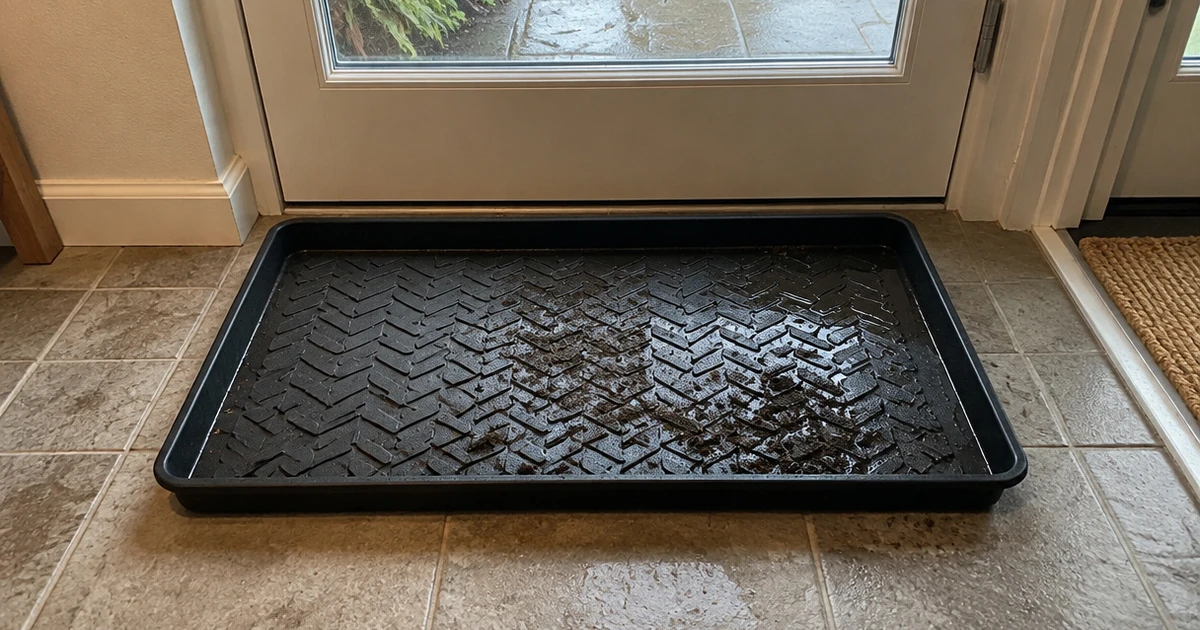
Start by matching the mat to your entryway and the mess your footwear brings in. A useful pick should handle the dirt, water, and foot traffic you expect without getting in the way.
Surface and Scraping Power
Think about what arrives on your boots. Sticky clay and packed soil call for raised teeth, stiff bristles, or deep grooves that touch the soles.
Loose grit and water may suit a textured tray that gives you a place to leave footwear. Woven surfaces can catch dirt and moisture near the door, while open rubber designs let water pass through.
Match the surface to the mess you see most often, not just to the phrase “heavy duty.” Mud can settle into grooves and need a rinse, while a simpler tray may be easier to wipe. If your main trouble is dirt packed into boot treads, pick a design that scrapes as you step or lets you brush each sole.
Size and Coverage
Measure the floor space beside the entry and check the door swing before you choose a size. Leave room for boots to sit fully on the mat, with enough width for the pairs your household removes at once.
A long, narrow tray fits a row of footwear; a compact mat suits a tight landing. A broad entry mat covers more of the walking path but takes more floor space.
| Mat format | Useful when | Check before buying |
|---|---|---|
| Long tray | You line up several pairs | Depth for your boot soles |
| Compact tray | Your entry has little floor space | Room for the pairs you remove |
| Broad entry mat | You want more walking coverage | Available floor width and length |
If footwear extends beyond the mat, dirt and water can reach the floor. Measure the boots and the landing area, then compare both dimensions with the mat size.
Water Containment and Drainage
Think about where water and loose dirt go after you take off your boots. Raised edges keep runoff gathered on the mat, which helps beside an indoor entry, but you need to empty or rinse the tray before water spills over. Open-weave rubber mats let water drain through, so use them where the floor beneath can handle runoff or where you can lift the mat to clean below.
Grooved scraper surfaces also need a place for loosened mud to collect or drain. Choose raised edges when you want to contain water on the mat. Pick an open design when standing water is your main concern and you can manage the area underneath.
Grip and Stability
Check both the top surface and underside for grip. A textured surface can give boots a steadier place to land, while a non-slip backing or rubber runners help limit shifting on smooth floors.
Place the mat flat and check that its edges stay down as people step across it. A curled or sliding edge can get in the way during busy entry times.
If the mat sits outside, check that the ground stays level and that rain will not push it out of place. A heavy material can help anchor a mat, but fit and backing still matter. Choose a design that stays put without blocking the path or creating a raised edge you might catch with a foot.
Cleaning and Upkeep
Mud builds up faster on a mat that sees several pairs of boots each day. Pick a cleaning method you can keep up with, and think about where you will shake or rinse the mat. Trays and open-weave mats tend to suit these simple routines:
- Wipe or rinse a rubber tray.
- Shake loose dirt from an open mat.
- Vacuum a carpet-like surface between rinses.
Deep grooves and bristles can scrape away dirt, but debris may settle among them. A flat woven mat can collect grit too, so check its surface as part of your regular entryway cleanup. A mat that you can move easily makes it simpler to clean the floor below.
Door Clearance and Placement
Measure the gap beneath your door before choosing a thick or raised mat. If the door swings close to the floor, a low-profile woven style may fit more easily.
A raised tray can hold runoff, but its lip adds height at the entry. Check the full path of the door, not only the space at the threshold.
Placement also affects how you use the mat. Put a scraper where you can reach it before stepping inside, or place a tray where you can set boots down without blocking the doorway. If you need separate spots for scraping and catching water, check that both can fit without narrowing the walking path.
Picking a Mat for Your Muddiest Entry
For a place to park wet boots, choose the UltraLegend Natural Rubber Boot Tray. The TonTool Extra-Large Rubber Boot Tray suits a long row, while the tchdio Rubber Boot Tray offers a wide rubber landing.
The SUPENUIN Rubber Boot Tray fits a shorter space. Choose the Tecoom TPE Shoe Scraper Mat for scraping, or the Kings County Tools Boot Brush Mat for its built-in brush.
The Durable Corporation Durite Mat suits an entry where drainage matters, while the Dura-Rug Mat gives you a recycled-fiber surface. The jxgzyy Woven Entryway Doormat is the absorbent option, and the WELDUN Low-Profile Entry Mat suits a doorway with limited clearance.
Frequently Asked Questions
What type of mat works best for muddy boots?
Choose a surface that suits the kind of mud on your boots. Teeth, stiff bristles, or deep grooves help loosen packed dirt as you step or brush. A rubber tray suits you if you mainly need to park wet footwear and contain runoff. For dirt and moisture together, choose a mat with a scraping surface that also catches debris.
Are rubber boot trays better than woven mats?
They solve different problems. A rubber tray with raised edges gives you a place to set wet boots and hold runoff. A woven mat can catch dirt and moisture across the entry floor. Choose a tray if containing water matters most, or a woven surface if you want broader coverage underfoot.
How large should a doormat for muddy boots be?
Measure the available floor space, the door swing, and the boots you plan to place on the mat. Leave enough room for footwear to sit fully on the surface. If several people remove boots in the same spot, choose a size that fits their pairs without blocking the entry path.
How do you clean a heavy duty boot mat?
Follow the mat’s material and surface. You can wipe or rinse many rubber trays, shake loose dirt from open mats, and vacuum carpet-like surfaces. Scraper grooves and bristles may hold soil, so check those areas during cleanup. Lift the mat now and then to clear dirt or water from beneath it.
Can you use a boot mat indoors?
Yes. A mat can sit just inside the entry to catch dirt or hold wet footwear. Check its size and edge height so it fits the space and does not interfere with the door. If the mat drains through, place it where water underneath will not cause a problem.