20 Front Yard Landscaping Ideas

Your front yard is the first thing people see when they pull up to your house. It sets the tone for your entire home and can even increase your property value if you do it right. I put together this list of 20 front yard landscaping ideas to show you how simple changes like new plants or stone paths can make a massive difference.
Paver Stone Walkway Design

A worn out dirt path or cracked concrete slab makes your whole house look tired. Switching to paver stones gives your entrance an immediate boost because it creates a defined, intentional path for guests. It’s the first thing people touch when they visit, so it sets the tone for the entire home.
You can choose from tumbled concrete, sleek porcelain, or classic flagstone depending on your home’s style. I recommend using permeable pavers if you live in an area with heavy rain. These allow water to soak into the ground between the stones, which prevents messy puddles from forming near your front door.
For a high end look, try a herringbone pattern or a staggered running bond. You should also consider adding a slight curve to the path instead of a straight line. This softens the harsh angles of your house and makes the walk to the porch feel more inviting and natural.
Formal Symmetrical Planting Layout
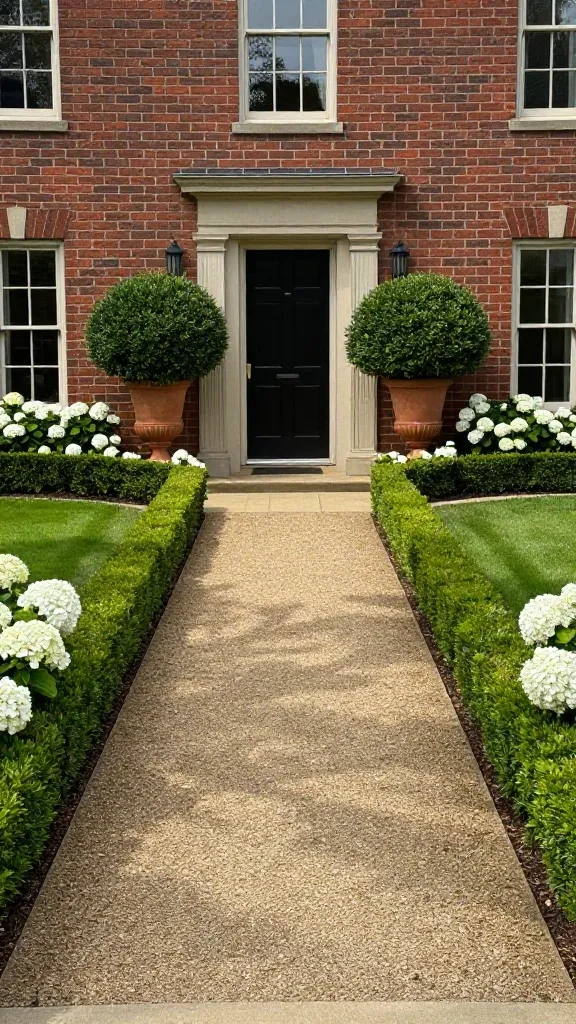
Imagine walking up to a house where two identical Boxwood shrubs sit in matching stone planters on either side of the front door. This mirrored look creates an immediate sense of order and makes even a small cottage feel like a grand estate.
| Feature | Formal Layout | Casual Layout |
|---|---|---|
| Plant Choice | Uniform evergreens | Mixed perennials |
| Maintenance | Regular shearing | Natural growth |
| Vibe | Stately and organized | Wild and relaxed |
To get this right, you need to find a clear center point like your front door or a main window. Line up low hedges or Sky Pencil Hollies to guide the eye directly toward the entrance.
You should stick to a limited color palette to keep the look clean. Using white roses or lavender in perfectly straight rows keeps the design from feeling too busy or cluttered.
Sharp edges are the secret to making this style work. Use metal edging or a deep spade cut to separate your manicured grass from the mulch beds.
Layered Shrubs and Flower Beds
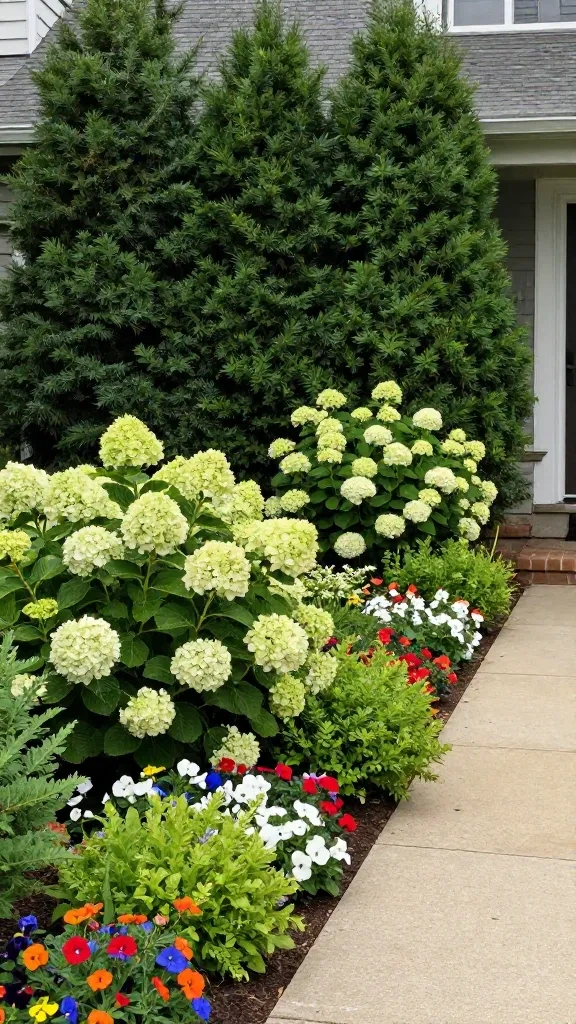
A flat landscape looks cheap and unfinished, but staggering heights creates an expensive, professional look instantly. You want to place your tallest evergreens, like boxwoods or arborvitae, right against the foundation of the house. This provides a green backdrop that stays consistent even when your perennials go dormant in the winter.
Once your back row is set, tuck medium sized flowers like hydrangeas or coneflowers directly in front of them. The contrast in leaf texture and color makes the garden feel dense and intentional. Finish the edge with low creepers like stonecrop or sweet alyssum to hide the mulch and soften the transition to the grass.
Mixing different leaf shapes is the secret to making this work without it looking messy. Pair the broad, leathery leaves of a hosta with the fine, feathery needles of a dwarf blue spruce. This visual variety keeps the eye moving and makes even a small front yard feel like a curated botanical space.
Clean Edging with Metal Borders
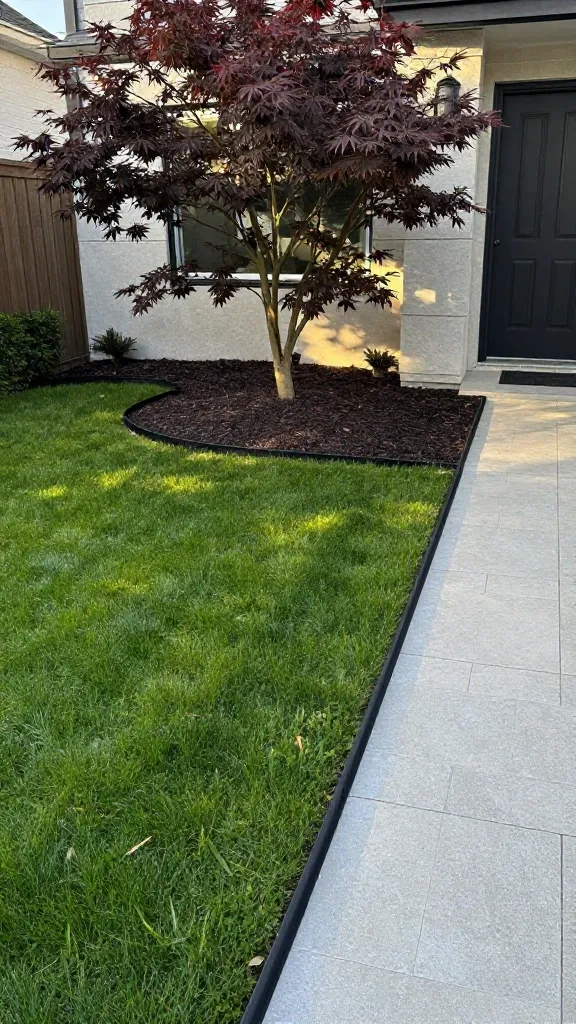
Installing steel or aluminum edging is the fastest way to stop your lawn from creeping into your flower beds. These thin strips create a crisp, permanent line that keeps mulch contained and prevents grass roots from migrating where they don’t belong.
Unlike plastic versions that sun-rot and pop out of the ground, metal borders stay flush with the soil for a minimalist look. They are flexible enough to handle tight curves around a focal tree or sharp angles along a modern walkway.
- Choose weathering steel if you want a rustic, orange-brown patina that blends with organic garden tones.
- Hammer the strips deep enough so the mower blade can pass right over the top without hitting the metal.
- Use heavy-duty stakes at every joint to prevent the frost from heaving the edging out of the dirt during winter.
You’ll spend much less time with a manual edger once these are set in place. It’s a one-time weekend project that keeps your yard looking professionally maintained for years.
Small Ornamental Tree Focal Point
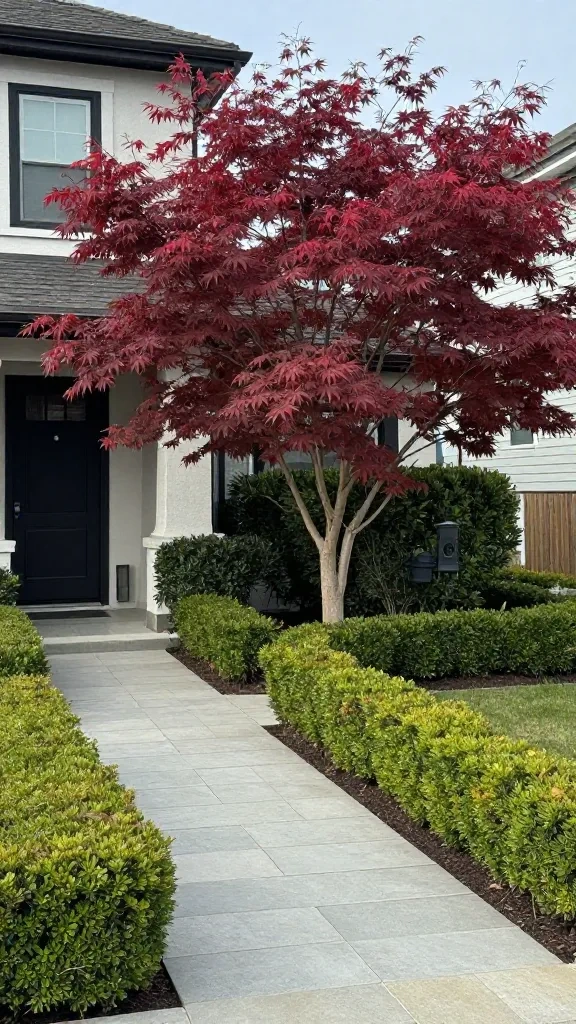
Have you ever noticed how one well placed tree can make a whole house look finished? Picking a specimen tree gives your front yard a clear center of gravity without taking up all your weekend time on maintenance.
I usually recommend something like a Japanese Maple or a Serviceberry because they stay compact and won’t buckle your sidewalk. You want a tree that offers visual interest in more than one season, like spring flowers followed by deep red leaves in the fall.
Try planting it slightly off-center from your main window rather than right in the middle of the lawn. This creates a natural frame for your home and avoids that awkward, lonely lollipop look in the yard.
Don’t forget to add a simple circle of mulch around the base to protect the trunk from your lawnmower. You can even tuck in some low-growing perennials like hostas or coral bells to make the transition to the grass look more intentional.
High-Impact Seasonal Flower Colors
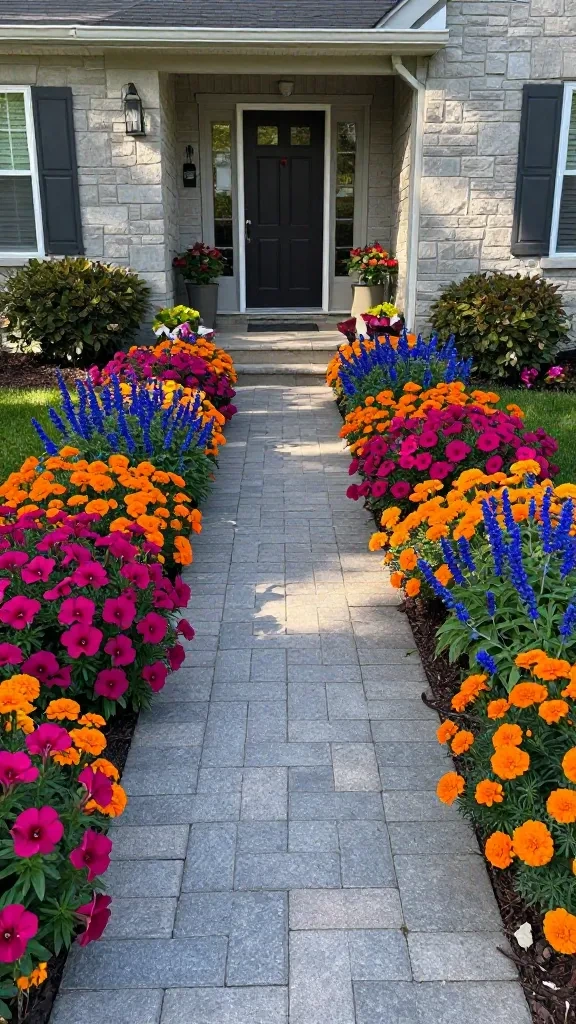
Choosing the right colors for your front yard isn’t just about picking what looks pretty at the garden center. You want to create a specific mood that changes as the weather shifts, keeping your curb appeal fresh all year long.
Focusing on saturated tones helps your home stand out from the street, especially during grey or rainy months. Think about how a bold pop of orange or deep purple hits the eye compared to washed-out pastels.
- Electric Blue Salvia provides a sharp contrast against green lawns that catches the eye from a distance.
- Deep Burgundy Mums add a heavy, sophisticated weight to your porch steps when the autumn leaves start to drop.
- Neon Yellow Coreopsis acts like a spotlight in the garden, making even small flower beds feel much brighter.
- Hot Pink Azaleas offer a high-energy wake-up call for your landscaping as soon as the spring thaw finishes.
The trick is to group these high-impact colors in clusters of three or five plants rather than scattering them. This creates a solid block of color that looks intentional and professional rather than cluttered.
Dark Mulch for Visual Contrast
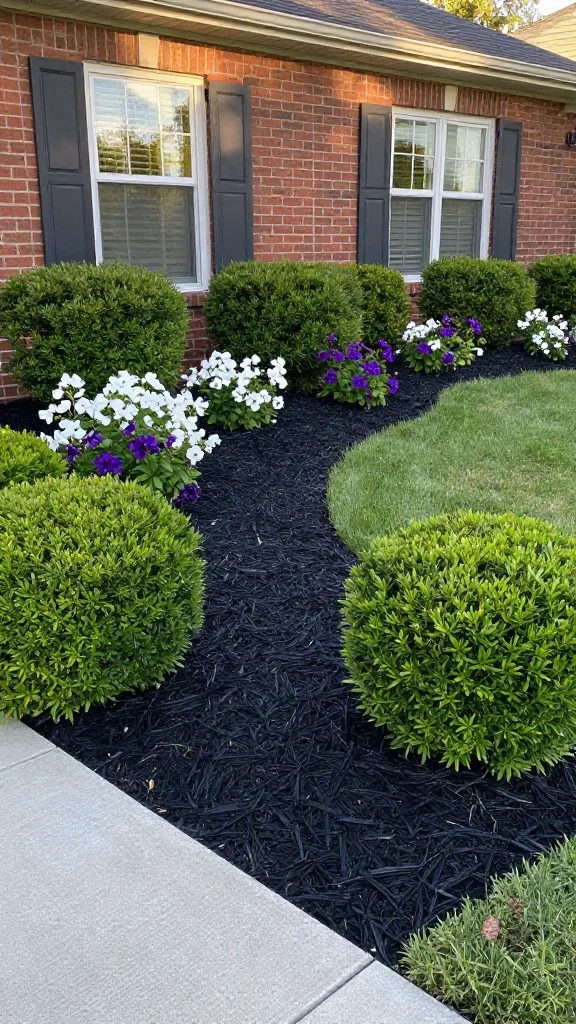
Most homeowners default to that standard red cedar mulch because it is cheap and available at every hardware store. While it covers the dirt, the bright orange tint often clashes with brick siding and makes green plants look a bit washed out.
If you switch to a deep black or dark brown hardwood mulch, the effect on your curb appeal is immediate. The dark backdrop acts like a frame for your garden, making the lime green of a hosta or the bright pink of a knockout rose pop against the soil.
I always recommend the dark brown triple-ground variety over the jet black dyed stuff. It looks more natural as it breaks down and won’t stain your concrete driveway when it rains. You get that high-end, manicured look without the fake, painted appearance of cheaper alternatives.
Planting Local Native Species
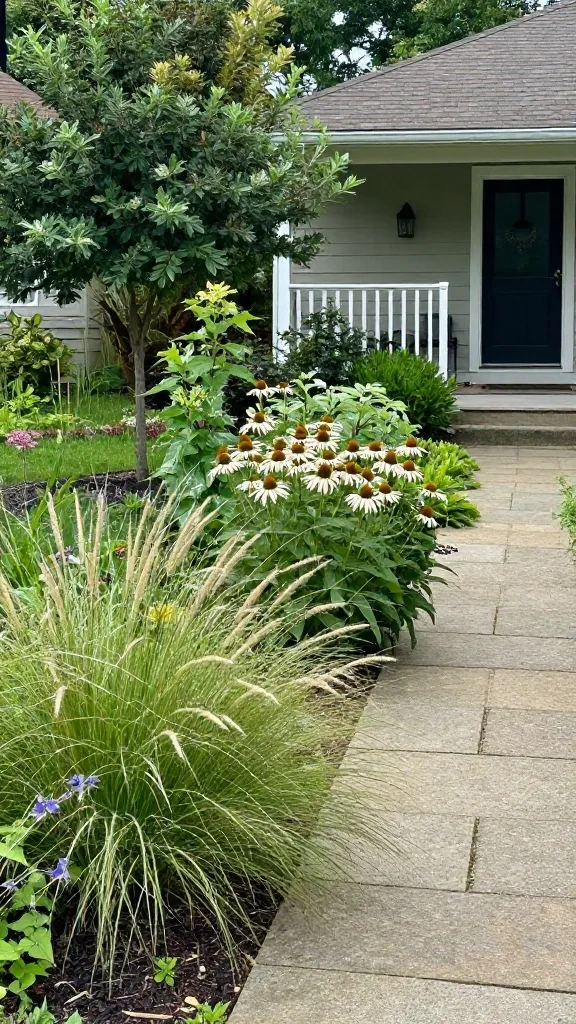
Stop fighting against your local climate by trying to keep fussy exotic plants alive. When you choose native species, you’re picking plants that actually want to be in your yard because they’ve evolved to thrive in your specific soil and weather patterns.
This approach saves you a massive amount of time on maintenance and reduces your water bill. You won’t need to dump chemical fertilizers or gallons of water on a plant that is already adapted to your region’s natural rainfall and nutrient levels.
Try looking for Milkweed if you want to help monarch butterflies or Coneflowers for a hardy splash of color. You can layer these in your front beds by putting taller shrubs like Serviceberry in the back and low growers like Wild Ginger as groundcover near the sidewalk.
Low Water Xeriscape Rock Garden
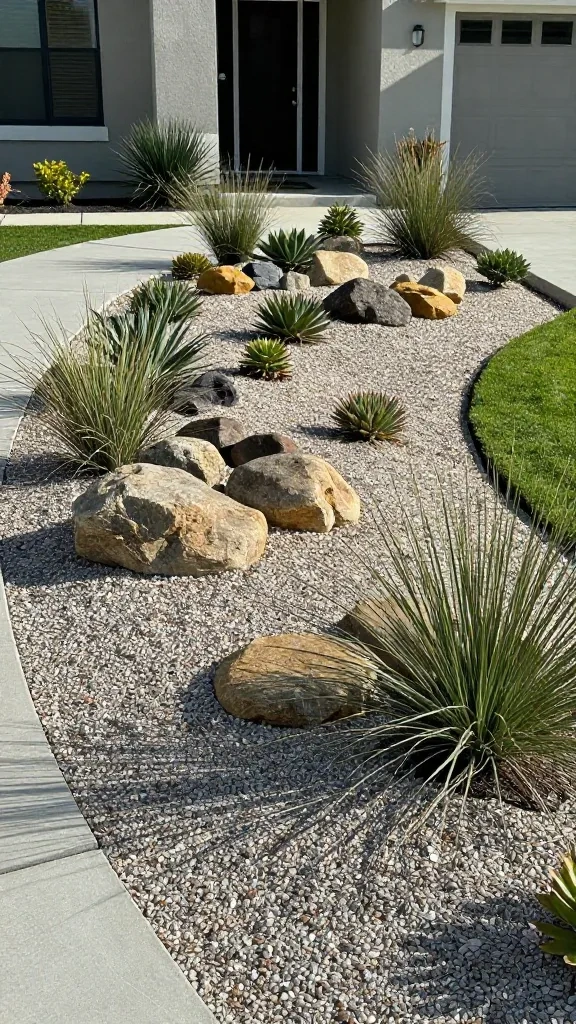
| Feature | Traditional Turf | Xeriscape Rock Garden |
|---|---|---|
| Weekly Effort | Mowing and weeding | Occasional leaf blowing |
| Water Needs | Daily irrigation | Monthly deep soak |
| Visual Appeal | Flat green carpet | Textured layers and colors |
Imagine coming home on a hot July afternoon and seeing your neighbors struggling with heavy hoses while your yard looks perfectly cool. You can achieve this by swapping thirsty grass for Mexican beach pebbles and decomposed granite.
The trick is to group drought-hardy plants like Blue Glow agave or red yucca in clusters to create natural focal points. These plants thrive in the heat and actually prefer the drainage that a rocky base provides.
You’ll save a fortune on your water bill while adding serious curb appeal through varied textures. Just make sure to lay down a heavy duty weed barrier before you pour the stones to keep maintenance at zero.
Tiered Retaining Wall Garden Beds

Sloped yards are usually a massive headache for homeowners, but tiered retaining walls actually turn that awkward incline into your best feature. By breaking up a steep hill into two or three flat levels, you stop soil erosion and create distinct planting zones that look intentional. It’s much easier to maintain a series of flat beds than it is to haul a lawnmower up a slippery grass hill.
You can mix materials like rough-cut limestone or interlocking concrete blocks to match your home’s exterior. Try planting trailing rosemary or creeping phlox on the edges so they spill over the sides to soften the hard lines. This setup lets you put thirsty hydrangeas on the bottom level where water naturally settles, while keeping drought-tolerant succulents in the well-drained upper tiers.
Groundcover Instead of Traditional Lawn
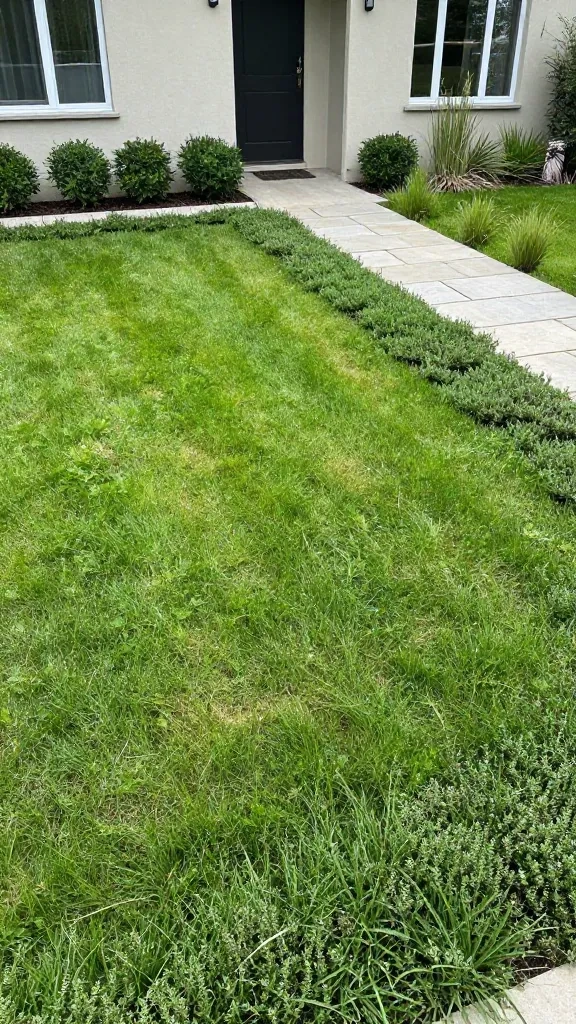
Ditching your grass for low growing groundcover saves you from the weekly chore of mowing and heavy watering. You can replace that thirsty turf with creeping thyme or clover to get a lush look that handles foot traffic without the maintenance.
These plants spread horizontally to choke out weeds and keep the soil cool during hot summer months. It is a smart move if you have tricky slopes or shaded spots where traditional grass always seems to struggle and turn brown.
- Plant Creeping Thyme in sunny areas for a fragrant carpet that produces tiny purple flowers in the spring.
- Use Kurapia if you want a drought tolerant option that stays green year round with very little water.
- Try Microclover mixed with existing grass to naturally add nitrogen to the soil and reduce the need for chemical fertilizers.
You will spend way less time pushing a mower and more time actually enjoying a front yard that looks unique compared to every other house on the block.
Modern Geometric Concrete Planters
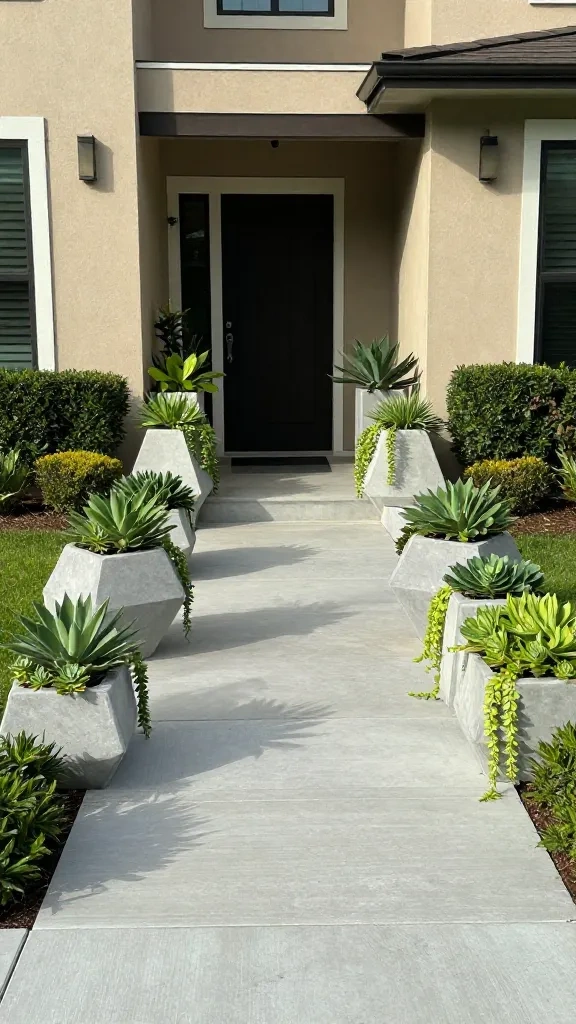
You might think concrete looks a bit cold or industrial for a home entrance. Honestly, that’s exactly why it works so well when you pair it with soft, vibrant greenery.
I’m a huge fan of using hexagonal or tiered rectangular shapes to break up the flat look of a standard walkway. You don’t need a massive budget for these either since you can often find heavy, high quality ones at local garden centers.
Try grouping three different heights together near your front door to create some visual depth. I’d recommend planting something with texture like blue fescue or a structural agave to lean into that modern aesthetic.
The weight of these planters is a hidden perk because they won’t tip over during a nasty windstorm. They also develop a beautiful natural patina over time that makes them look like they’ve always been part of your home’s architecture.
If you want a cleaner look, stick to a uniform charcoal grey or a soft white finish. It keeps the focus on your plants while giving your porch a polished, intentional feel that lasts for years.
Large Decorative Boulders and Gravel
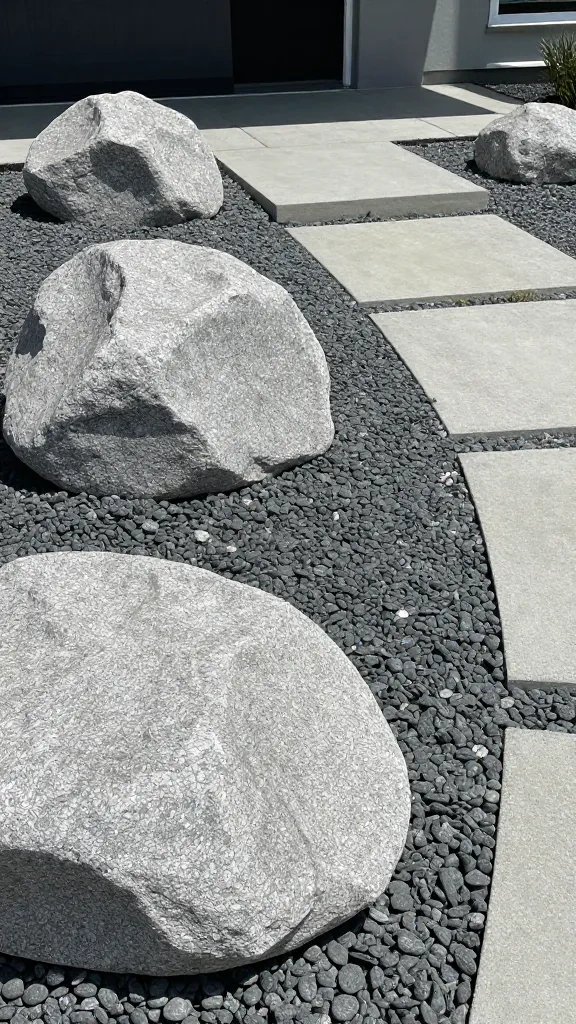
Mixing heavy stones with smaller rocks creates a natural, rugged look that stays put during heavy rain. It’s a smart way to fill space without needing to water or prune plants every weekend.
The trick is choosing the right scale for your yard. You want granite or limestone chunks that look like they’ve been there for decades rather than just dropped on top of the soil.
- Buried base depths make a massive difference because half-burying a boulder makes it look like a natural outcrop.
- Contrast your textures by pairing jagged crushed slate with smooth, rounded river rocks to create visual depth.
- Strategic placement near entryways can act as a natural barrier that keeps guests from stepping on your delicate groundcover.
- Color coordination is vital so you should match the stone hues to your home’s exterior trim or foundation.
Focus on odd numbers when grouping your larger pieces. Three stones of varying sizes usually look much more organic than a symmetrical pair.
Functional Rain Garden Installation
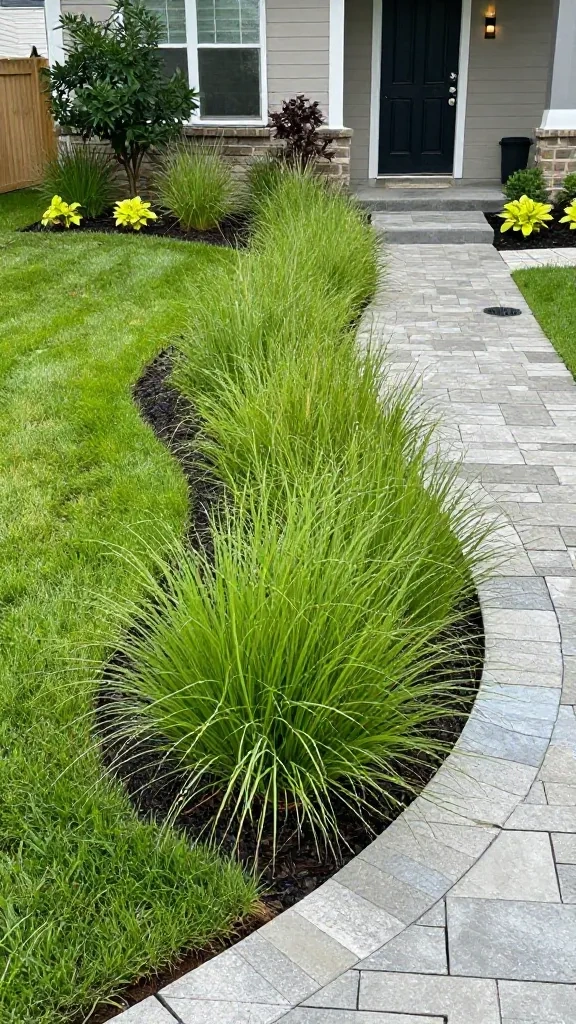
You can build a rain garden two different ways depending on your soil. Some people dig a shallow basin and fill it with native sedges and rushes that handle wet feet, which works if your soil naturally drains well.
Others prefer a more technical approach with a deep layer of gravel and specialized soil mix underneath the plants. This second method is better for heavy clay because it prevents the area from turning into a stagnant mosquito pond after a storm.
I recommend going with the engineered soil mix approach even if it costs a bit more. It ensures the water actually sinks into the ground within twenty four hours, which keeps your foundation safe and your plants healthy. Look for species like Blue Flag Iris or Cardinal Flower to add a pop of color while they filter the runoff.
Trellis or Arbor Entryway Accent
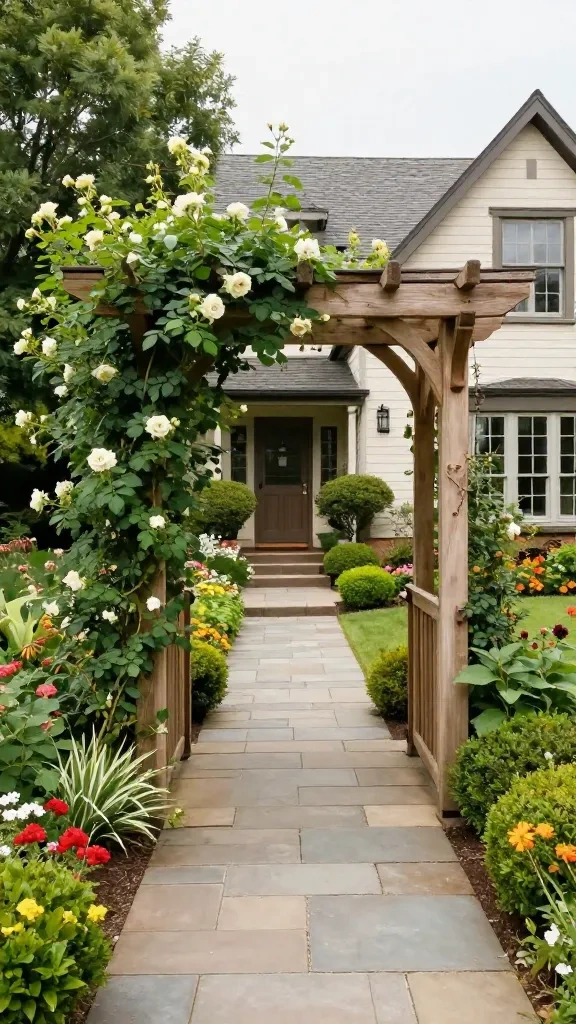
A bare front walkway often feels unfinished and exposed to the street. Adding a wooden arbor or a metal trellis right where your path begins creates a physical sense of “home” before you even reach the door.
It acts as a vertical frame for your house, drawing the eye upward and making a small yard feel much taller. You can plant climbing roses or fragrant jasmine to crawl up the sides, which adds a layer of scent as guests walk through.
If you prefer a modern look, try a minimalist black steel frame with clean lines. For a more traditional cottage vibe, a white picket arbor wrapped in clematis works perfectly. It’s a simple weekend project that adds immediate curb appeal without requiring a massive renovation.
Dramatic Front Door Container Gardens

Imagine walking up to a house where two oversized black urns overflow with neon green sweet potato vines and deep purple fountain grass. This kind of scale grabs your attention immediately and makes a standard entryway feel like a custom estate.
| Container Type | Best Plant Pairing | Visual Effect |
|---|---|---|
| Tall Glazed Ceramic | Boxwood and Ivy | Classic and Formal |
| Weathered Steel | Agave and Blue Fescue | Modern and Edgy |
| Concrete Troughs | White Hydrangeas | Soft and Welcoming |
The trick is to use the thriller, filler, and spiller method but at a much larger scale than you think you need. Choose pots that are at least two feet tall so they don’t get lost against the height of your front door.
Don’t be afraid to mix textures like prickly succulents against soft moss. Keeping the color palette simple, like all white flowers with dark green foliage, keeps the drama high without looking messy or cluttered.
Fragrant Herbs and Scented Plants
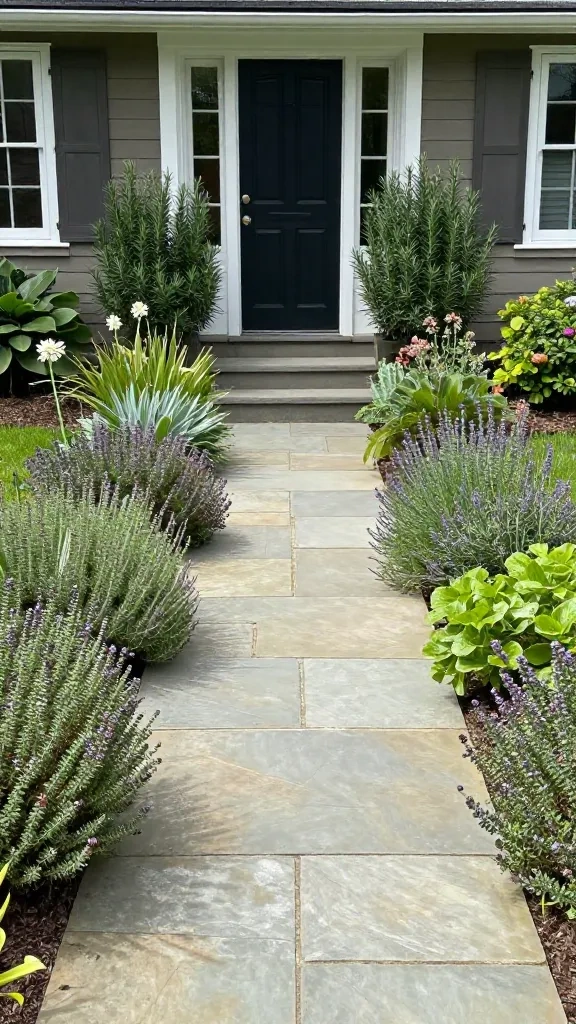
Your front yard should appeal to your nose just as much as your eyes. Planting creeping thyme between walkway stones releases a herbal punch every time someone steps on it.
It is a much better way to greet guests than a patch of silent, scentless grass. You can tuck rosemary bushes near the porch steps to catch the breeze.
These woody shrubs stay green all year and smell like a fresh kitchen. If you want something sweeter, gardenias offer a heavy perfume that carries across the entire lawn.
Lavender is a classic choice for sunny spots because it thrives on neglect. The purple spikes look beautiful against a white fence and keep the air smelling clean.
Welcoming Front Yard Seating Nook
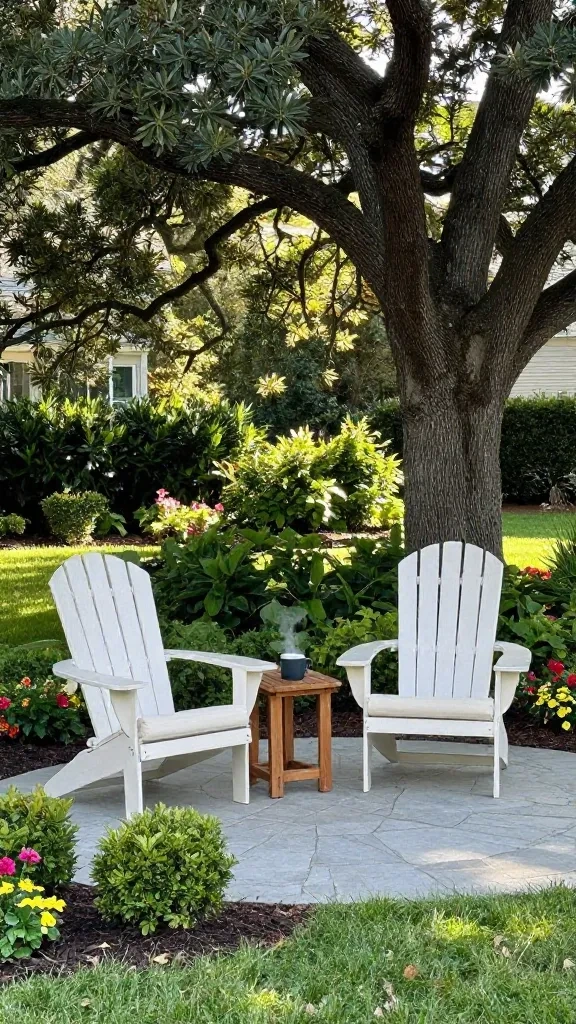
Setting up a small bistro set or a couple of Adirondack chairs right by your front door changes how you use your home. Instead of hiding in the backyard, you can sip your morning coffee while saying hello to neighbors walking their dogs.
It makes your home look lived in and friendly rather than closed off. You don’t need a massive porch to make this work, as a small patch of flagstone or a gravel circle under a tree works just as well.
- Lay down a few square feet of pea gravel to create a level base for furniture.
- Plant a mid sized shrub like a hydrangea or a boxwood hedge to provide a sense of privacy from the street.
- Choose weather resistant metal or treated wood chairs that can stay out through the rain.
- Add a small ceramic side table to hold your drinks or a book.
A simple seating area turns a boring patch of grass into a functional spot where you’ll actually want to spend your Saturday mornings.
Pathway and Accent Spot Lighting
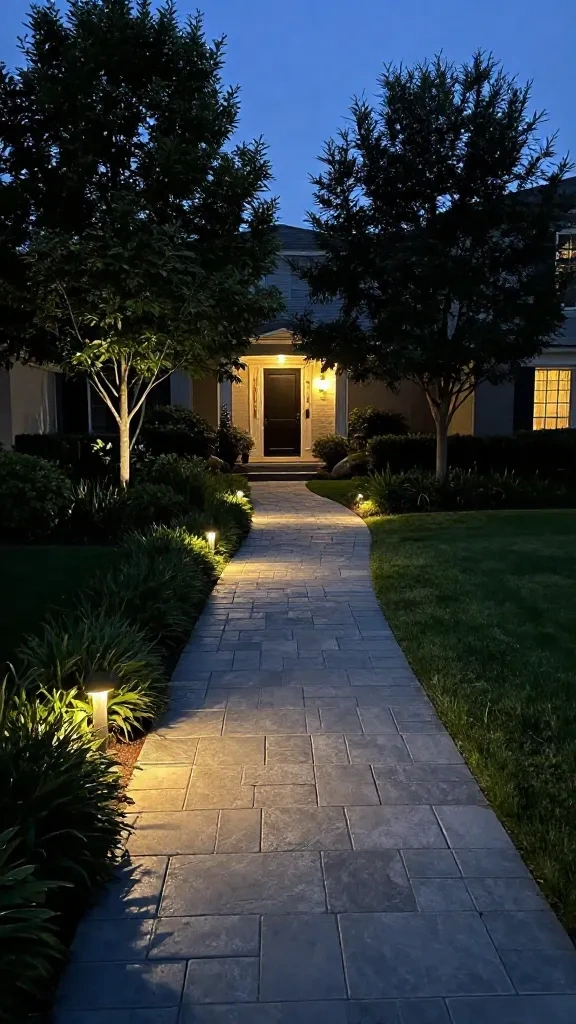
You really don’t want people tripping on your front walk after the sun goes down. Adding low voltage LED path lights is probably the easiest way to make your house look high end without spending a fortune on a full renovation.
I usually tell people to stagger the lights on alternating sides of the walkway. If you line them up perfectly like a runway, it looks a bit too stiff and artificial. Aim for a soft glow that hits the ground rather than pointing bulbs directly at your eyes.
For your favorite trees or architectural features, try using accent spot lights hidden in the mulch. These fixtures should point upward to catch the texture of the bark or the peaks of your roofline. It creates depth that you just can’t get with a single porch light.
Brass or copper fixtures are worth the extra money because they won’t rust or crack like the cheap plastic ones from big box stores. They develop a nice patina over time that blends into the garden beds. Just make sure you grab a transformer with a built in timer so you don’t have to flip a switch every night.
Illuminated House Number Display
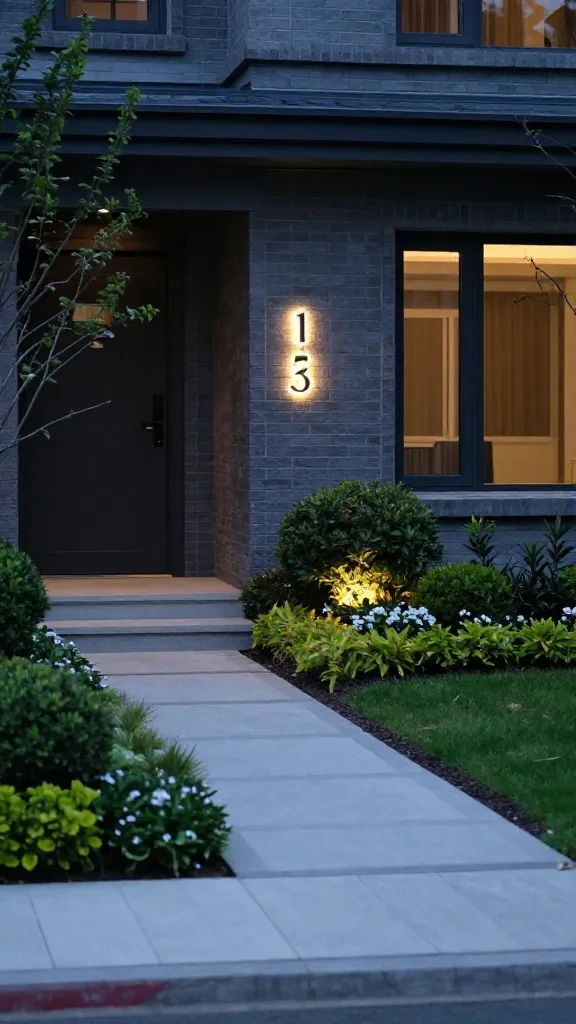
Most people forget that their house address disappears the moment the sun goes down. Swapping out those flat metal stickers for a backlit LED display makes your home much easier for delivery drivers and guests to find at night.
The real value lies in the modern aesthetic it brings to your entryway. These fixtures act as a small piece of architectural lighting that fills that awkward dark gap on your siding or brickwork.
- Choose a warm white 3000K LED bulb to avoid that harsh, blue hospital glow.
- Install a light sensitive dusk to dawn sensor so you never have to remember to flip the switch.
- Pick a font with clean lines like Helvetica or Montserrat to ensure it’s readable from the street.
- Mount the unit at eye level near your front door or on a low landscape wall for the best visibility.
You can find solar powered versions if you don’t want to mess with electrical wiring. Just make sure the solar panel gets at least six hours of direct sun to keep the numbers glowing through the morning.
With these twenty front yard landscaping ideas, you have plenty of ways to make your home look better from the street. Whether you want to fix up your garden beds or add a new path, small changes go a long way. Pick one or two projects that fit your budget and start working on your yard this weekend.