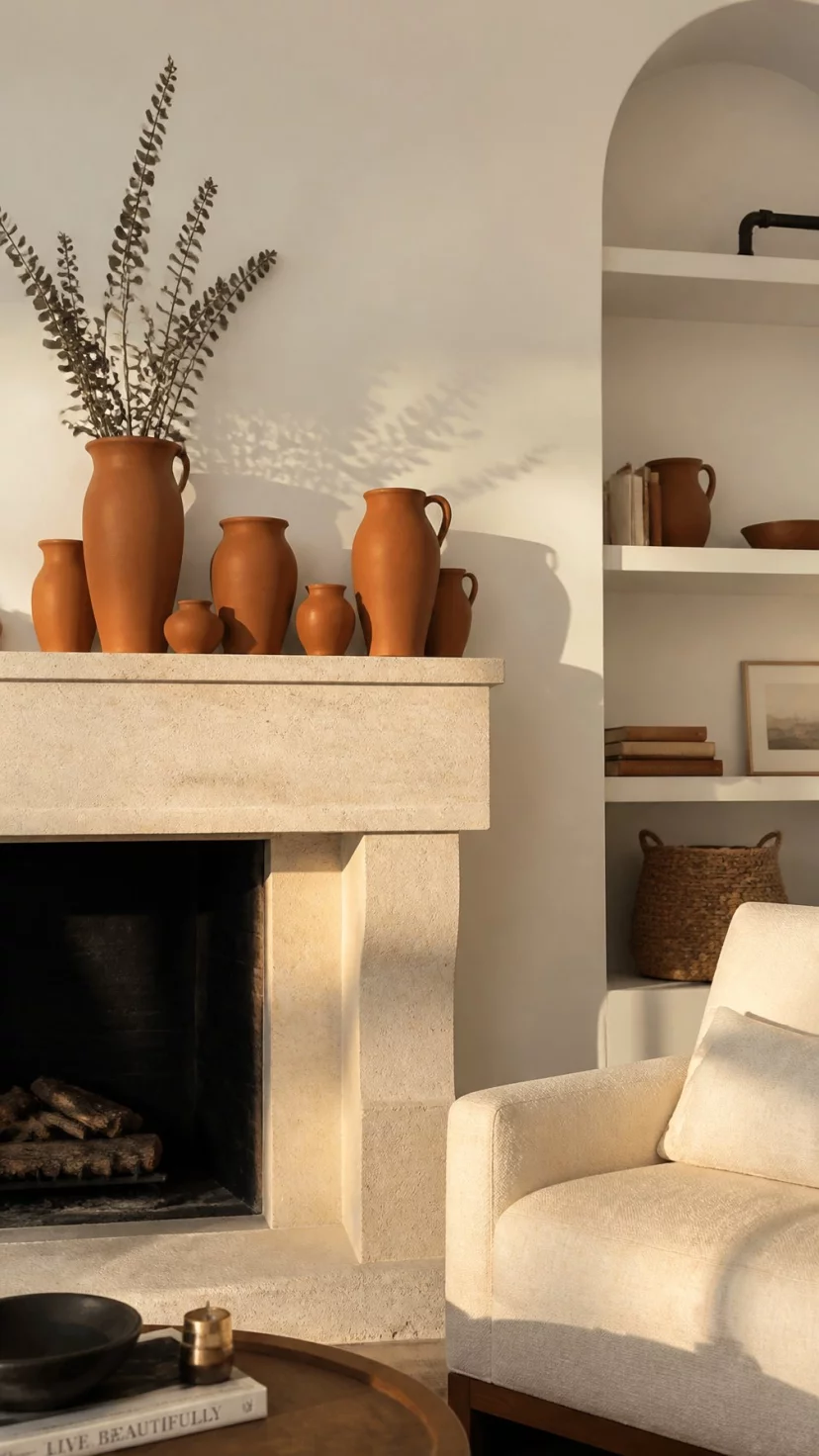
How to Make Your Living Room Look Bigger?

You probably think your living room feels like a cramped elevator. High property prices mean we live in boxes now. Stop worrying about knocking down walls because you can trick your eyes using simple design logic and a little bit of magic.
Choose the right furniture scale

Most people buy a massive sofa that eats the entire floor. Big furniture makes a small room feel like a storage unit. You need to pick pieces that fit the actual dimensions of your space.
Leggy furniture helps a lot. If you can see the floor underneath your chair or sofa, the room feels more open. Solid blocks of furniture stop your eyes and create a visual wall which makes things feel tight.
The power of low profiles
Low furniture creates a sense of height. When you keep your seating close to the ground, you leave more space between the cushions and the ceiling. This vertical gap creates an airy atmosphere that fools everyone into thinking the room is taller.
You should also avoid heavy armchairs with huge puffed out sides. Slim silhouettes take up less physical space. They also leave more room for you to actually walk without bruising your shins every five minutes.
Use light colors and high contrast
Dark colors absorb light and make walls feel like they are closing in on you. Light colors reflect light and make the boundaries of a room disappear. I suggest using whites, creams, or light grays for your main surfaces.
Wait, do not make everything one single shade of eggshell. That is boring and looks like a hospital. You need a bit of contrast to give the room some depth and character.
Painting the trim
Paint your wall trim and moldings in a lighter color than the walls. This makes the walls look like they sit further back. It is a cheap trick that works every time you use it.
If you feel brave, paint the ceiling a very bright white. This draws the eye upward and gives the illusion of a grander space. Most people ignore the ceiling, but it is basically a fifth wall that you are wasting.
Master the art of mirror placement
Mirrors are basically windows you can move around. They bounce light deep into the dark corners of your home. A well placed mirror can make a room look twice as large as it actually is.
Do not just hang a tiny mirror on a big wall. Use a large floor mirror or a gallery of smaller ones. This creates a focal point that adds a lot of visual interest and brightness.
Reflecting the view
Place your mirror across from a window. This reflects the outside world and brings more natural light into the house. It makes the room feel like it extends into the garden or the street.
You can also use mirrored furniture like coffee tables or sideboards. These items almost disappear because they reflect the flooring and rugs around them. It is like the furniture is wearing a cloaking device.
Declutter and organize your space
Nothing kills a room faster than a mountain of random junk. If your coffee table is covered in mail and old coffee cups, the room will feel tiny. You need to embrace a more minimal lifestyle even if you love your stuff.
Keep your floors as clear as possible. The more floor space you can see, the bigger the room feels. Get some baskets or cabinets to hide your clutter away from sight.
Hidden storage solutions
Buy furniture that does two jobs at once. An ottoman with a lid holds blankets and keeps the room tidy. A coffee table with drawers is better than a simple plank of wood on legs.
Vertical storage is your best friend here. Use tall bookshelves to utilize the space near the ceiling. Just do not overfill them or they will look heavy and messy.
Smart window treatments

Heavy drapes are the enemy of small living rooms. They block the light and take up too much physical space on the walls. Thick velvet curtains belong in a castle, not your apartment.
Use sheer fabrics or blinds that let the light filter through. You want to see the shape of the window even when the curtains are closed. This maintains a connection with the outdoors.
Hang curtains high and wide
Hang your curtain rod several inches above the actual window frame. This makes the windows look much taller than they really are. It is a classic interior designer move that people always forget.
Extend the rod beyond the sides of the window too. When you open the curtains, they should barely cover the glass. This exposes the whole window and lets maximum light flood the interior.
Manage your lighting properly
One single overhead light is the worst thing you can do for a small room. It creates harsh shadows and makes the corners look dark and cramped. You need multiple light sources to fill the space evenly.
Use floor lamps, table lamps, and wall sconces to spread the glow. This draws the eye to different parts of the room. It creates layers of light that add depth and warmth.
Comparison of Lighting Types
| Light Type | Effect on Room | Best Placement |
|---|---|---|
| Ambient Light | General brightness | Ceiling or large lamps |
| Task Light | Focus on areas | Reading nooks or desks |
| Accent Light | Adds depth | Behind plants or art |
Use rugs to define areas
A rug that is too small makes the room look fragmented and tiny. You want a rug that is large enough for all the furniture legs to sit on it. This creates a cohesive “zone” that feels expansive.
Stripes are a great pattern choice for small rooms. If you run the stripes along the longest dimension of the room, it pulls the eye further. Your floor will look like it goes on forever.
Furniture arrangement hacks
Do not push all your furniture against the walls. People think this creates floor space, but it actually highlights how small the room is. Pulling the sofa out just a few inches creates breathing room.
Create clear walking paths. If you have to shuffle sideways to get to the balcony, the room is poorly arranged. Clear paths make the space feel functional and much more comfortable.
- Leave space between the sofa and the wall.
- Use transparent acrylic chairs to reduce visual weight.
- Keep the center of the room open for movement.
- Angle a chair in the corner to break up the boxy shape.
Frequently Asked Questions
What color makes a small living room look biggest?
Soft tones like off blue or light green work well because they feel like the sky or the horizon. Bright white is also a classic choice for reflecting the most light possible. Avoid muddy browns or dark reds if you want the room to feel open.
Can I have a sectional in a small living room?
Yes, you can use a sectional if you place it correctly against a corner. This can actually save more space than a sofa and two chairs. Just make sure it is not too bulky and has thin arms to keep it sleek.
Do large rugs make a room look smaller?
No, a large rug usually makes a room feel bigger by unifying the space. A small rug looks like a postage stamp and breaks the floor into small segments. Go as big as the room allows for the best result.