21 Christmas Garland Ideas That Bring Natural Warmth in 2026

Good seasonal greenery should feel settled rather than stiff, and exploring Christmas garland ideas in 2026 shows how simple materials create the best atmosphere. Fresh cuttings bring winter gardens inside without needing synthetic glitz.
The most satisfying arrangements rely on foliage weight, varied needle shapes, and quiet restraint. Combining aromatic cedar with flat eucalyptus, weaving raw silk ribbons, or stringing dried orchard fruit creates rich texture without excess clutter. Proper scale and paddle wire keep every branch secure without damaging painted trim or mantel wood.
Below are 21 ideas you can adapt to your own rooms this winter, whatever the style of your home.
Layer Western Red Cedar Over Plain Pine
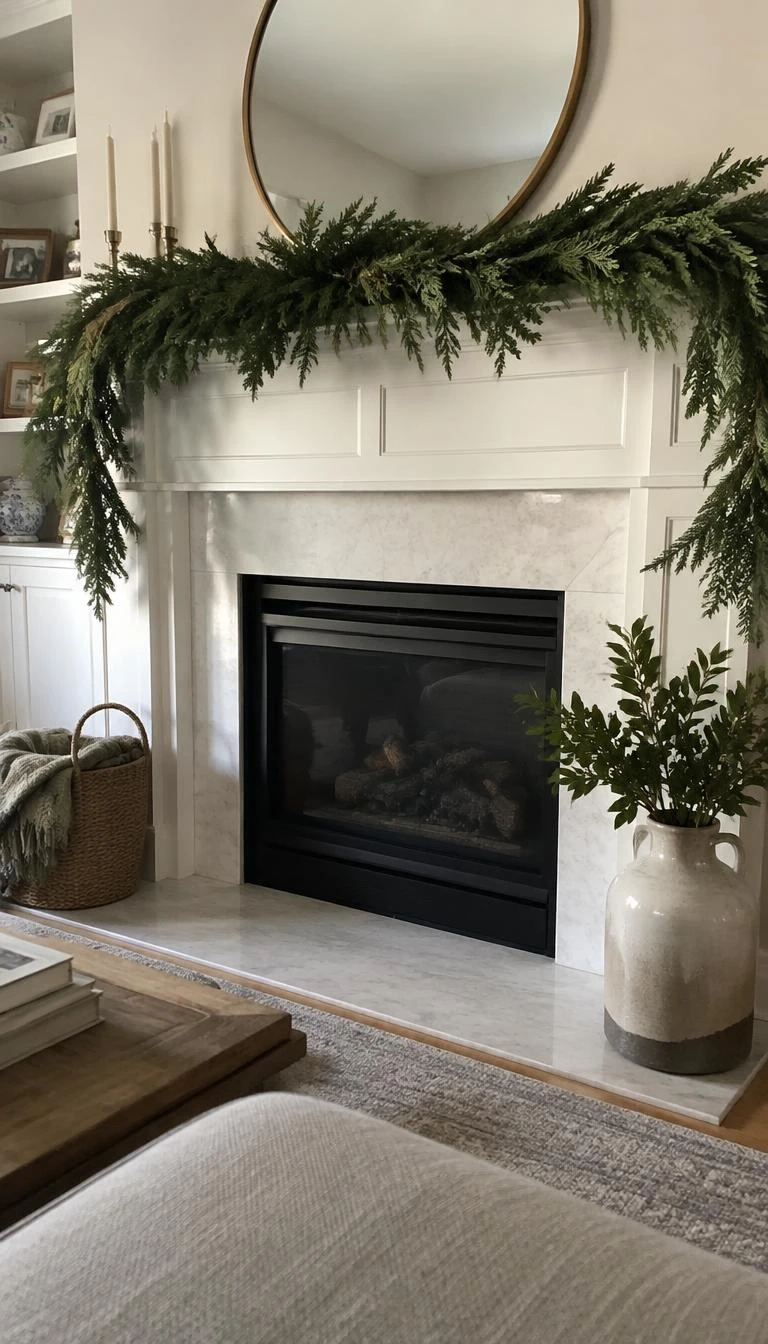
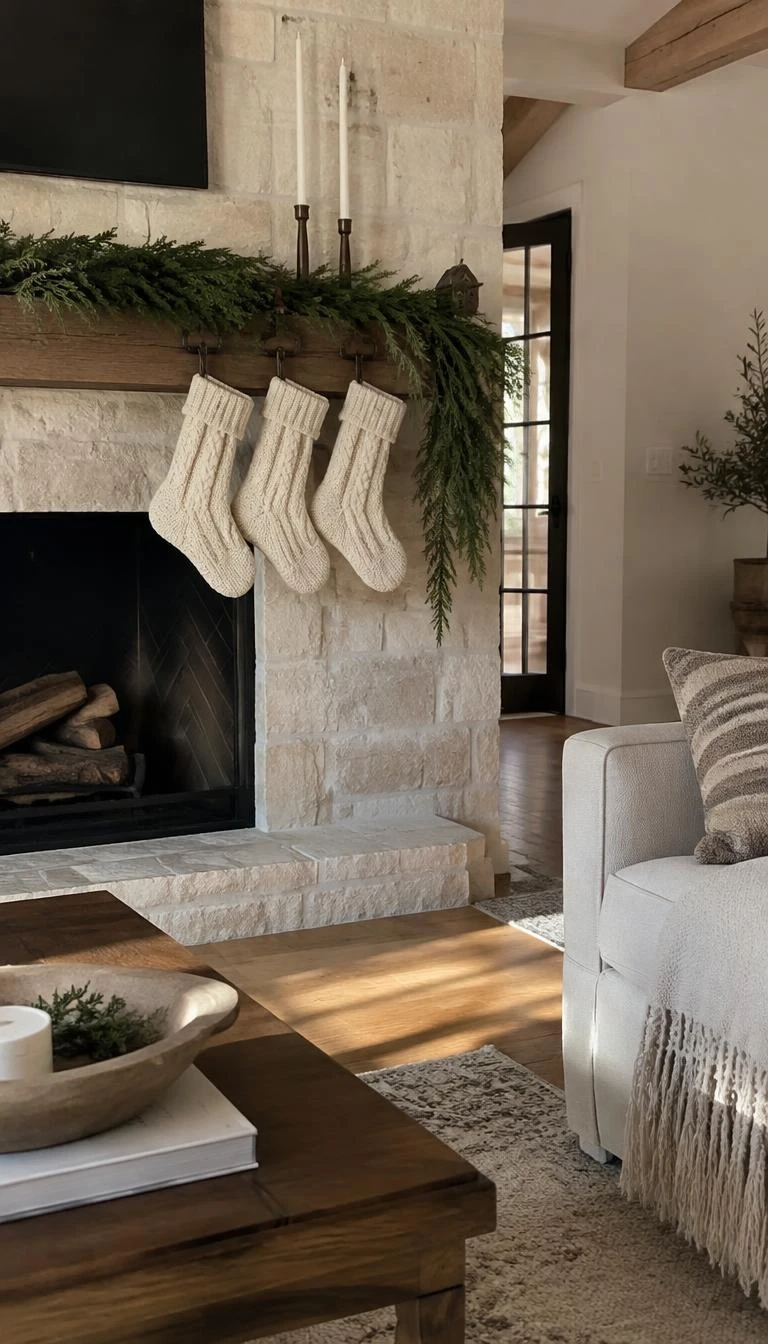
Base garlands made of white pine often look wispy on their own. Laying flat, weeping sprays of western red cedar directly over the pine foundation creates weight and soft movement.
Secure the cedar stems into the pine base using green floral wire every fourteen inches. Let the cedar tips spill four inches below the shelf edge to blur the hard wood line.
The key is avoiding tight symmetry. Allow one side to drop slightly lower than the other. This relaxed arrangement fits older brick fireplaces and rustic plaster surrounds especially well.
The cedar releases a light forest fragrance whenever the room warms up.
Tie Raw Silk Ribbons at Uneven Intervals
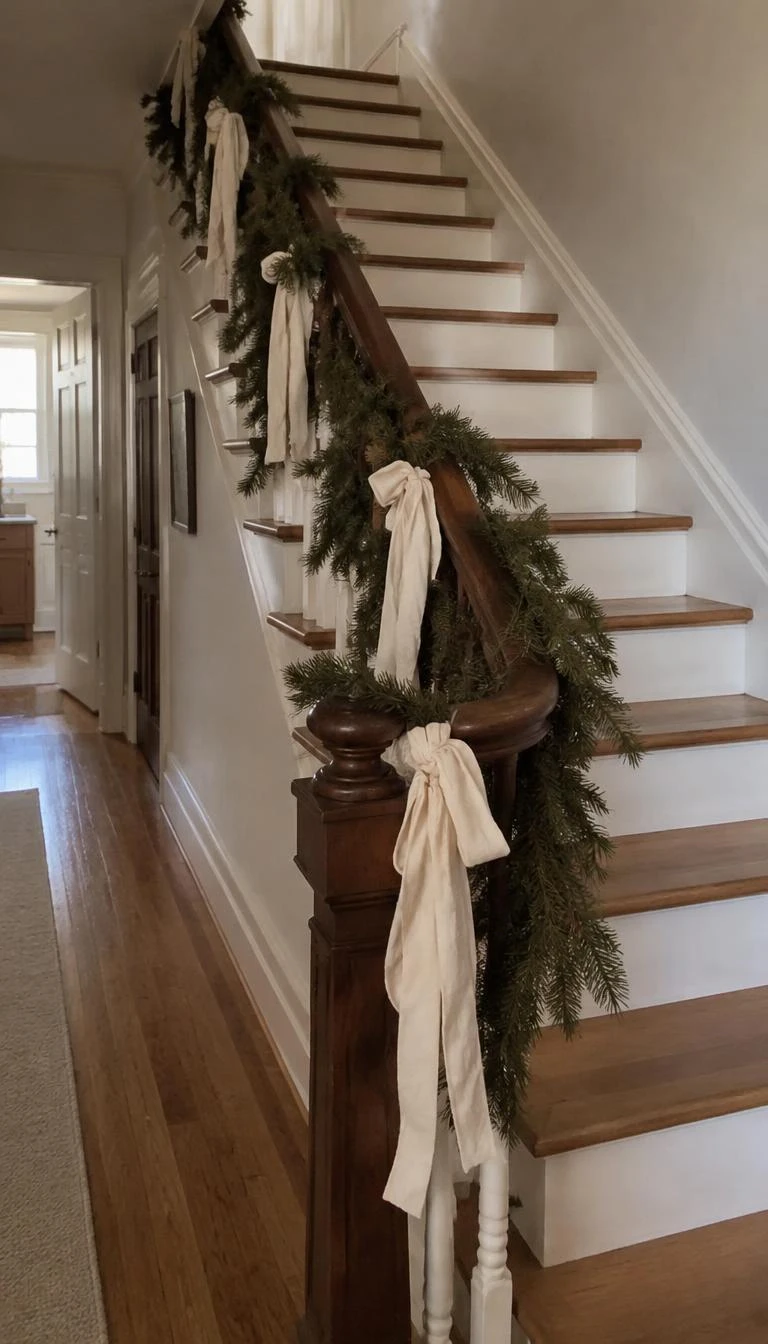
Preformed bows made of stiff wire ribbon can look dated and heavy. Loose strips of raw silk create a calmer, lighter feel along a banister or window frame.
Tear warm cream or moss green silk yardage into two inch strips so the edges fray naturally. Tie simple knot ties rather than full loops at three scattered points across the garland.
Do not space the bows evenly along the length. Uneven spacing gives the garland a collected, unstudied appearance. Tailored entryways benefit from this softer textile touch.
The ribbon ends drift gently whenever someone walks past the staircase.
String Dried Clementine Slices with Bay Leaves
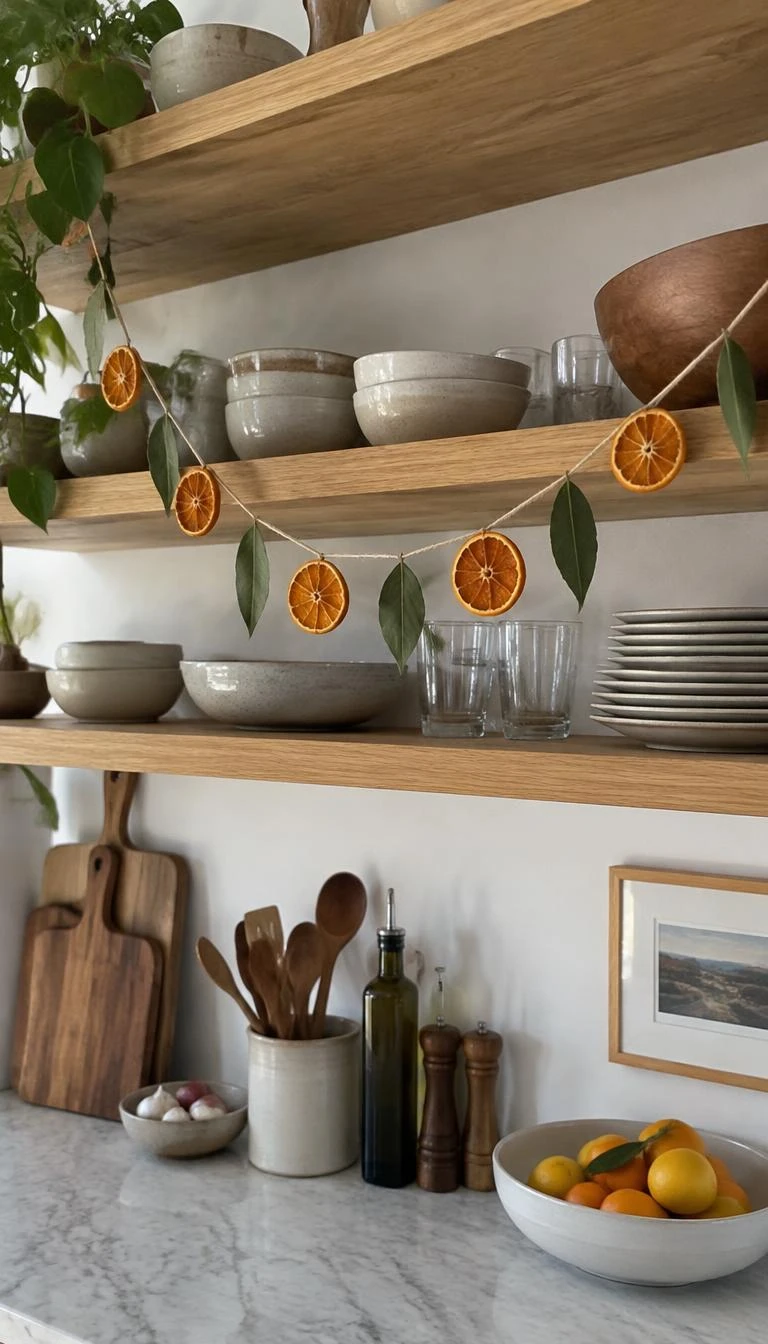
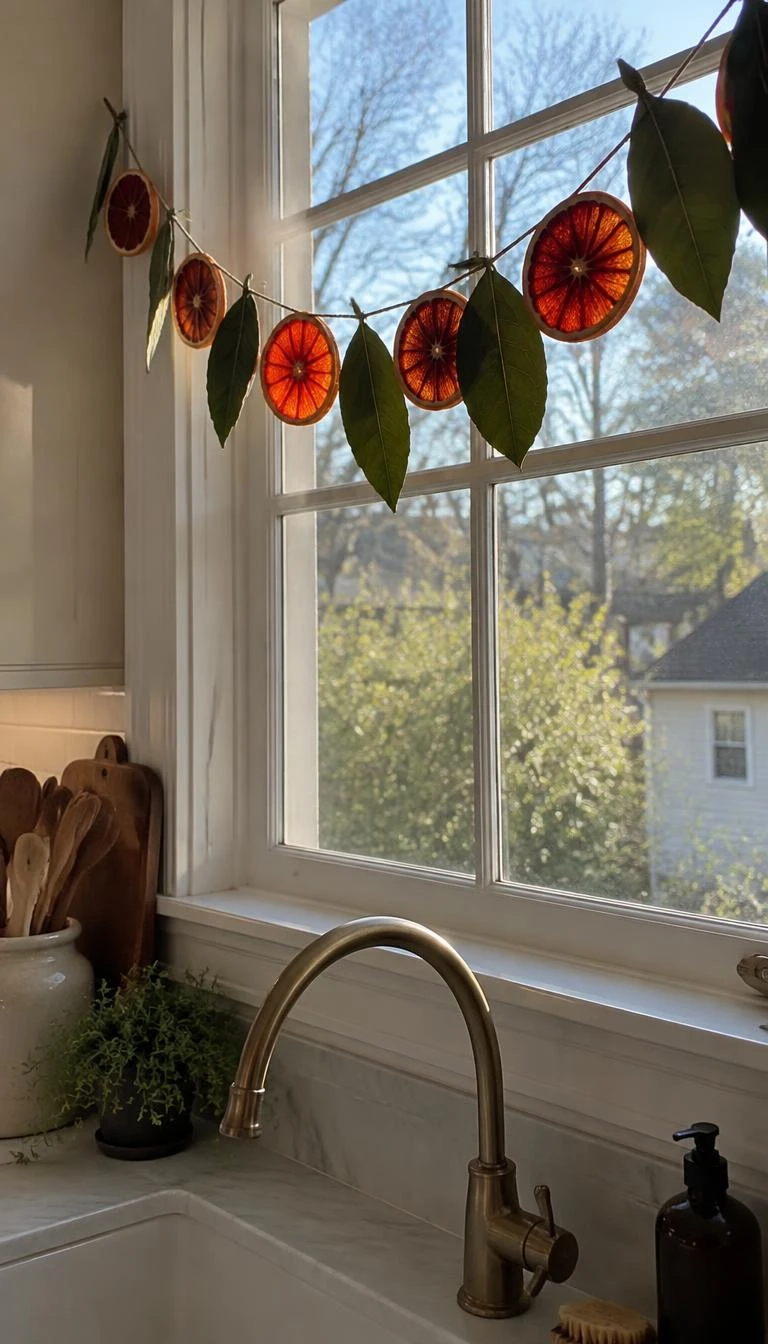
Orange citrus garlands provide warm amber tones that catch winter daylight beautifully. Alternating the fruit with fresh bay laurel leaves keeps the strand grounded and botanical.
Bake clementine slices at two hundred degrees for three hours until the flesh is translucent. Pierce each slice through the center with heavy linen cord, threading two dried bay leaves between each citrus piece.
I find that thinly sliced fruit curls too much, so slice your rounds at least one quarter inch thick. This garland works best hung over a kitchen sink or across open plate shelves.
The bay leaves dry flat and retain their dusty sage color all season.
Drape Asymmetrical Foliage Across the Fireplace Mantel
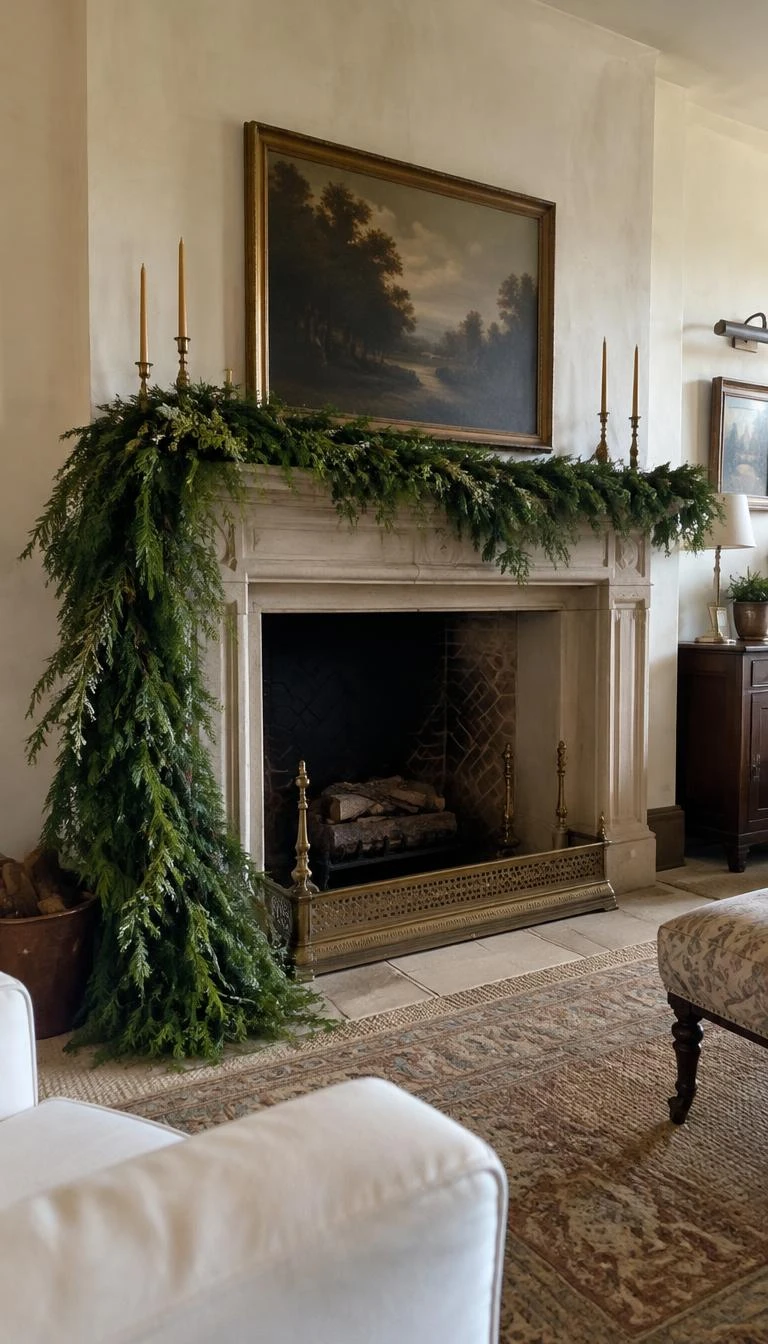
Centering a garland across a mantel often makes a living room feel overly formal. Gathering the bulk of the greenery to one corner produces a modern architectural silhouette.
Anchor five feet of dense Douglas fir on the left side of your mantel shelf using removable screw clips. Let twenty inches of green foliage spill toward the hearth, then taper the right side down to a single stem.
A frequent error is letting the heavy side pull the center loose. Weigh down the anchor point with a heavy iron taper candleholder hidden inside the branches.
The fireplace opening remains the focal point while the greenery softens the room.
Wind Warm Micro Fairy Lights Through Thick Juniper
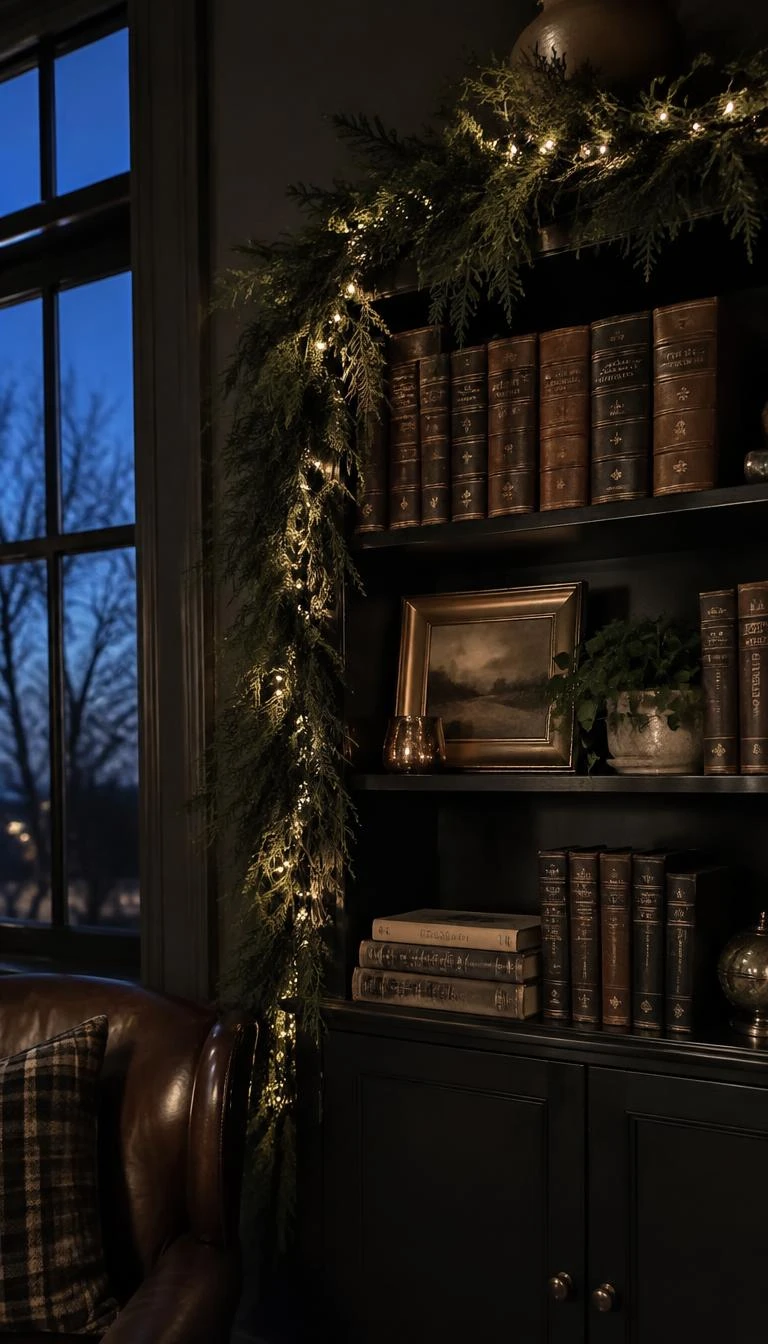
Standard green wire Christmas lights often overpower delicate evergreens. Micro fairy lights on bare copper wire disappear completely into dense juniper greenery while providing a soft glow.
Select a strand with warm white bulbs spaced two inches apart. Tuck the wire deep into the juniper branches near the main stems rather than wrapping it around the outer tips.
Never leave the glowing battery box exposed on the shelf. Slip the small pack into a hollow decorative tin behind the pine branches.
The tiny lights illuminate the silvery blue juniper berries from within the boughs.
Hang White Porcelain Bells from Thin Hemp Twine
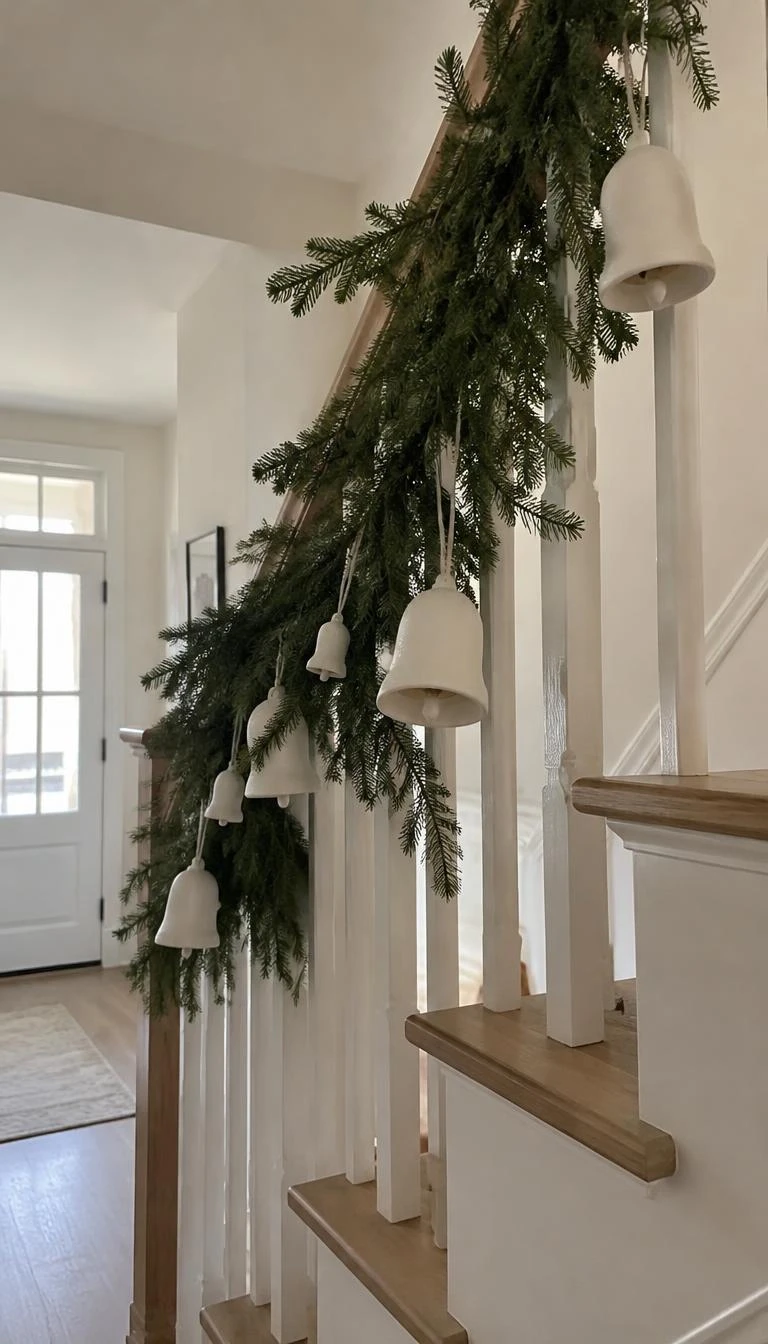
Metal jingle bells can add an intrusive brassy shine to natural branch arrangements. Matte white ceramic bells lend a clean, artisan texture that feels quiet and balanced.
Suspend individual unglazed porcelain bells from three inch lengths of thin hemp twine. Tie them directly to the undersides of fir branches so only the bells peek out from the green needles.
Keep the bell count small, using only six or seven across a nine foot strand. Less hardware lets the natural greenery remain the primary focus.
The bells produce a gentle chime when the front door opens and creates a draft.
Combine Silver Dollar Eucalyptus with Olive Branches
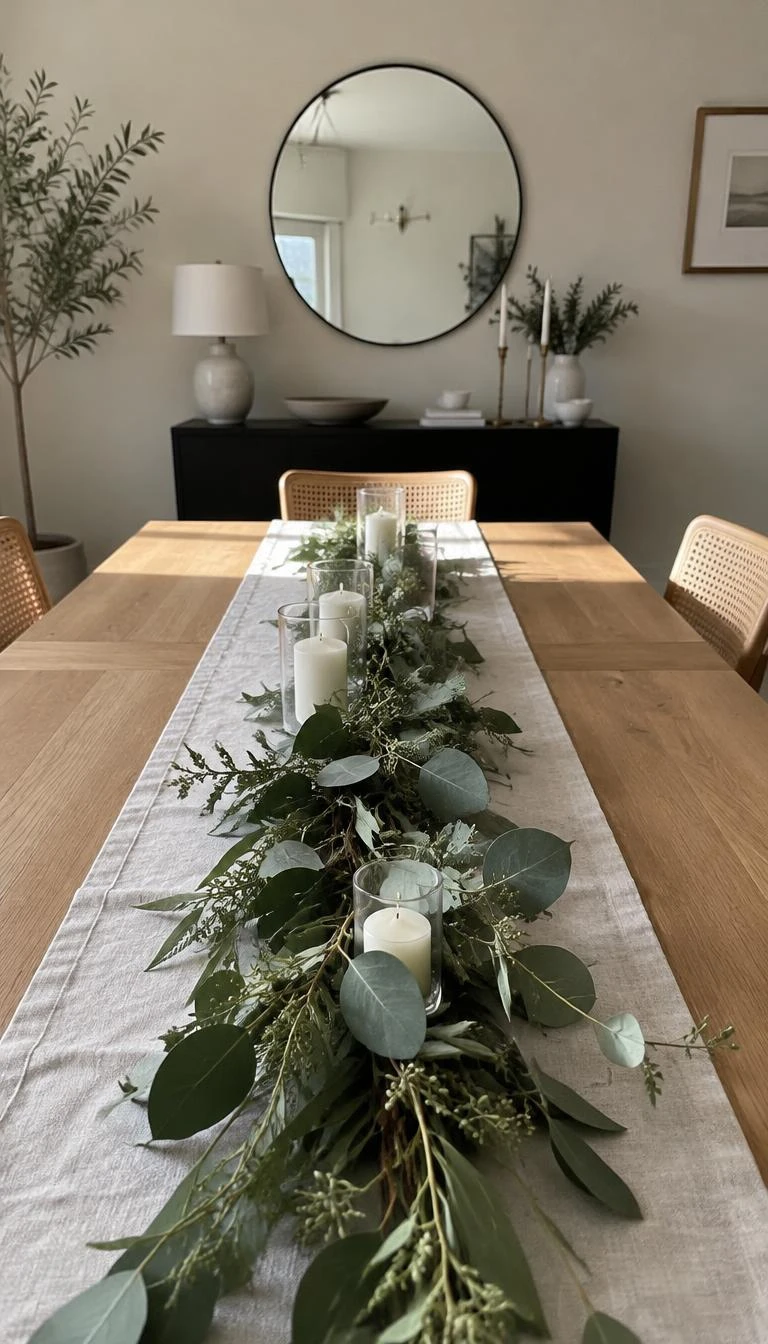
Conifers are not the only winter foliage suited for cold weather styling. Broad silver dollar eucalyptus leaves paired with slender olive branches bring silvery green tones into quiet rooms.
Bind three olive stems to two eucalyptus sprigs with green floral tape to make small bundles. Wire these bundles consecutively down a thick piece of jute rope to form a full runner.
Olive leaves can curl inward as they dehydrate over several days. Mist the garland lightly with cool water every morning to preserve the leaf shape.
The pale undersides of the olive foliage brighten darker oak dining tables.
Suspend Greenery Above the Dining Table with Velvet Cords
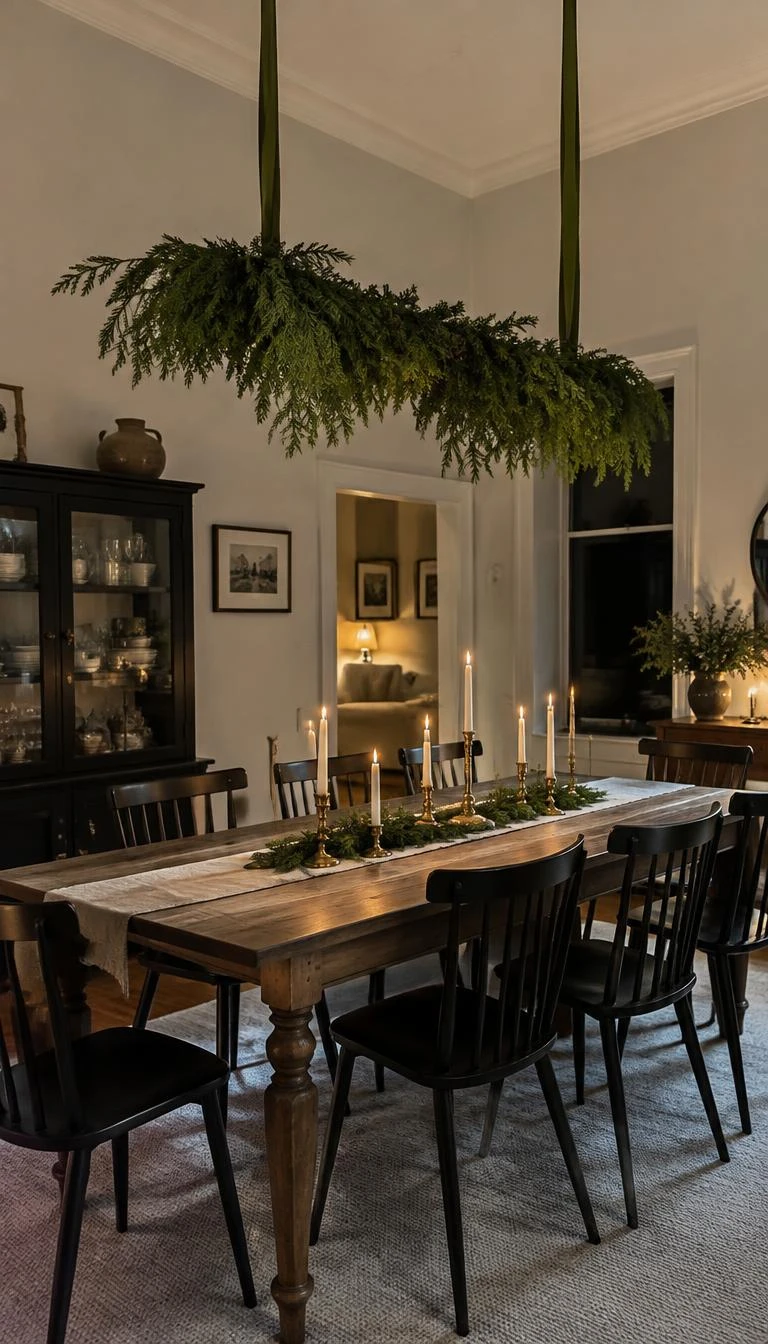
Table runners often crowd dinner plates, wine glasses, and shared serving platters. Hanging a light cedar garland overhead clears the table surface while framing the dining area.
Drill two discreet ceiling hooks directly above the table ends. Suspend a five foot birch pole using two lengths of three quarter inch olive velvet ribbon, then wire fresh cedar across the wood.
Keep the garland at least thirty inches above the tabletop so sightlines remain clear across the room. Low dining rooms with tall ceilings suit this arrangement best.
Candlelight from the table casts delicate branch shadows across the ceiling plaster.
Add Fresh Rosemary Sprigs to Heavy Fir Boughs
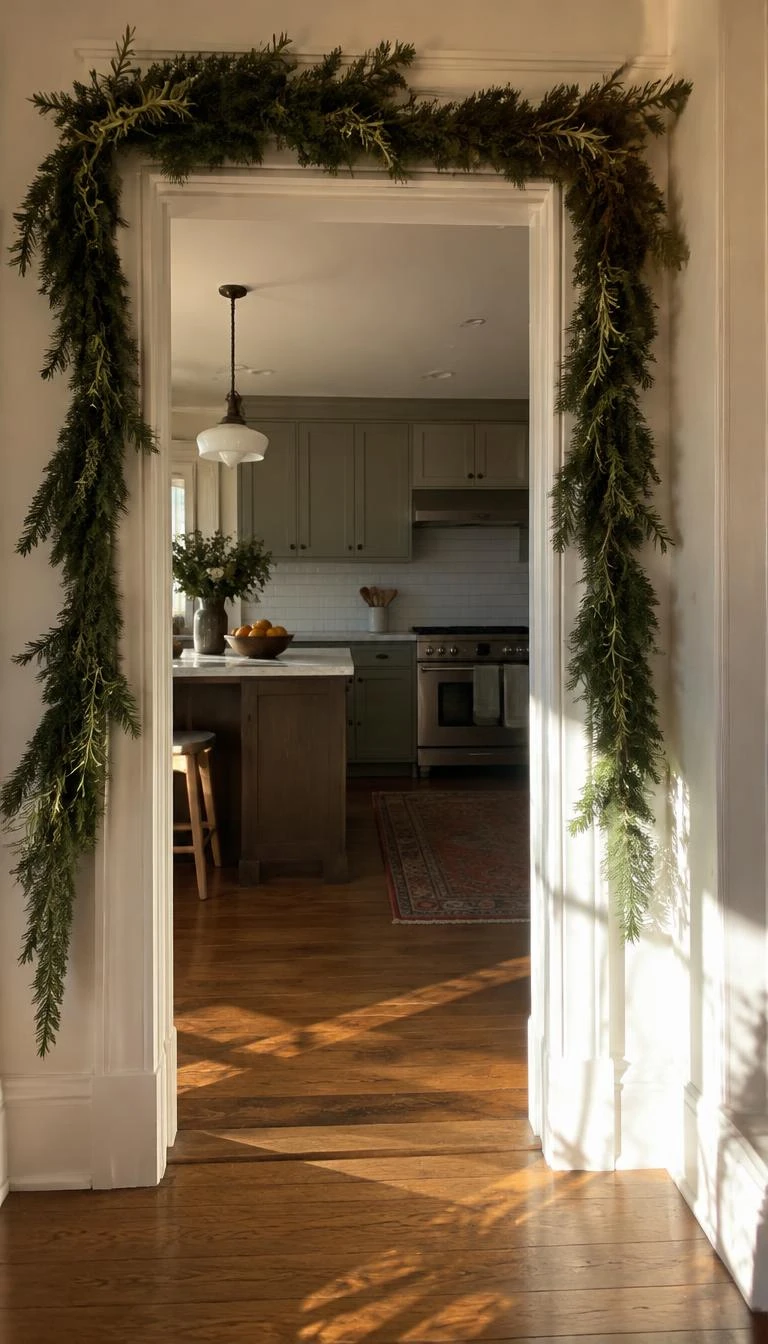
Store bought noble fir garlands can look uniform and lack natural herb perfume. Inserting upright sprigs of fresh rosemary breaks the flat texture and adds herbal fragrance.
Cut six inch rosemary stems from mature garden plants or kitchen bundles. Insert the woody ends into floral water tubes, then hide the plastic tubes inside the dense fir boughs using wire.
Placing stems in water keeps the rosemary needles from dropping onto your floor within forty eight hours. This approach is wonderful around kitchen doorframes.
Brushing against the frame releases sweet pine and rosemary oils into the air.
Thread Small Paper Lanterns Along the Banister
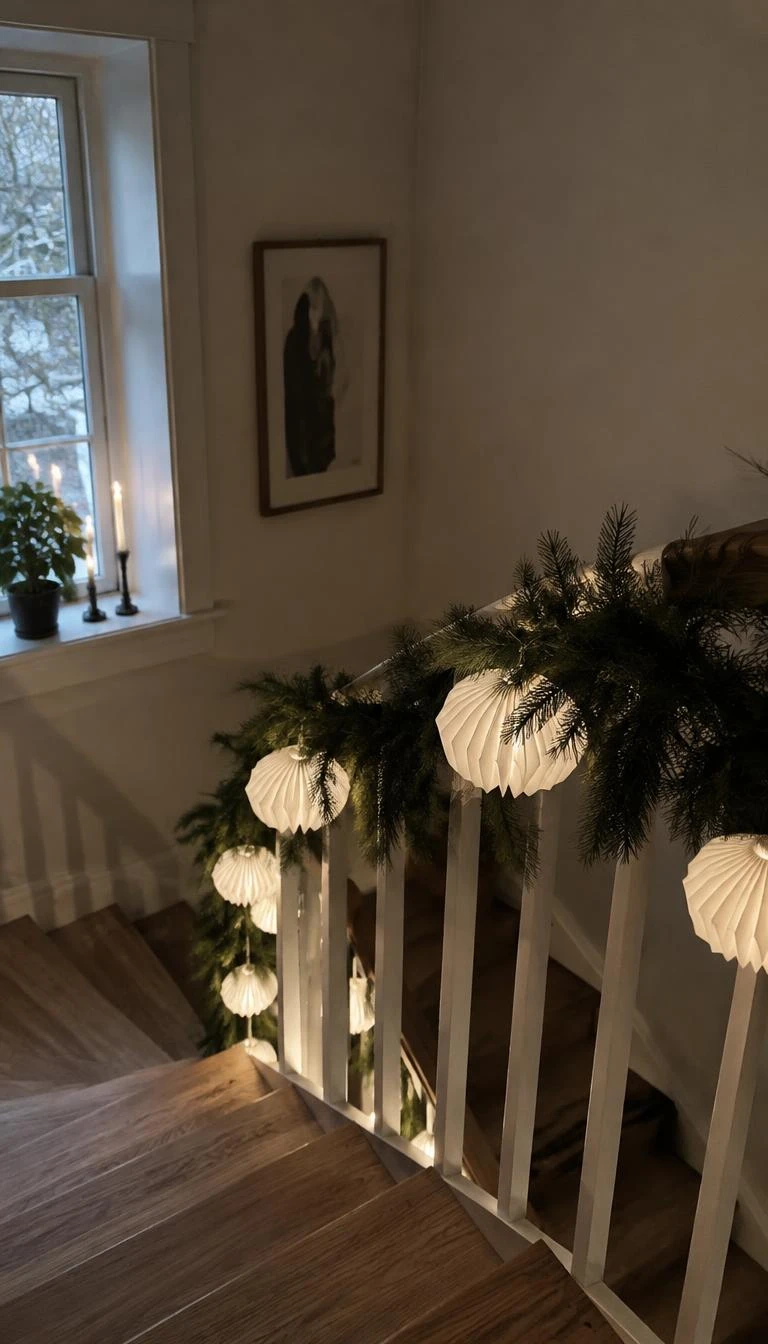
Glass ball ornaments often feel fragile and slippery on busy staircase railings. Folded white paper lanterns bring geometric interest and a Scandinavian winter atmosphere without risk of breakage.
Choose three inch accordion paper ornaments with magnetic closures in ivory and cream tones. Space eight lanterns along a twelve foot pine garland, securing them with waxed cotton cord.
Do not use bright primary colors on paper decorations. Cream paper reflects the natural wood tones of your banister much better.
The paper folds soften the dark silhouette of evergreen branches against white walls.
Tuck Whole Pomegranates and Brown Pears into Magnolia Leaves
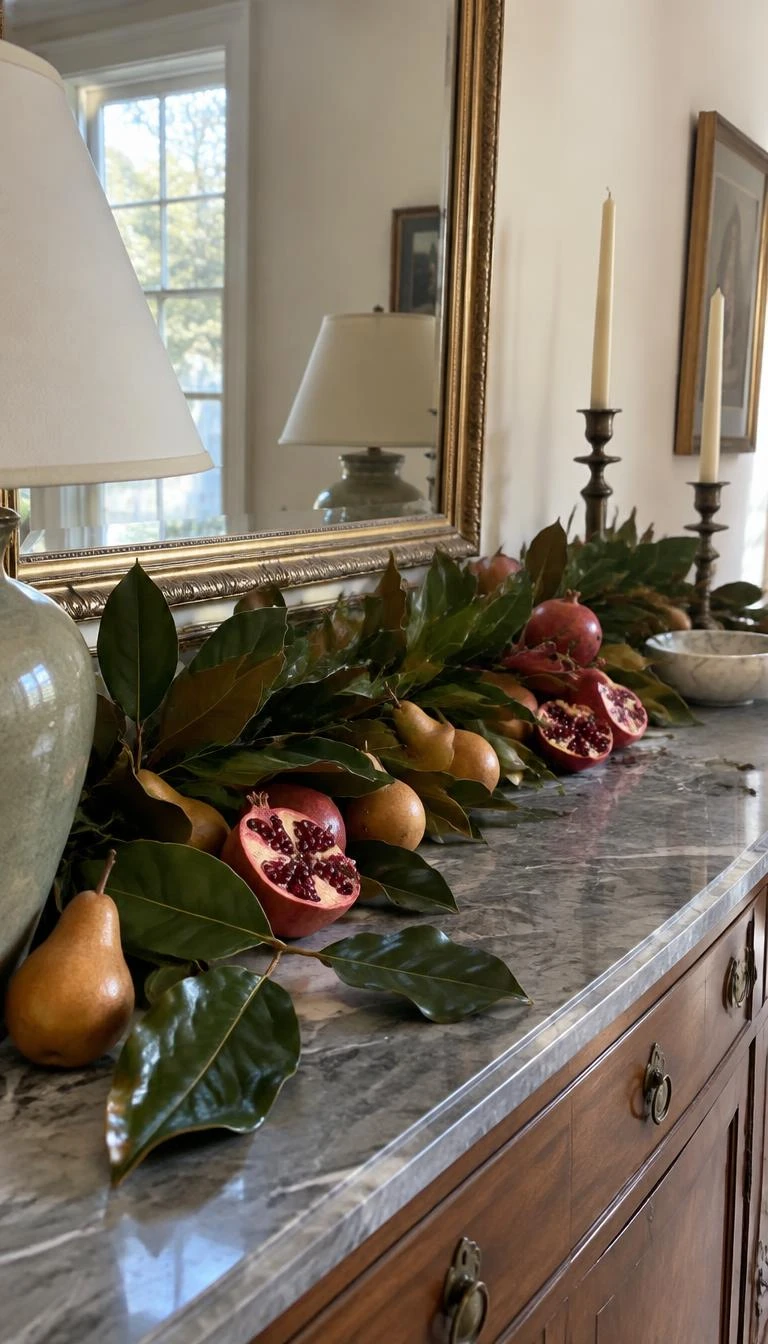
Magnolia garlands have leathery foliage with rich brown velvet undersides that pair naturally with heavy fruit. Inserting whole fruit gives the greenery an abundant still life quality.
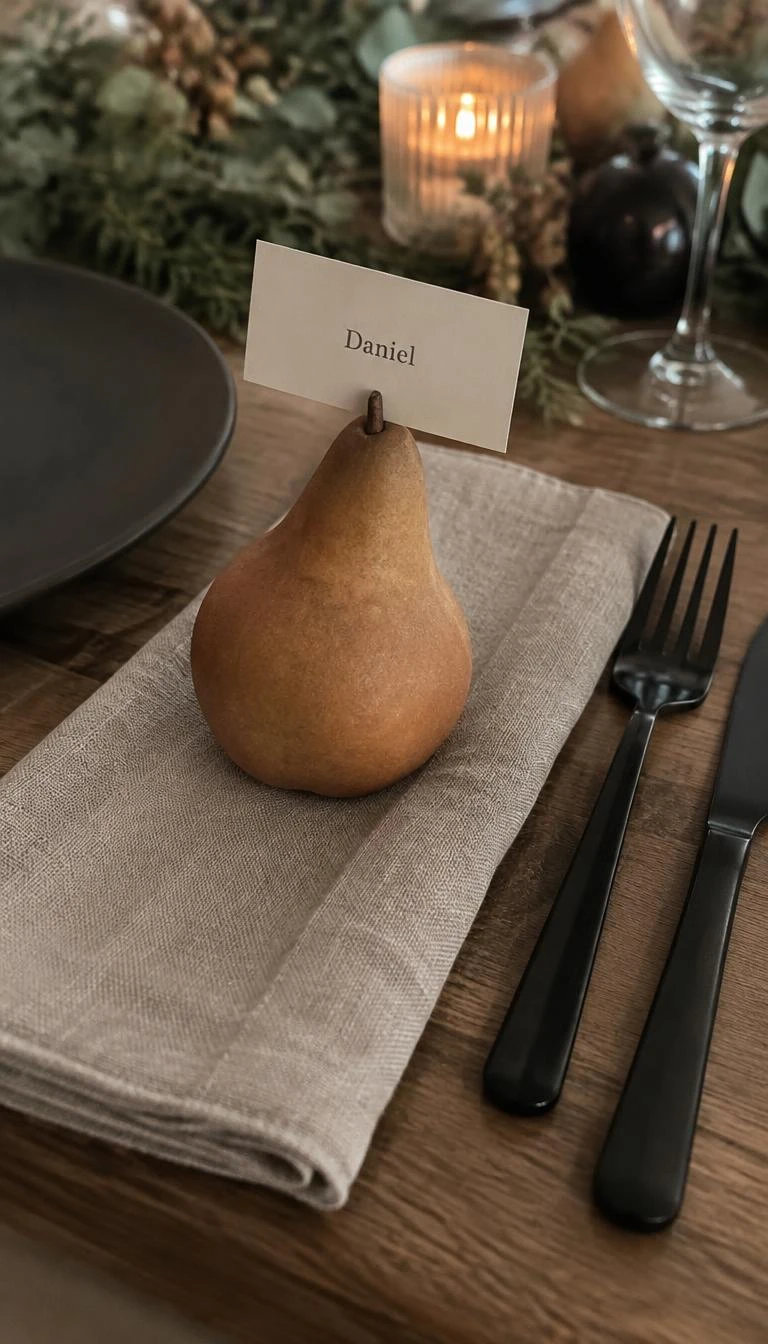
Push six inch wooden florist picks firmly into the base of small brown Bosc pears and ripe pomegranates. Anchor the pointed ends of the wooden picks into the thick twisted magnolia vine.
The main risk is using overripe fruit that softens quickly indoors. Select firm, slightly unripe fruit that will hold its shape throughout the holidays.
The copper brown undersides of the leaves echo the russet skin of the winter pears.
Weave Bleached Ruscus Through Dark Douglas Fir
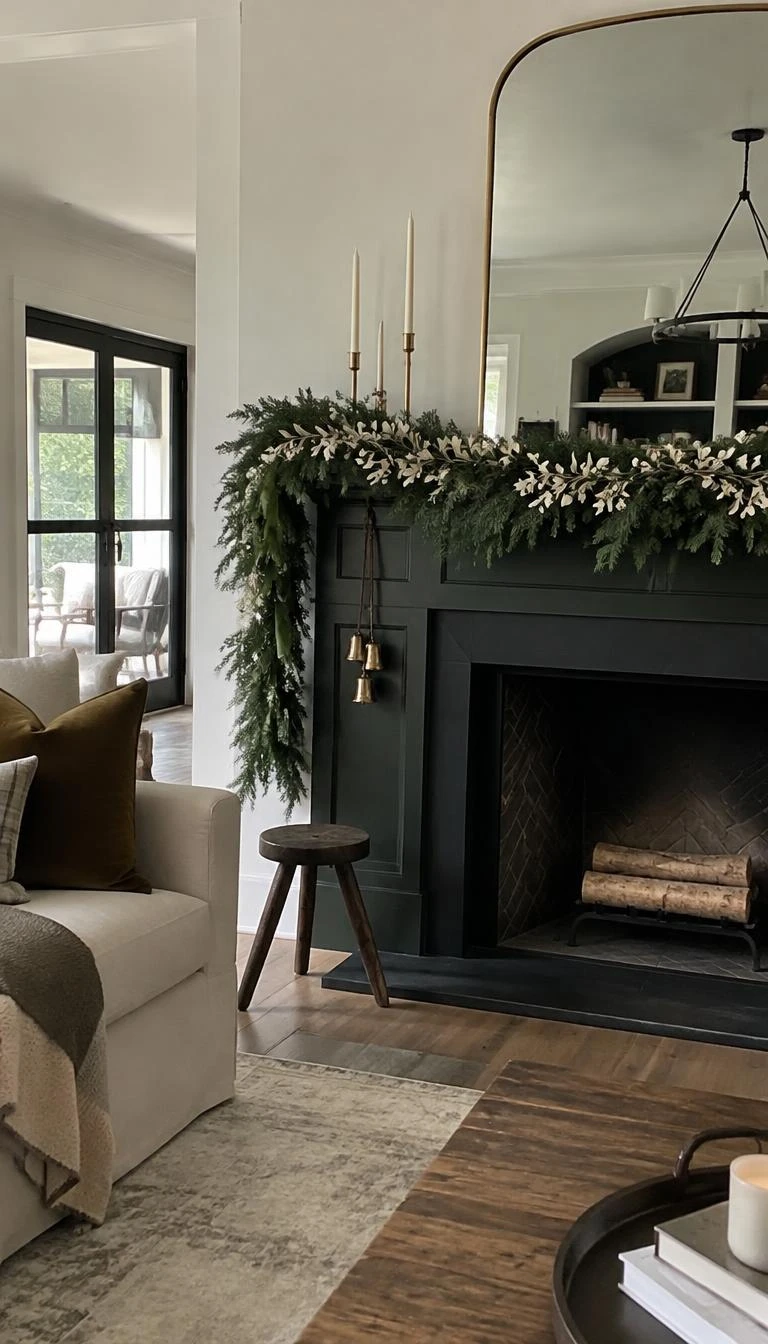
Standard green garlands can disappear against dark painted walls or charcoal fireplaces. Weaving dry bleached ruscus through dark needles provides high contrast without using plastic snow flocking.
Slide individual bleached ruscus stems horizontally through the needles of a Douglas fir base. Secure the ruscus branches near the stem junction using brown paddle wire.
Too much white foliage can make the arrangement look chaotic. Use three ruscus stems for every two feet of dark evergreen base to maintain balance.
The ivory leaves catch window light and define the outer edge of the mantle display.
Drape Sheer Linen Fabric Beneath Blue Spruce
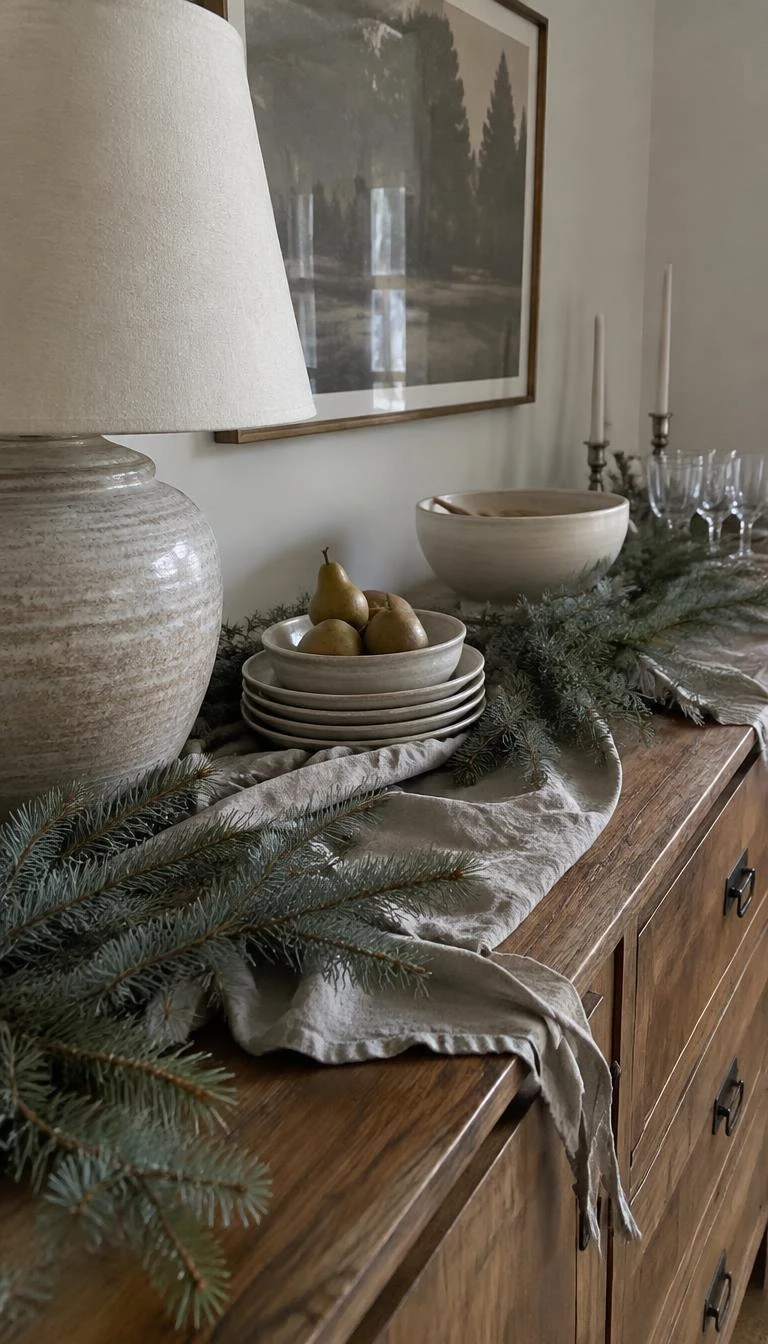
Sharp needles on blue spruce can scratch finished furniture surfaces during setup. Running a gathered strip of sheer natural linen under the boughs protects wood while adding tactile softness.
Cut unhemmed washed linen twenty inches wide and slightly longer than your wooden credenza. Scrunch the fabric loosely down the center before setting heavy spruce branches on top.
I like this combination best in rooms with limestone or aged wood tables. Avoid brightly bleached cloth, which looks stark against the muted blue spruce needles.
The natural frayed edges of the linen spill casually past the edges of the sideboard.
Fasten Antiqued Brass Jingle Bells to Exposed Stems
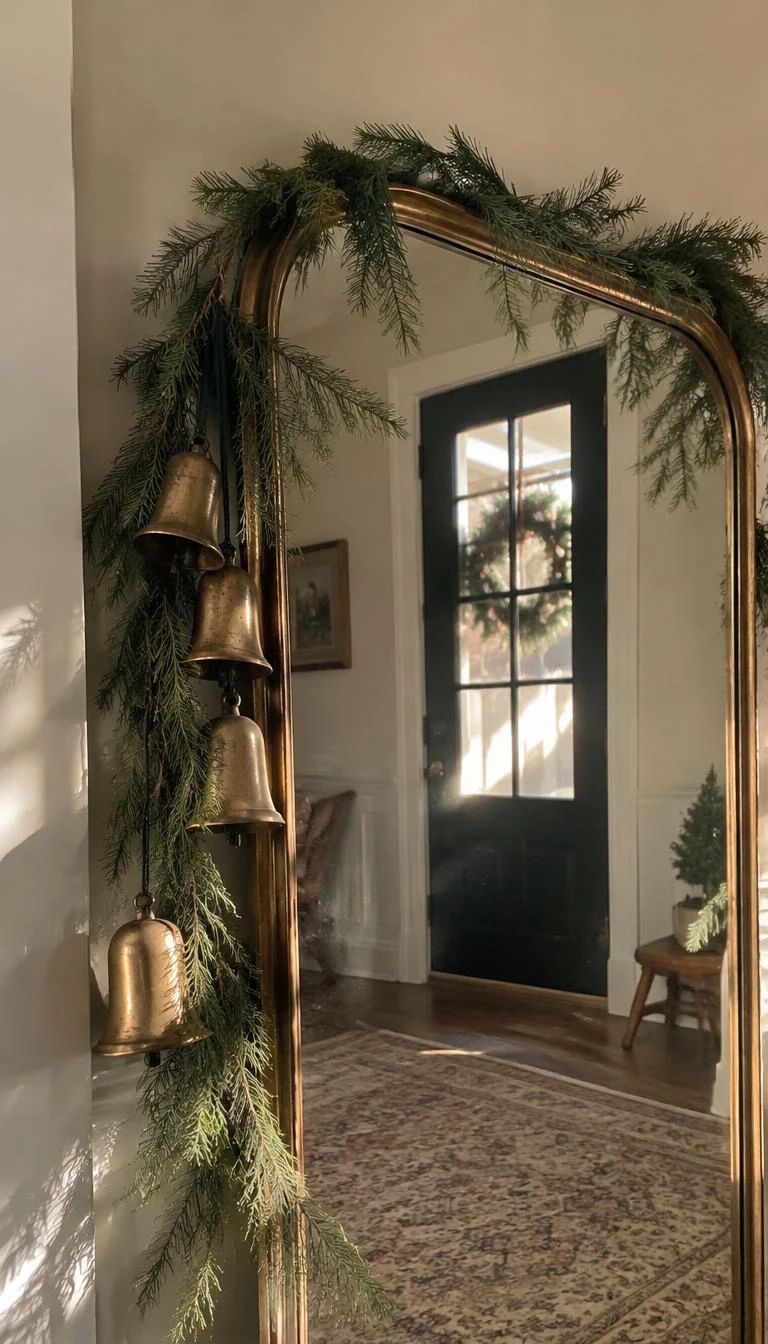
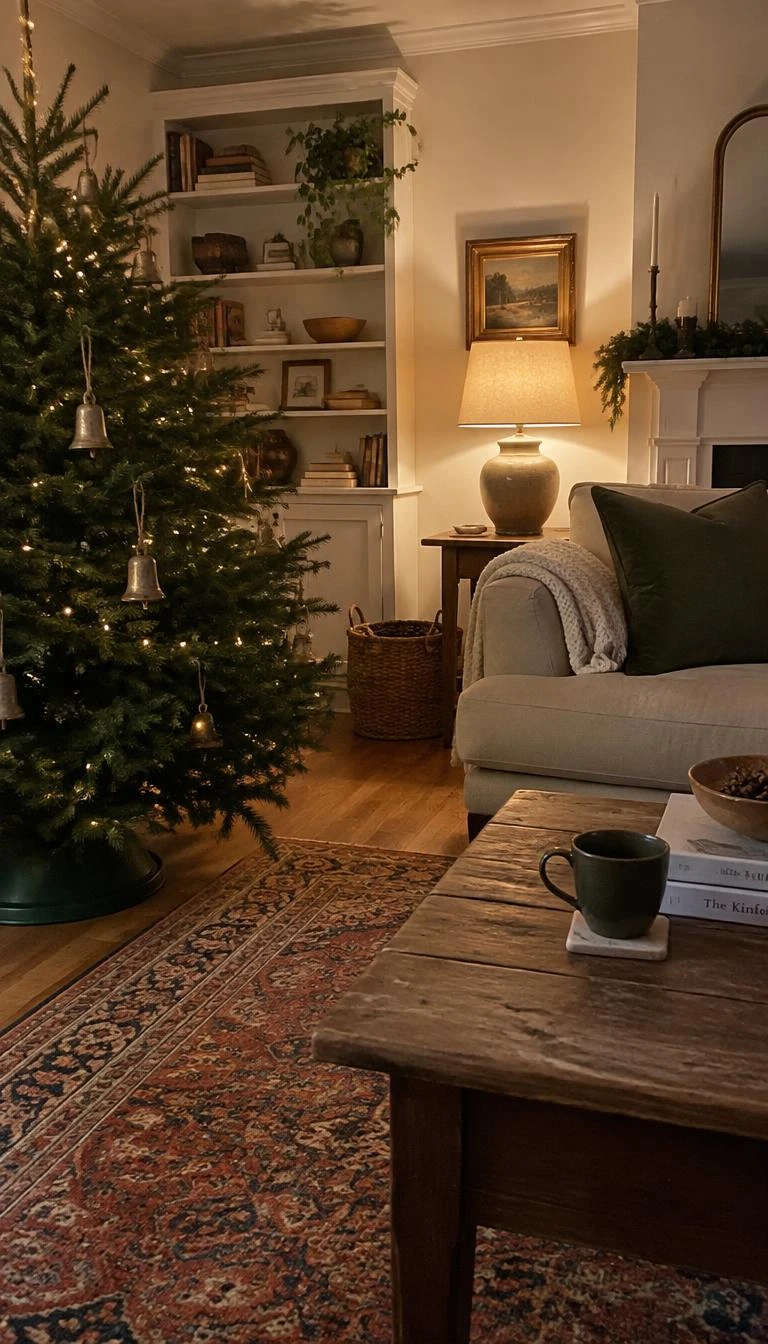
Bright gold accents can appear harsh against subtle winter foliage. Antiqued brass bells with a darkened patina bring warm metallic reflection without overwhelming the room.
Select cast iron or pressed brass bells measuring two inches in diameter with muted bronze finishes. Group the bells in clusters of three and knot them to central stems with thin leather twine.
Let the clappers hang free so they make a low sound when touched. Do not scatter bells uniformly across the length, but cluster them near the bottom corners.
The muted brass tone picks up warm colors from nearby floorboards and table lamps.
Mount a Sparse Pine Arch Around Kitchen Windows
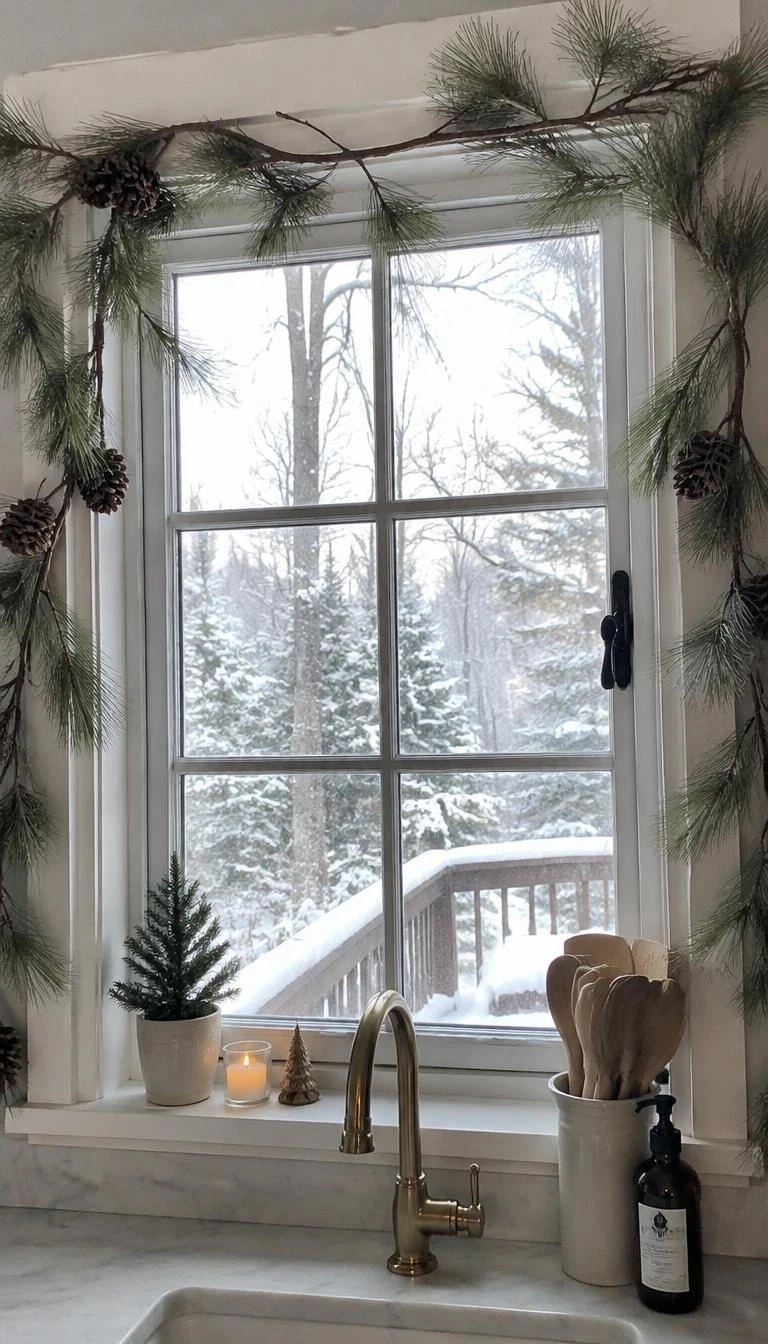
Heavy garlands around kitchen windows often block essential morning sunlight and feel crowded. A sparse arch made from slender pine branches frames the outdoors while preserving window light.
Use lightweight scotch pine branches bound loosely with clear cable ties around adhesive wall hooks. Keep the garland thickness under three inches along the top and sides of the frame.
A thick garland will crowd sink faucets and open shelving. Measure your clearance before securing branches to make sure window latches can turn without snagging needles.
The green needles outline the cold garden view outside the kitchen panes.
Blend Variegated Ivy into Flat Cedar Garlands
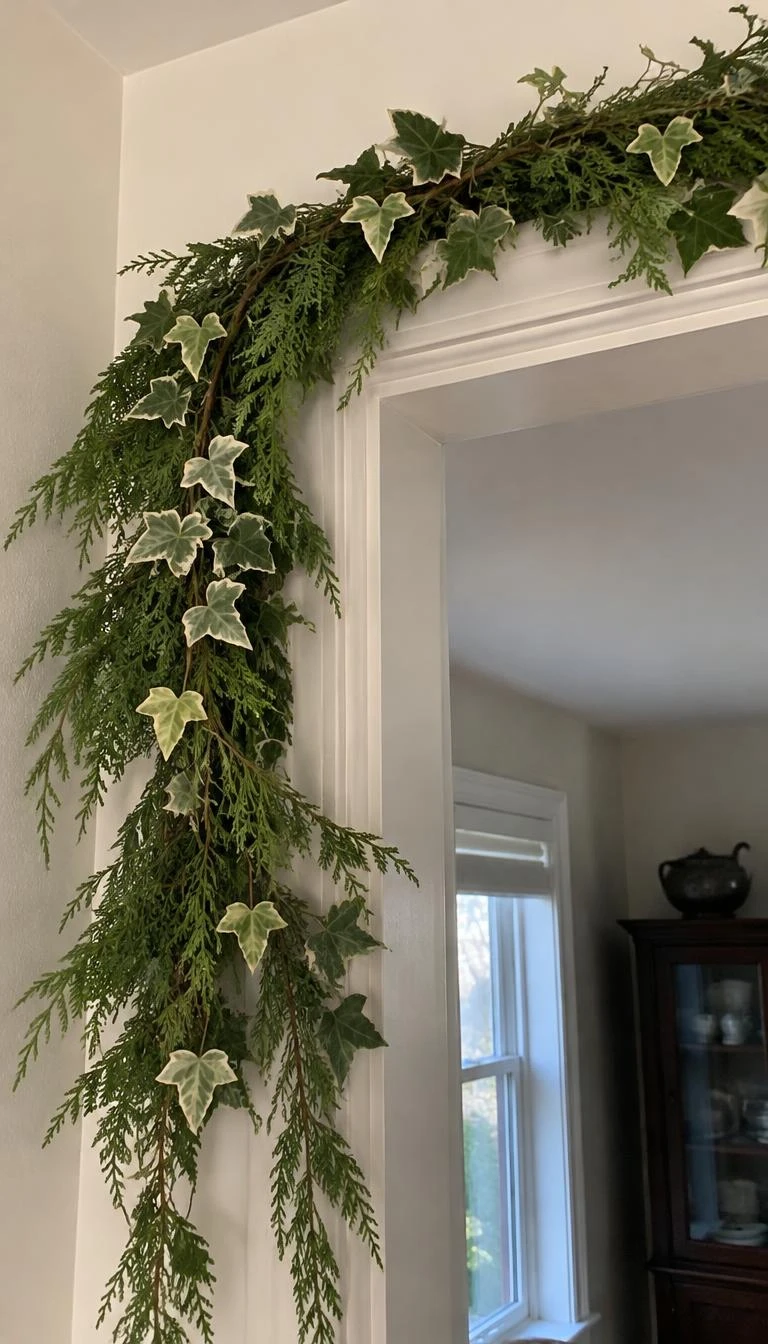
Conifer boughs alone can feel bulky and rigid when hung vertically down door jambs. Twining variegated English ivy into cedar foliage introduces trailing vine stems and cream edges.
Cut five foot sections of living ivy from the garden. Weave the flexible vines through the wired cedar base, wrapping them around the central stem every twelve inches.
Ivy wilts faster than cedar if the stems cannot pull moisture. Keep the cut ivy ends in small water vials tucked into the garland top for longer freshness.
The pale yellow leaf borders add light points across dark cedar corners.
Thread Wooden Beads with Clustered Cinnamon Sticks
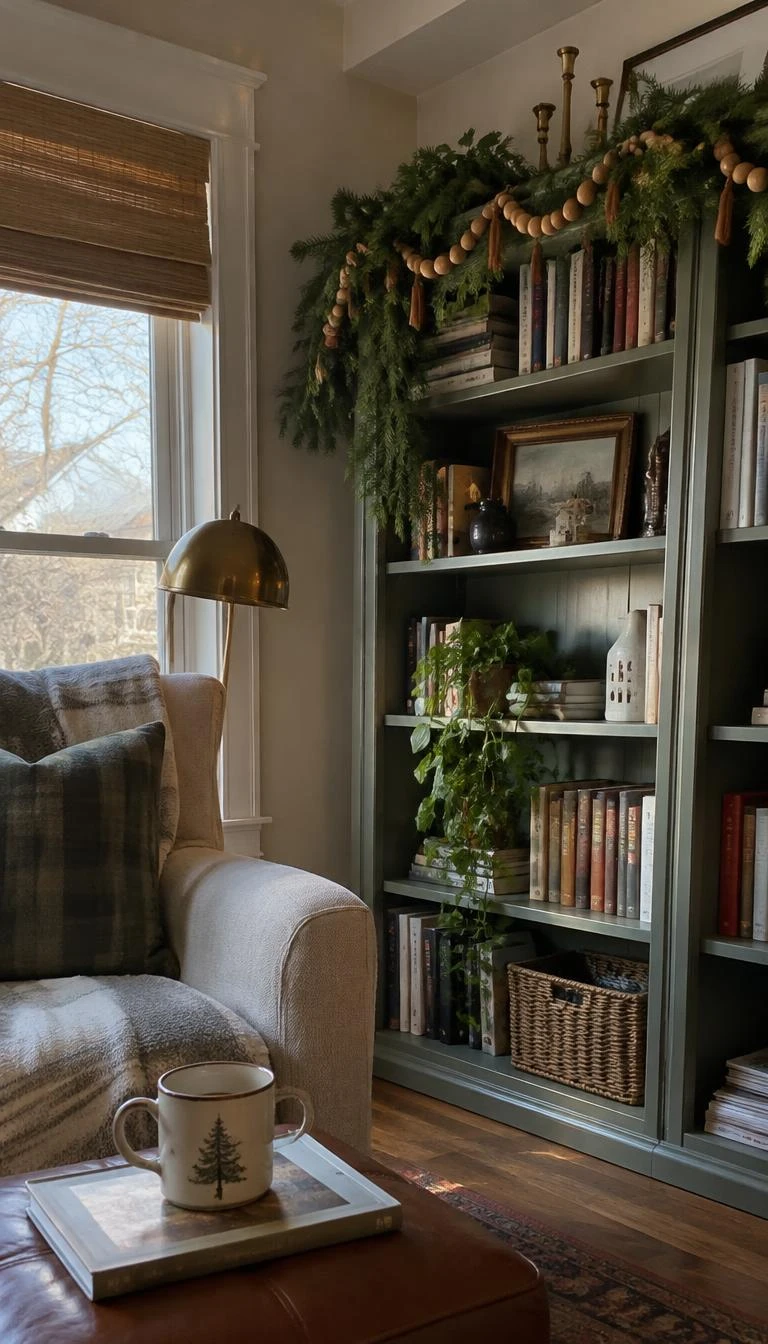
Plastic beaded garlands reflect too much light and feel commercial on rustic mantelpieces. Unvarnished maple beads combined with bundled cinnamon sticks bring warmth and scent together.
Thread round raw wood beads of varying sizes onto thick jute string. Every twelve inches, tie a bundle of three whole Ceylon cinnamon sticks using brown waxed cord.
Do not use glossy or painted wood beads, which hide the natural grain. The natural wood grain pairs best with casual, cabin style rooms and open shelving.
The spicy scent from the warm cinnamon sticks lingers quietly around the room.
Inset Burgundy Taper Candles Behind Hearth Foliage
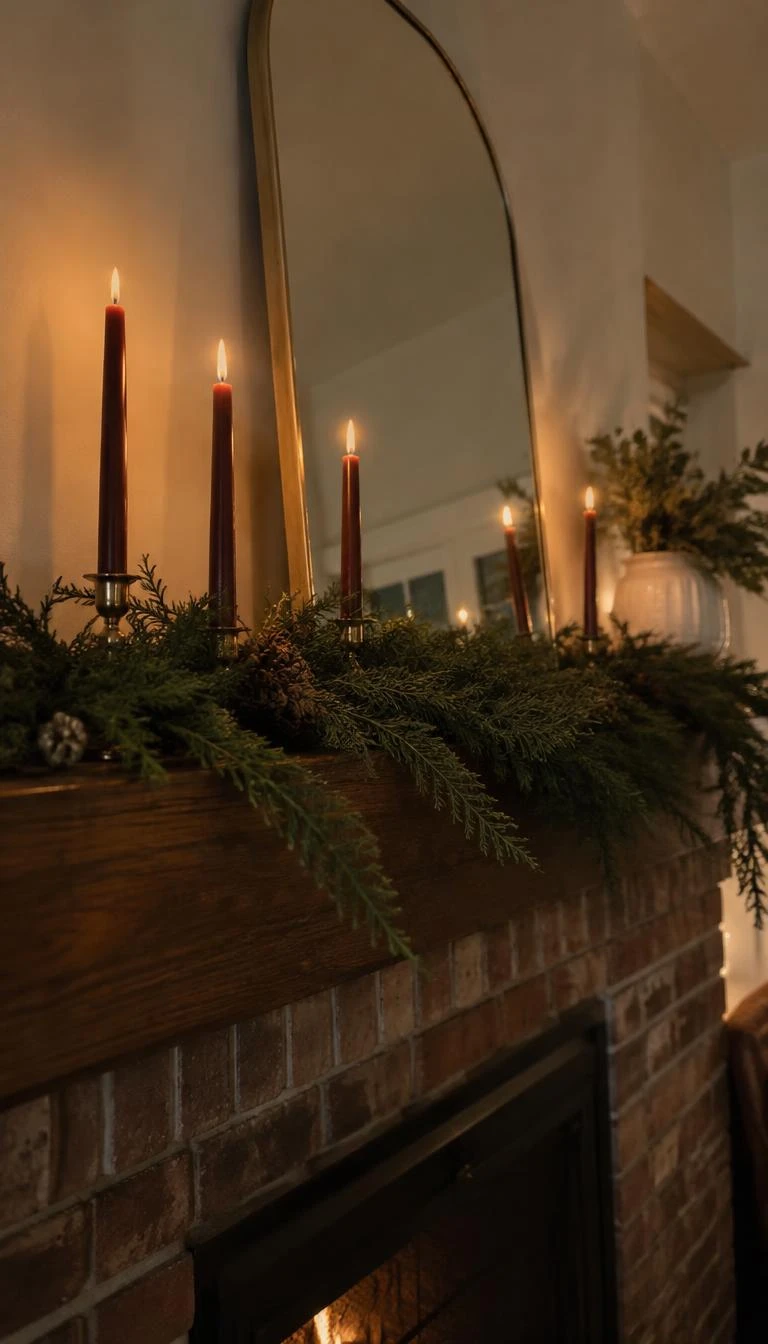
Placing candles directly inside greenery branches creates an obvious fire hazard. Setting heavy brass candleholders behind the garland on the mantel shelf keeps flame safely away from needles.
Use eight inch beeswax taper candles in deep burgundy or wine red tones. Arrange five candles in a staggered line behind a low, flat Douglas fir garland.
Always verify that branches remain at least four inches clear of open candle wicks. Never leave open tapers unattended when evergreens begin drying out.
The deep burgundy wax adds richness to the green needles even when unlit.
Let Pine Branches Pool onto the Living Room Floor
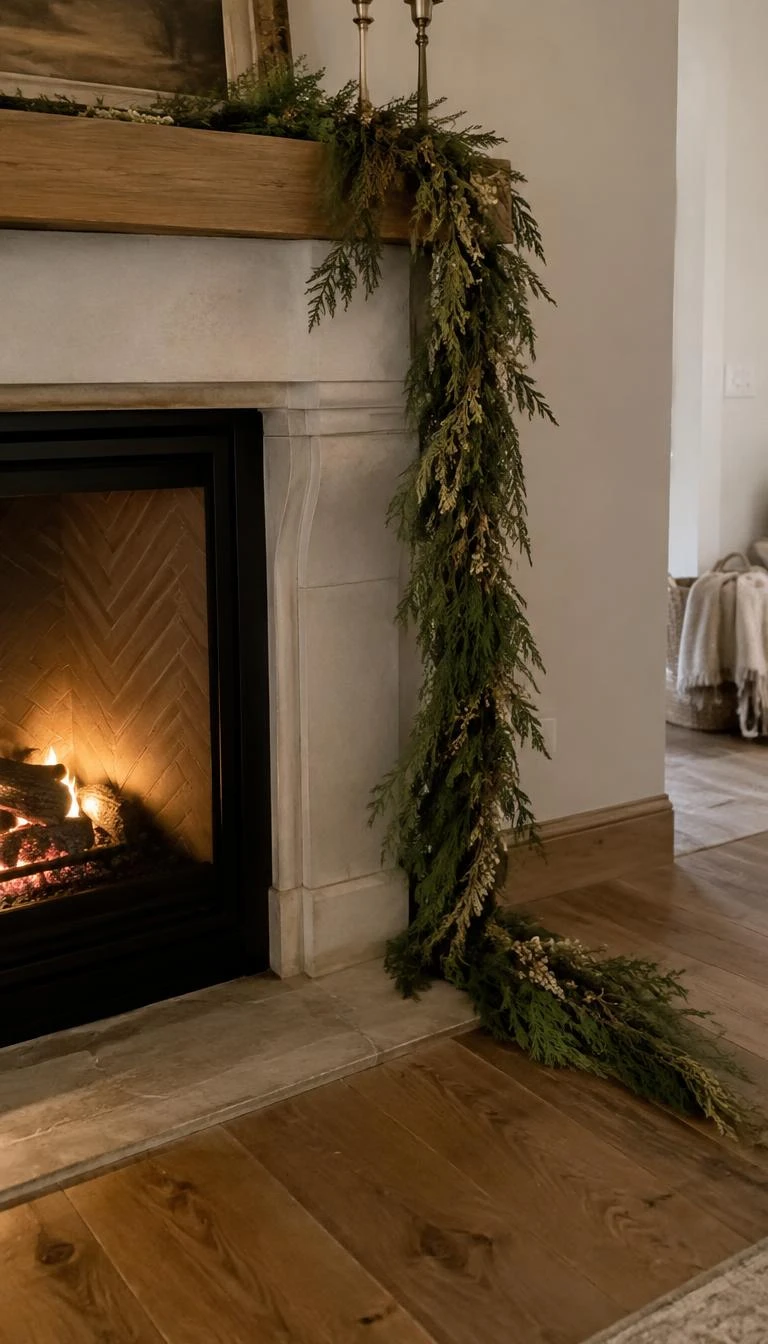
Cutting garland ends flush with the bottom of a mantel shelf can make the greenery feel clipped and brief. Letting extra branches pool softly onto the floor creates dramatic weight.
Add an extra three feet of white pine garland to your standard mantel measurement. Allow the excess greenery to cascade down the fireplace surround and settle loosely onto the floorboards.
Keep the floor pool out of major walkways to prevent tripping. This style looks most natural in rooms with stone hearths or bare oak plank floors.
The pine needles spill onto the floor like winter drift from outside.
Accent Pale Birch Twigs with Frosted Sugar Pinecones
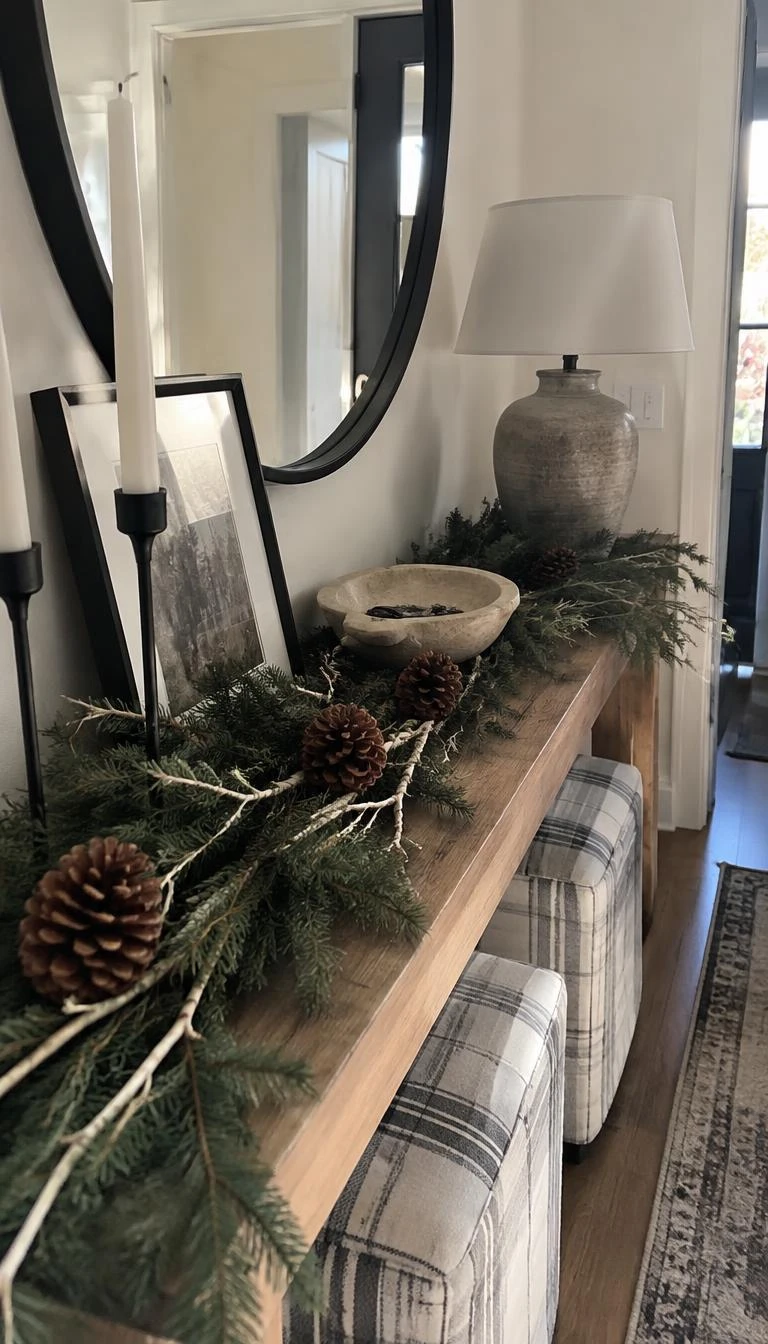
Evergreen needles alone have a uniform, soft texture across long horizontal surfaces. Inserting stiff white birch twigs and large sugar pinecones provides structural variety.
Bundle three thin birch twigs together with brown wire and slide them behind noble fir boughs. Wire natural open sugar pinecones directly to the main garland core between the twigs.
Avoid pinecones coated in artificial white paint or glitter. Natural weathered cones with soft grey tones match birch bark much more cleanly.
The pale bark brightens the deep forest greens of the fir.
Anchor Winter Jasmine and Green Moss Along Open Shelving
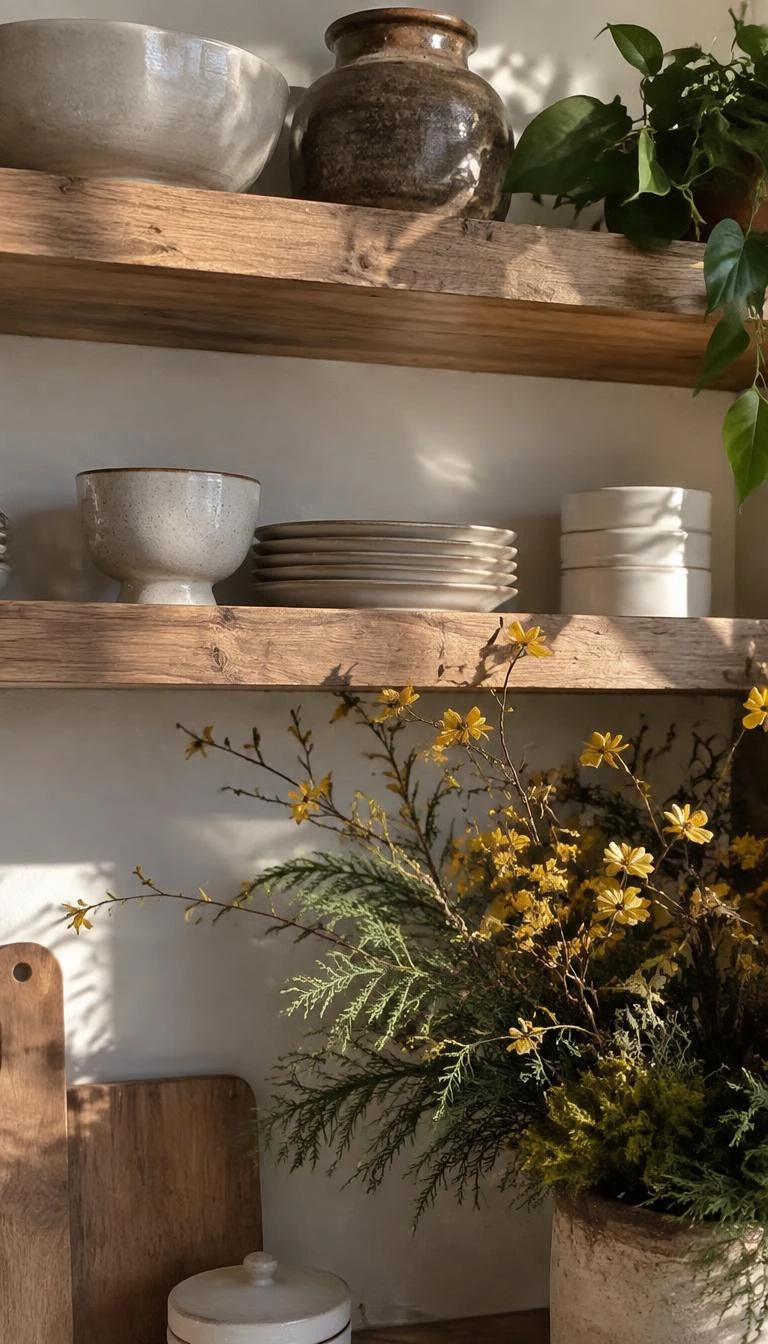
Traditional holiday greenery rarely incorporates bright winter flowers. Adding slender stems of early winter jasmine into preserved sheet moss introduces pale yellow petals before spring.
Lay a narrow bed of preserved green sheet moss across the front lip of a wood shelf. Press jasmine stems into the moss, securing them with discreet florist U pins every few inches.
Jasmine stems are fragile and break easily when bent. Handle the blooming branches gently, letting them follow their natural arch along your kitchen pottery.
The small yellow blossoms offer an unexpected spark against the damp moss.