22 Classic Christmas Tree Ideas That Endure in 2026

Bringing warmth home during the holidays relies less on novelty and more on time-tested choices. When considering classic Christmas tree ideas in 2026, the quiet restraint of balanced foliage, familiar shapes, and gentle lighting always outlasts short-lived decorative fads.
A well-dressed tree succeeds through deliberate balance and tactile variety. Mixing muted metallics with unvarnished wood, rich textiles, and layered branches creates depth without sensory overload. These approaches celebrate needle texture, amber glows, and heritage accents that fit both old houses and modern spaces.
Below are 22 ideas you can adapt to your own home, whatever your holiday traditions look like.
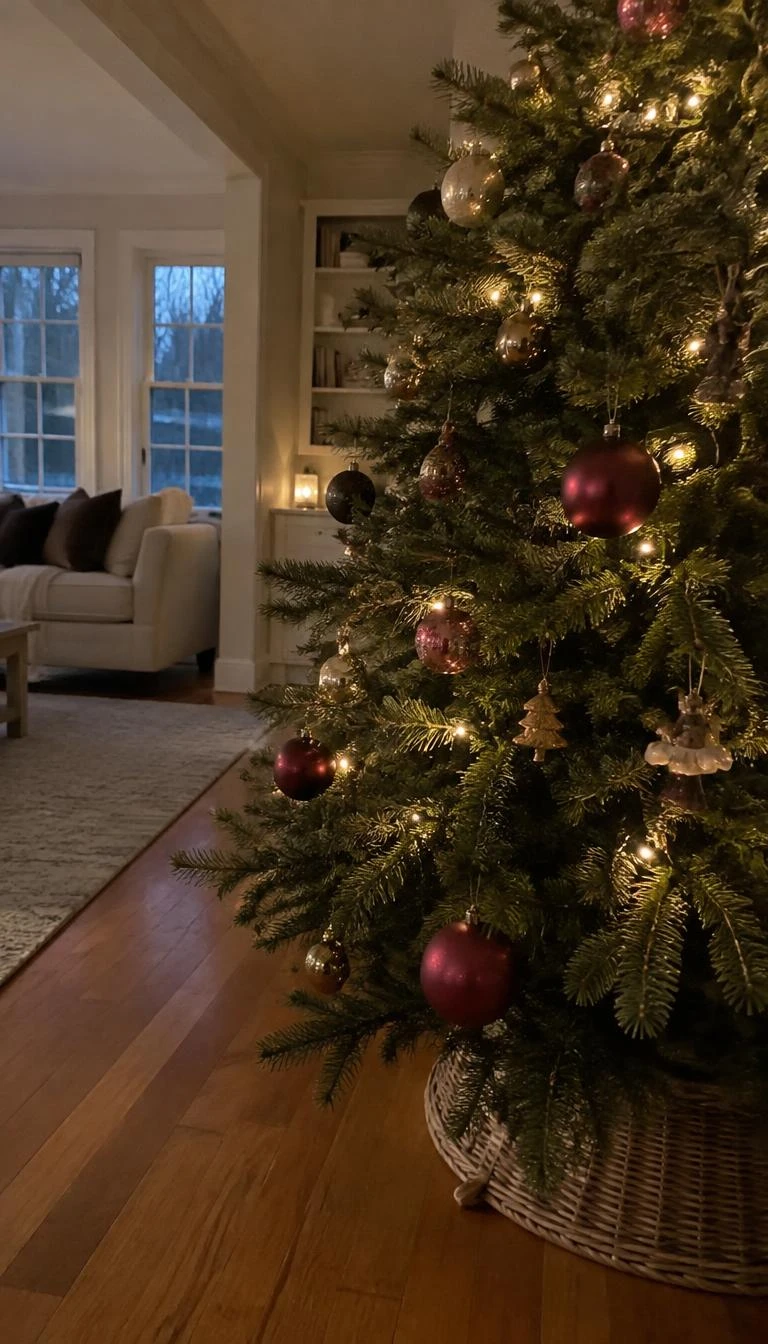
Use Burgundy Velvet Ribbons Instead of Standard Bright Red
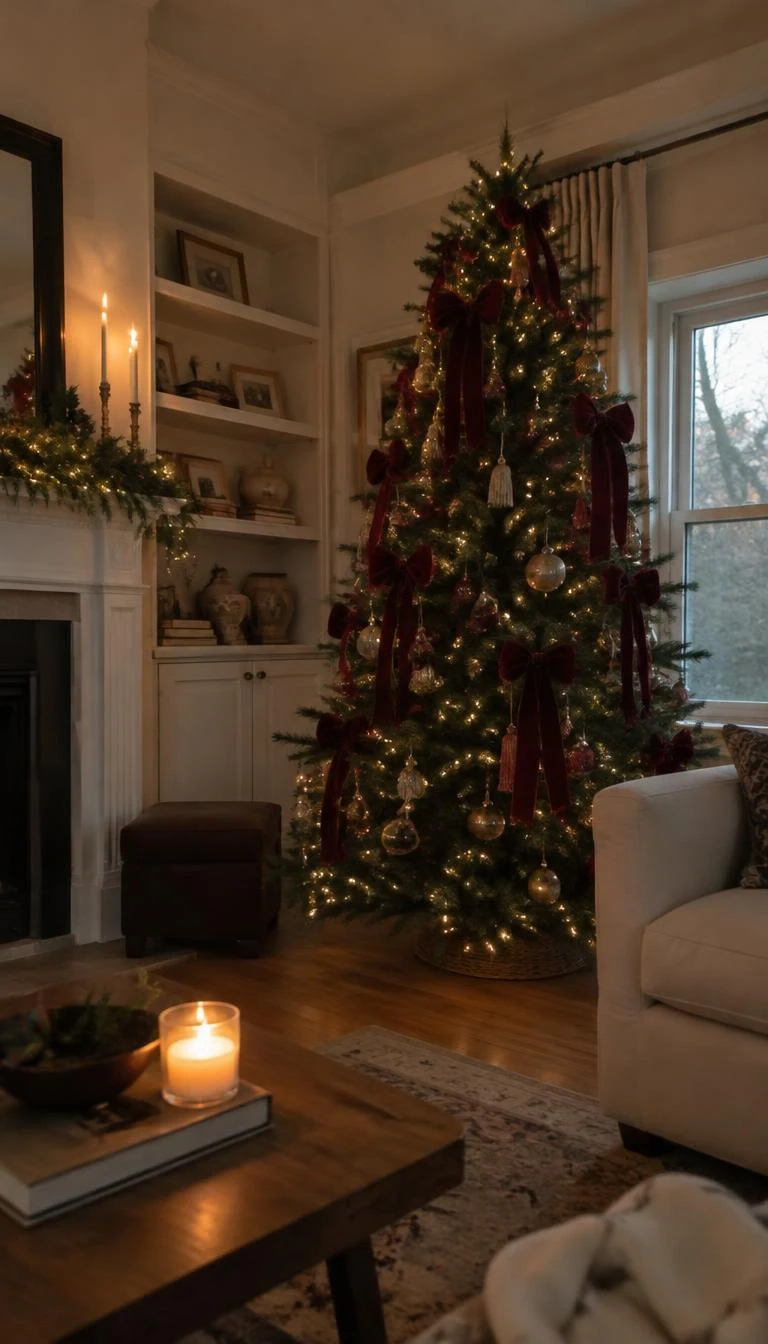
Bright candy-cane reds can easily dominate a room and flatten the greenery. Swapping them for burgundy velvet ribbons introduces richness without shouting.
Cut two-inch wide ribbon into eighteen-inch lengths. Tie them into simple, loose tails rather than stiff bows, spacing twenty pieces evenly across the outer boughs. The matte fabric absorbs light while the pine reflects it.
The key is avoiding wired edges that hold rigid folds. Let gravity shape each drop naturally. The finished branch looks relaxed, painterly, and grounded.
Mix Clear, Smoked, and Reflective Glass Ornaments
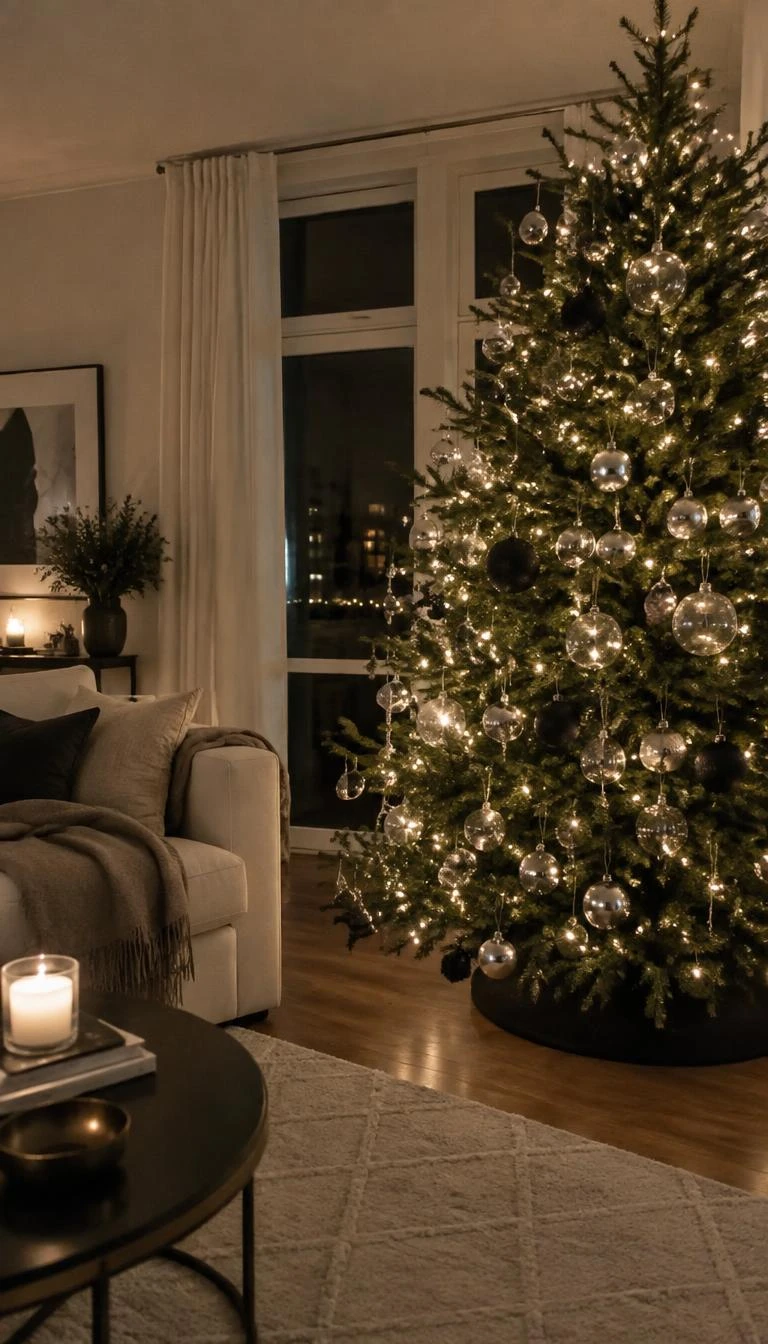
Uniform shiny spheres often give a tree an artificial, commercial sheen. Layering three glass finishes produces genuine dimension through varied light transmission.
Distribute thirty medium smoked glass balls toward the trunk where shadows collect. Hang forty clear glass spheres on mid-tier branches, and reserve twenty small mirrored baubles for the outer tips where warm lights hit directly.
The mistake is grouping similar finishes together. Spread them symmetrically around all visible sides. This variation makes the tree look layered from across the room.
Drape Fine Strands of Silver Tinsel Sparingly
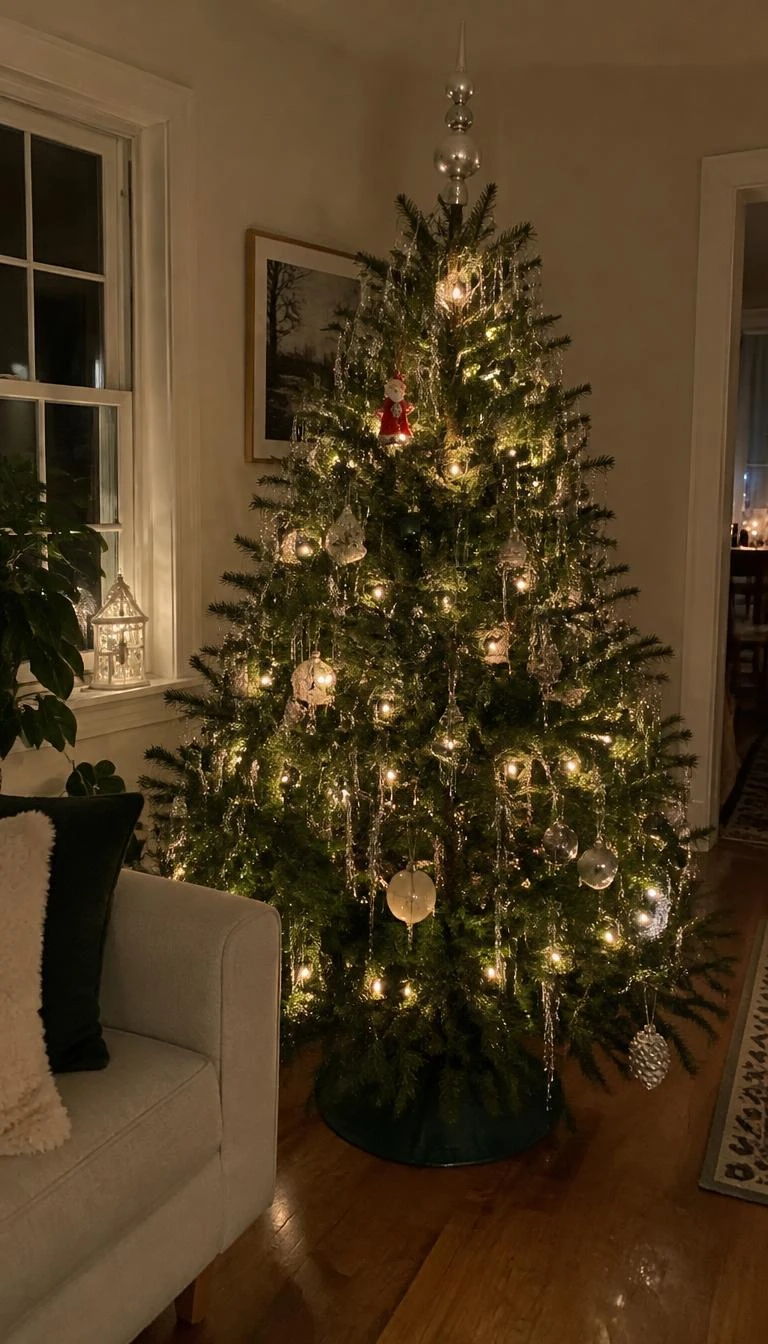
Heavy tinsel can smother boughs under a curtain of plastic foil. Placed with patience, individual strands echo the historic trees of the early twentieth century.
Hang strands two or three at a time over the ends of top branches. Work downward, placing roughly one hundred thin strands across the entire upper half of the tree. The silver catches movement in the air.
Resist throwing handfuls onto branches in clusters. Precision keeps the metallic effect shimmering like quiet ice needles instead of a crowded holiday display.
Thread Real Cranberries and Dried Bay Leaves on Linen Cord
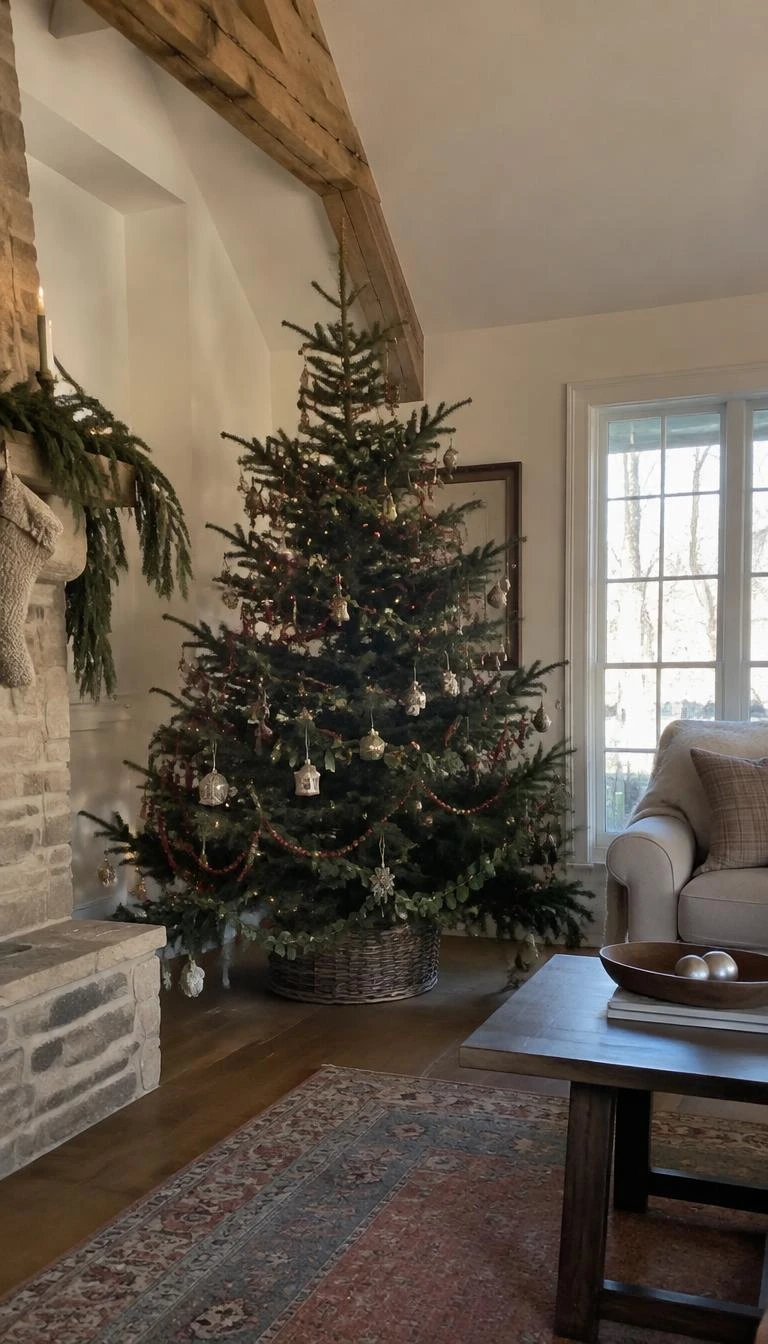
Plastic bead garlands lack organic irregularity. Threading fresh tart fruit with dried laurel leaves brings subtle color and kitchen fragrance into the room.
Use a sturdy tapestry needle and thick unbleached linen thread. Alternate four firm raw cranberries with one stiff dried bay leaf until you have six four-foot lengths. Drape them loosely along the branch perimeters rather than pulling tight lines.
Avoid ripe, soft fruit that might drip juice. The dried laurel softens the crimson tone with muted herbal green.
Tuck Real Pinecones Deep Into Branch Wells
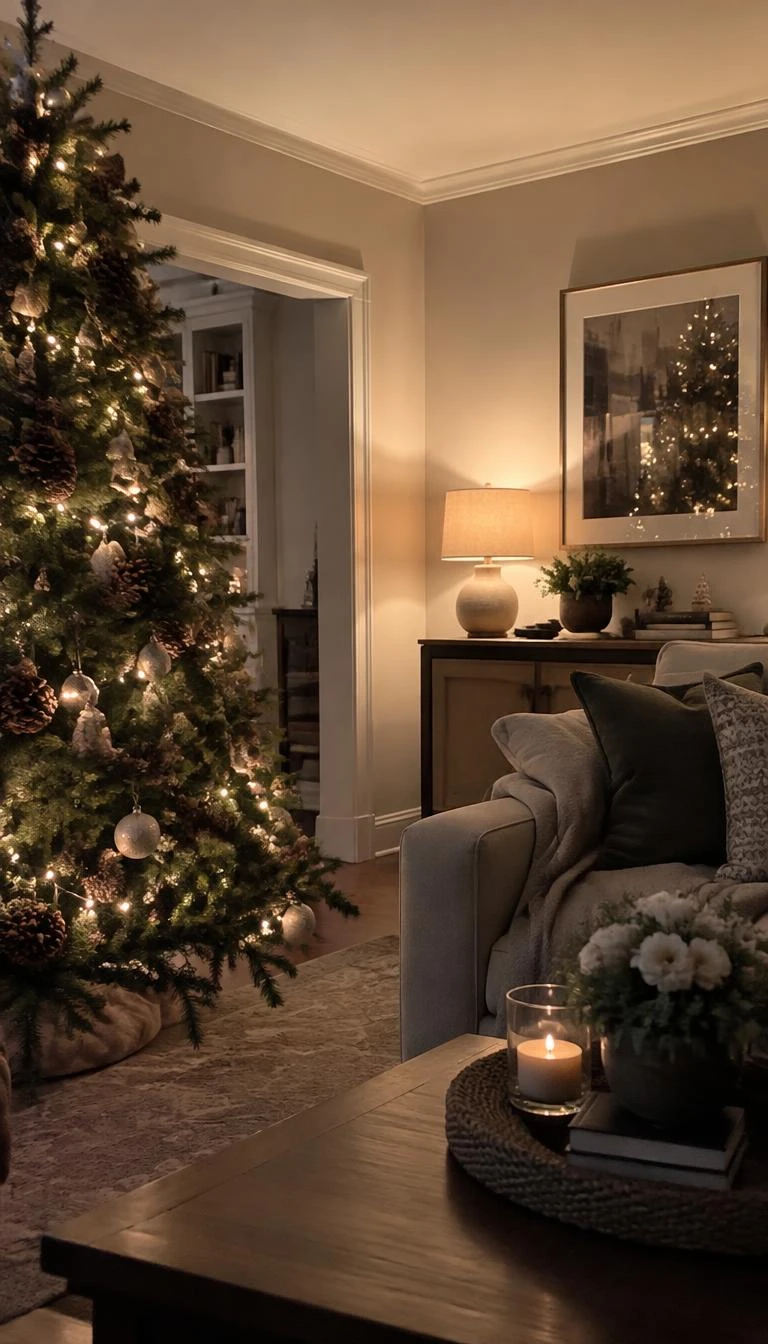
Most ornaments hang at the perimeter, leaving the core hollow and bare. Pushing natural pinecones into interior forks gives the tree solid visual weight.
Select fifteen large sugar pinecones and twenty smaller spruce cones. Wire them directly to sturdy inner stems rather than outer needles, hiding the wire under needle clusters. I find this technique especially effective on open, sparse fir trees.
Do not coat the cones in glitter or fake snow paint. Natural brown scales ground the brighter accents around them.
Hang Pierced Tin Stars Under Warm Mini Lights
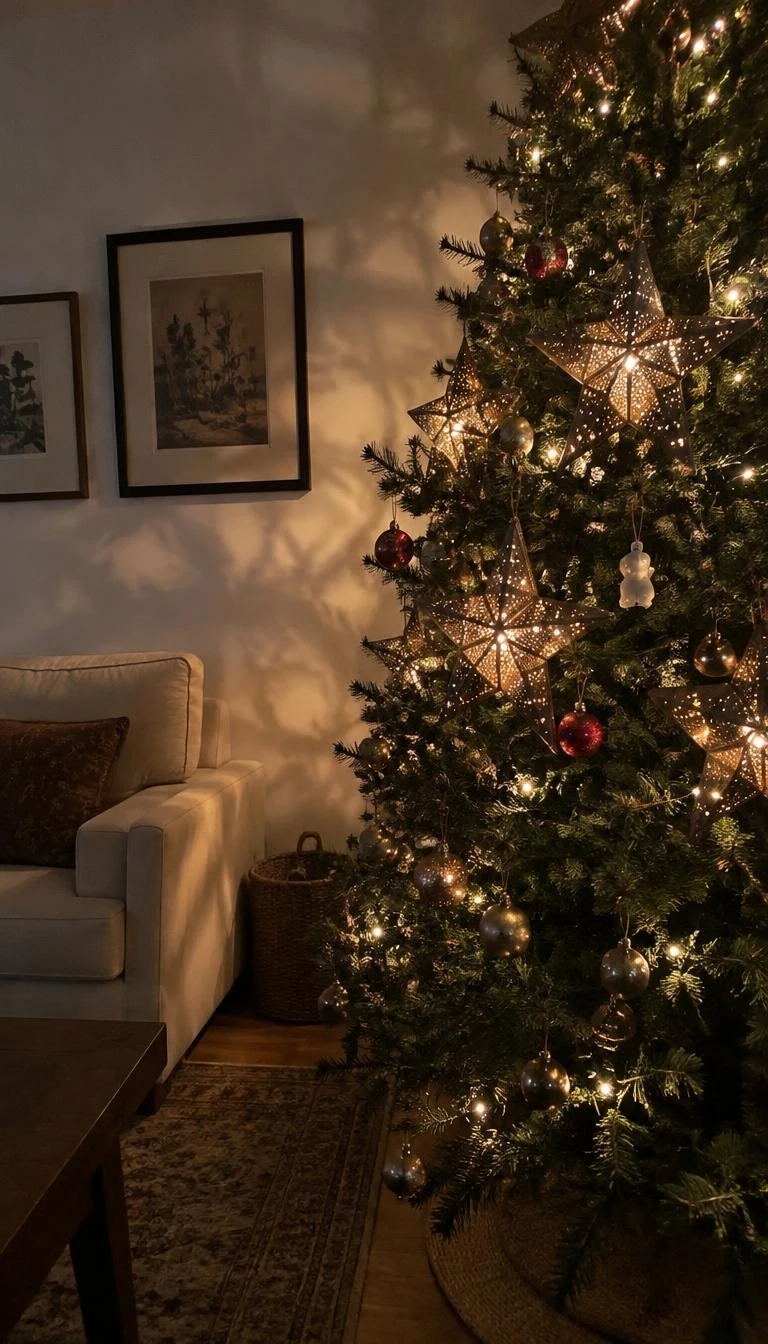
Mass-market plastic stars feel lightweight and disposable. Punched tin ornaments carry folk charm and cast intricate needle patterns when lit from behind.
Place twelve five-inch tin stars near the center of branches, positioning a mini light bulb right behind each cutout. The metal heats faintly and casts tiny amber dots against the surrounding needles and wall.
Avoid highly polished chrome finishes. Dull tinplate with a soft grey patina blends naturally into dark evergreen needles without glaring.
Wrap the Base in an Antique Copper Tub
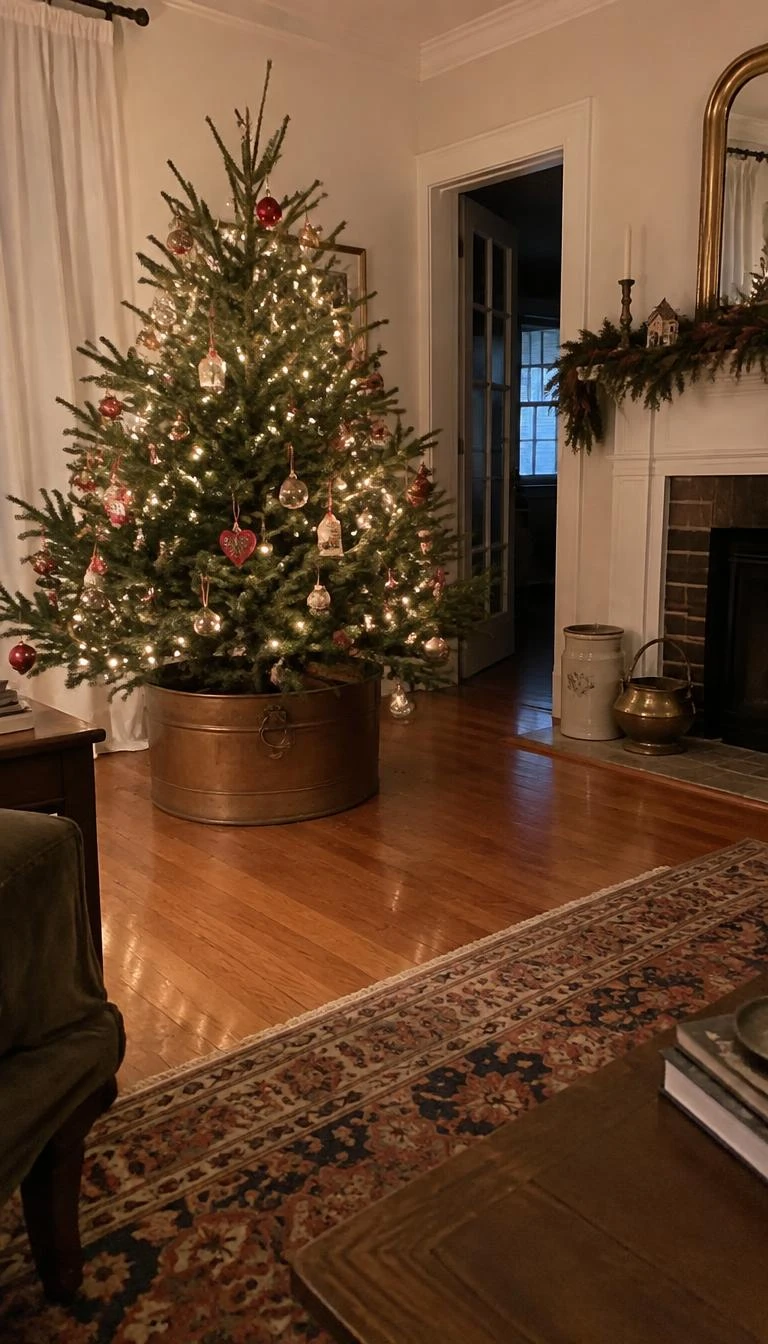
Standard fabric skirts wrinkle, collect pet hair, and slip out of alignment constantly. An antique copper wash basin creates a clean architectural anchor for the trunk.
Measure your tree stand across its widest bolt reach before hunting for a tub at least twenty-two inches wide. Set the stand inside, secure the trunk, and cover the inner hardware with folded burlap. The warm metal tones balance the dark green needles above.
Check the bottom for water tightness before filling. The polished basin lip reflects the lowest tier of lights.
Suspend Matte Porcelain Bells from Thin Jute String

Glossy ceramics can appear heavy and cheap. Unglazed white porcelain offers a chalky, mineral finish that echoes soft winter frost.
Hang eighteen small ceramic bells using raw jute twine cut to four-inch drops. Scatter them along the outer third of lower branches where they can swing freely without knocking into neighbor boughs. They produce a faint clink when household air currents stir.
Keep the shapes simple and unpainted. Crisp white biscuit porcelain stands out cleanly against dark Nordmann fir needles.
Cluster Brushed Brass Horns and Antique Trumpets
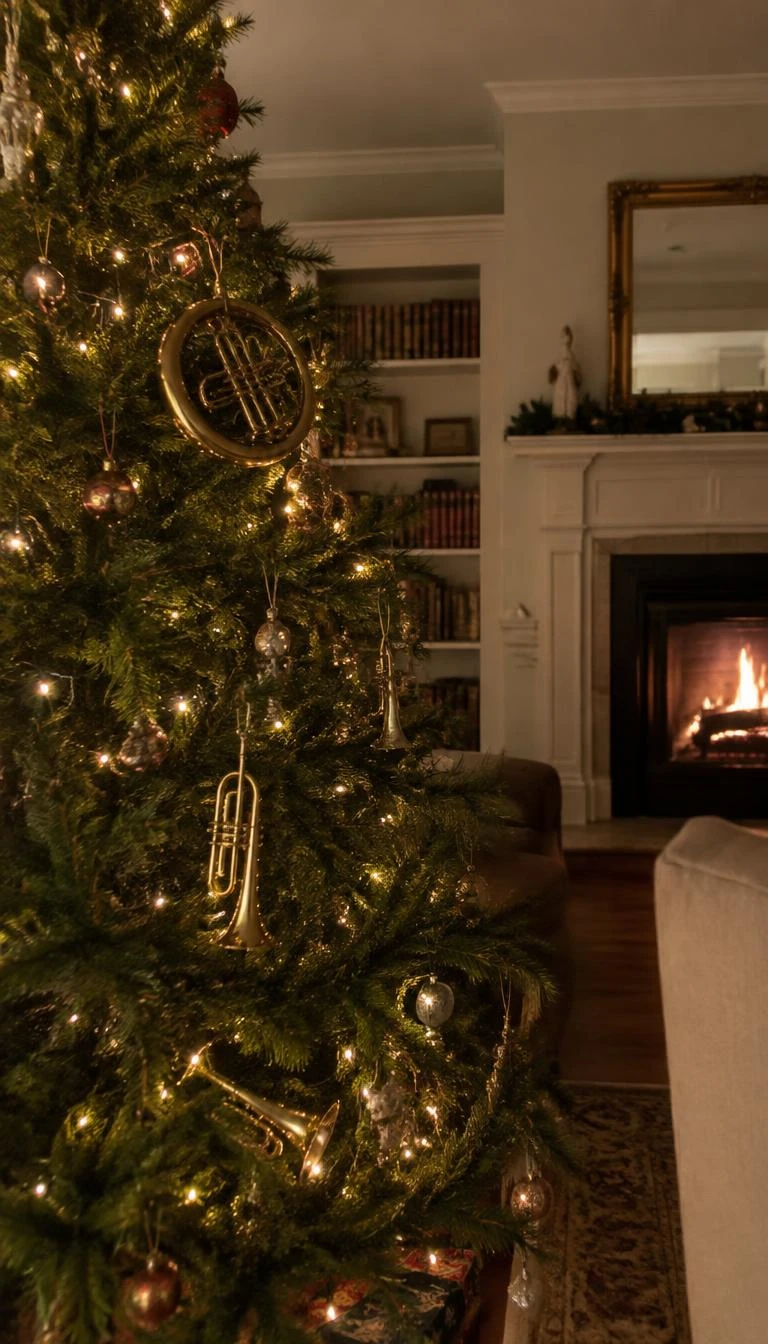
Musical motifs belong to the historic Christmas lexicon. Using patinated, brushed brass instruments instead of bright gold glitter evokes Victorian parlor celebrations.
Collect twelve small metal horn miniatures between three and five inches long. Hang them vertically using dark olive thread, letting the flared bells face outward toward the room. Their burnished surfaces reflect ambient table lamps smoothly.
Skip ornaments with synthetic glitter accents. Genuine spun metal or tarnished brass carries the required vintage weight and authenticity.
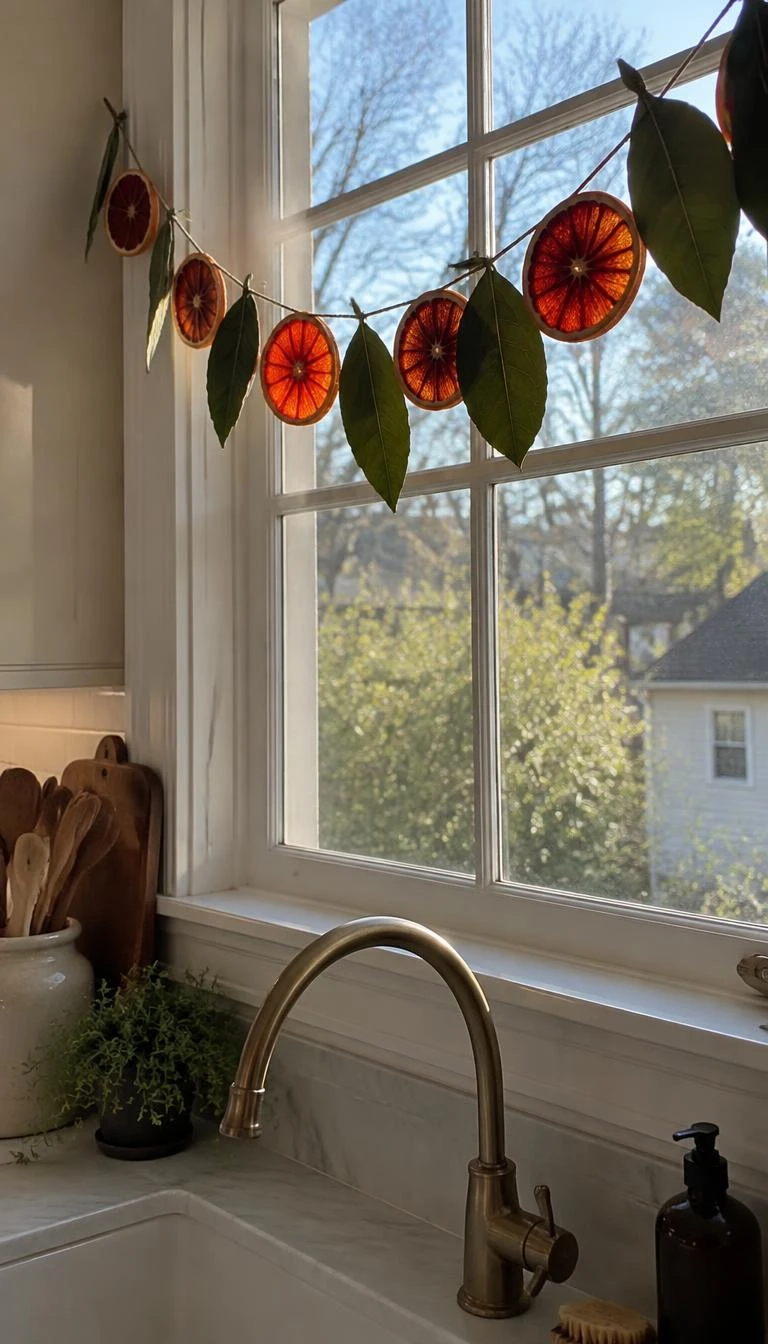
Layer Dried Orange Slices Against Amber Fairy Lights
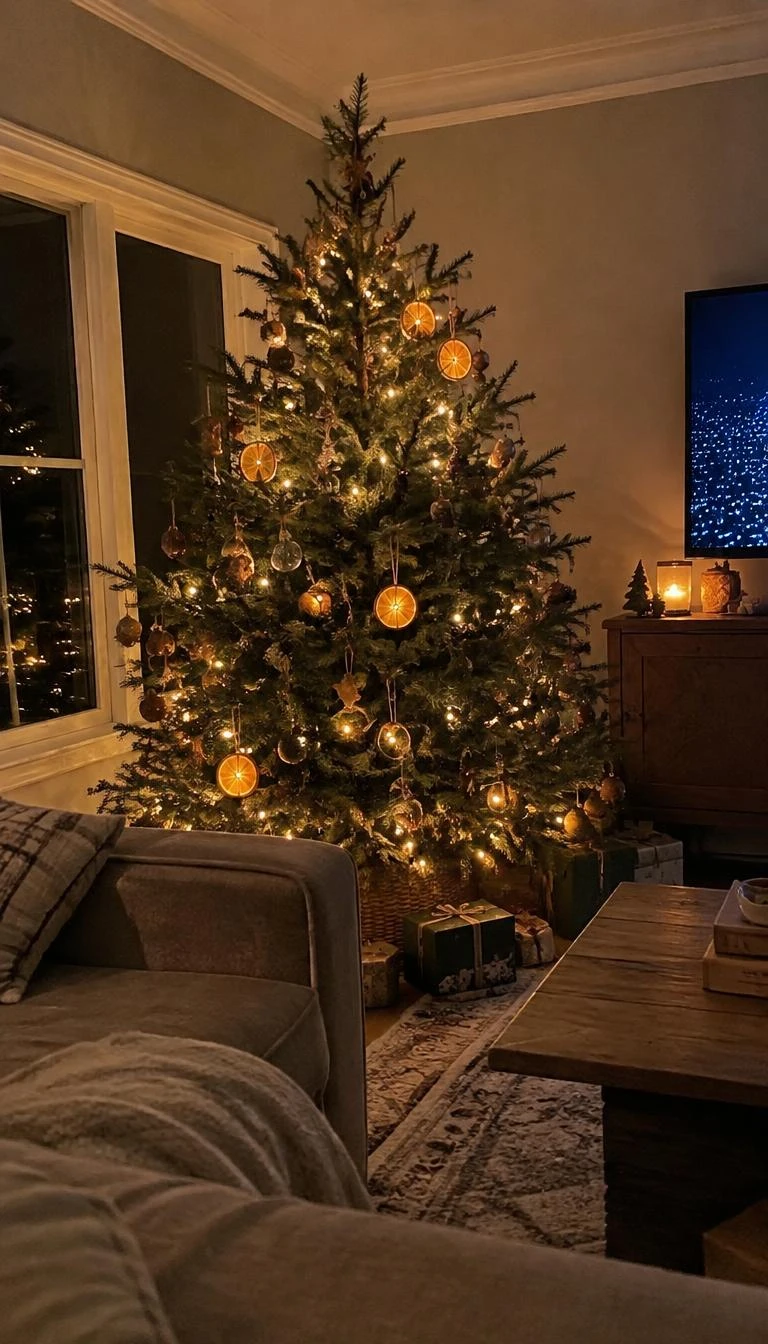
Heavy artificial garlands often overwhelm delicate natural trees. Translucent citrus rounds act as miniature stained-glass windows when illuminated by low-wattage bulbs.
Dehydrate quarter-inch orange wheels in an oven at two hundred degrees for four hours until leathery. Loop thin hemp twine through the pulp flesh and suspend twenty-four slices directly in front of warm white lights. The glowing orange pulp warms the whole room.
Discard slices that browned during drying. Bright amber fruit creates clean, warm illumination through natural fibers.
Display Clipped Glass Birds with Spun Glass Tails
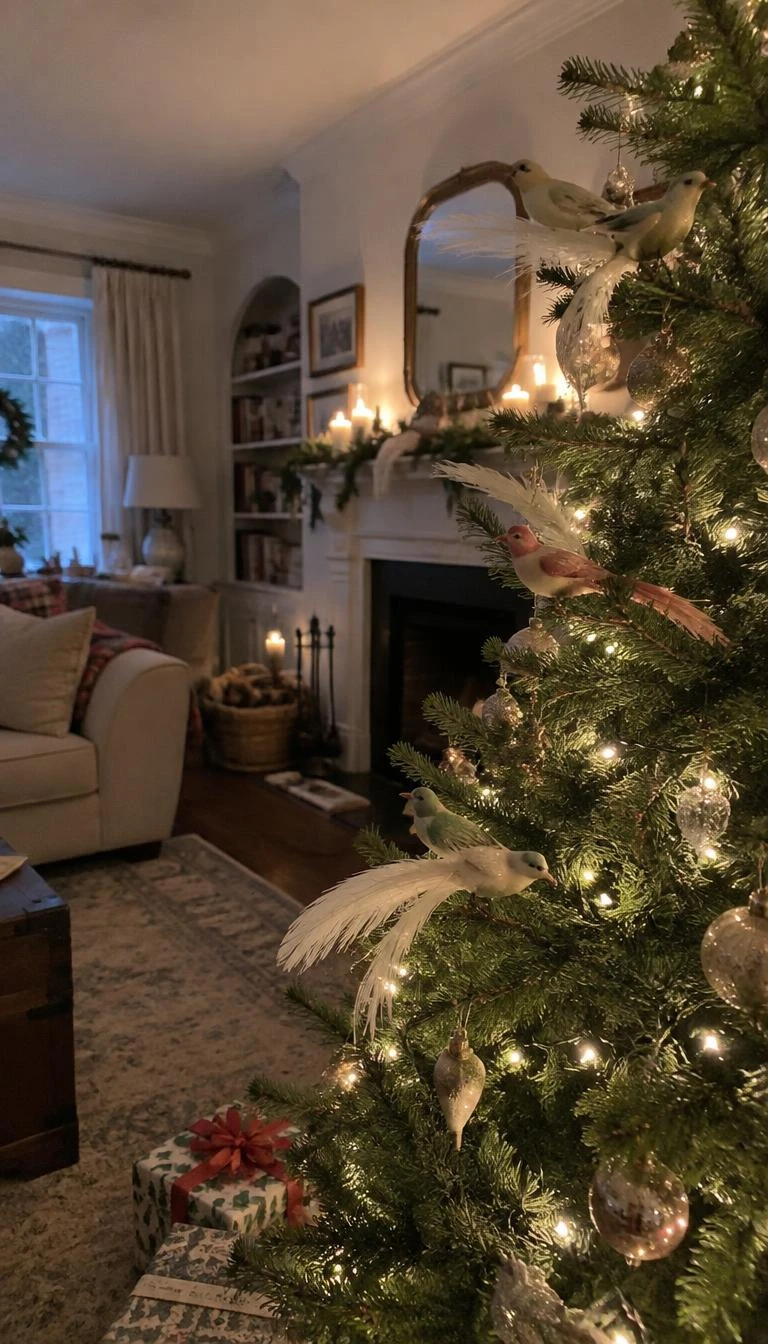
Hanging ornaments down low can leave branch tips looking empty. Clip-on glass birds perch upright, restoring the classic European tree silhouettes of old storybooks.
Affix ten silver or pale gold bird ornaments to horizontal outer tips at eye level. Angle their beaks slightly upward and smooth their delicate spun glass tails along the needle lines. I like placing two close together as if resting on a bough.
Ensure the spring clamps have rubberized grips to protect natural bark. The tail fibers catch stray light beautifully.
Dress Branches in Tartan Wool Ribbon Loops
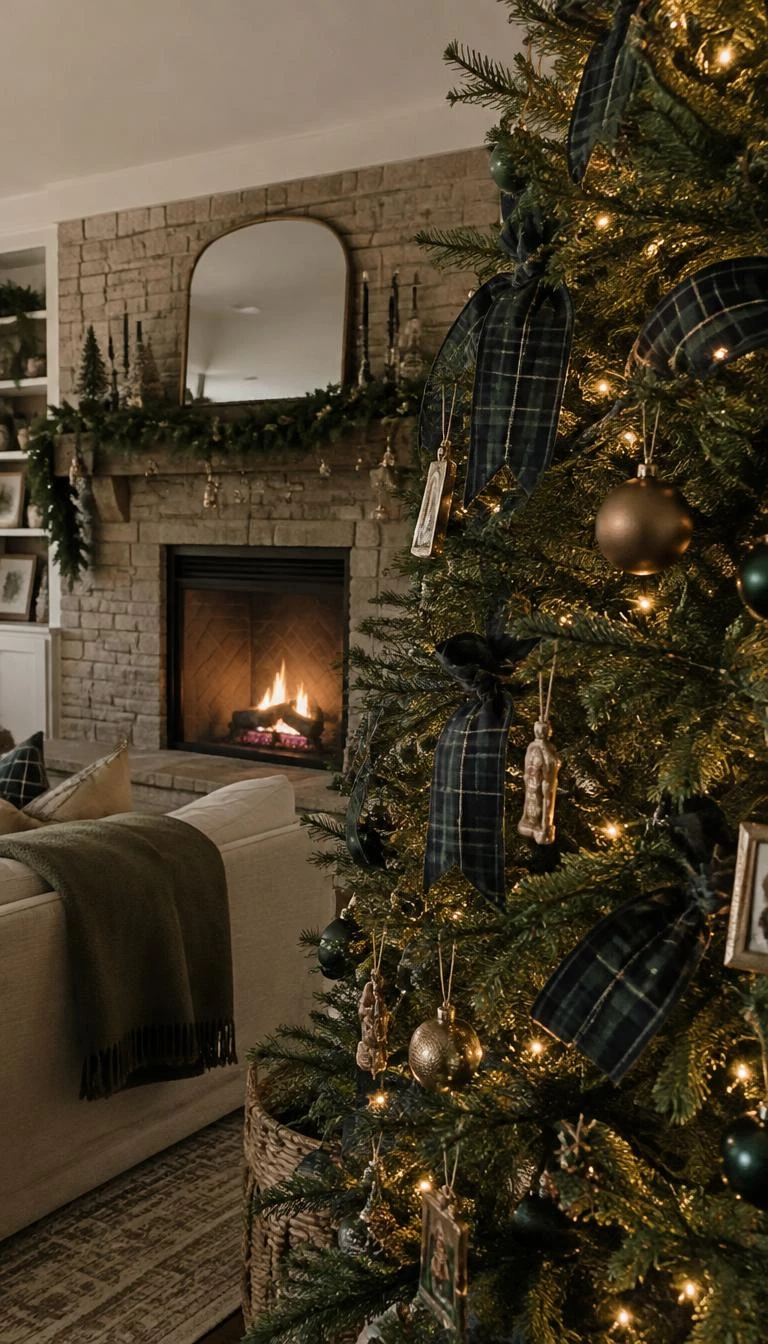
Synthetic printed ribbons look stiff and synthetic from a few feet away. Real woven wool tartan brings tailoring, heritage, and genuine warmth to evergreen foliage.
Select a muted Black Watch tartan in navy, forest green, and black wool. Cut forty ten-inch lengths, looping each loosely through a branch fork without tying full bows. Let the fringed ends hang naturally downward.
Avoid wide, wire-rimmed craft ribbons. Woven wool sits with natural weight, blending quietly with the needles until viewed up close.
Hang Raw Wood Spools Wound with Crimson Thread
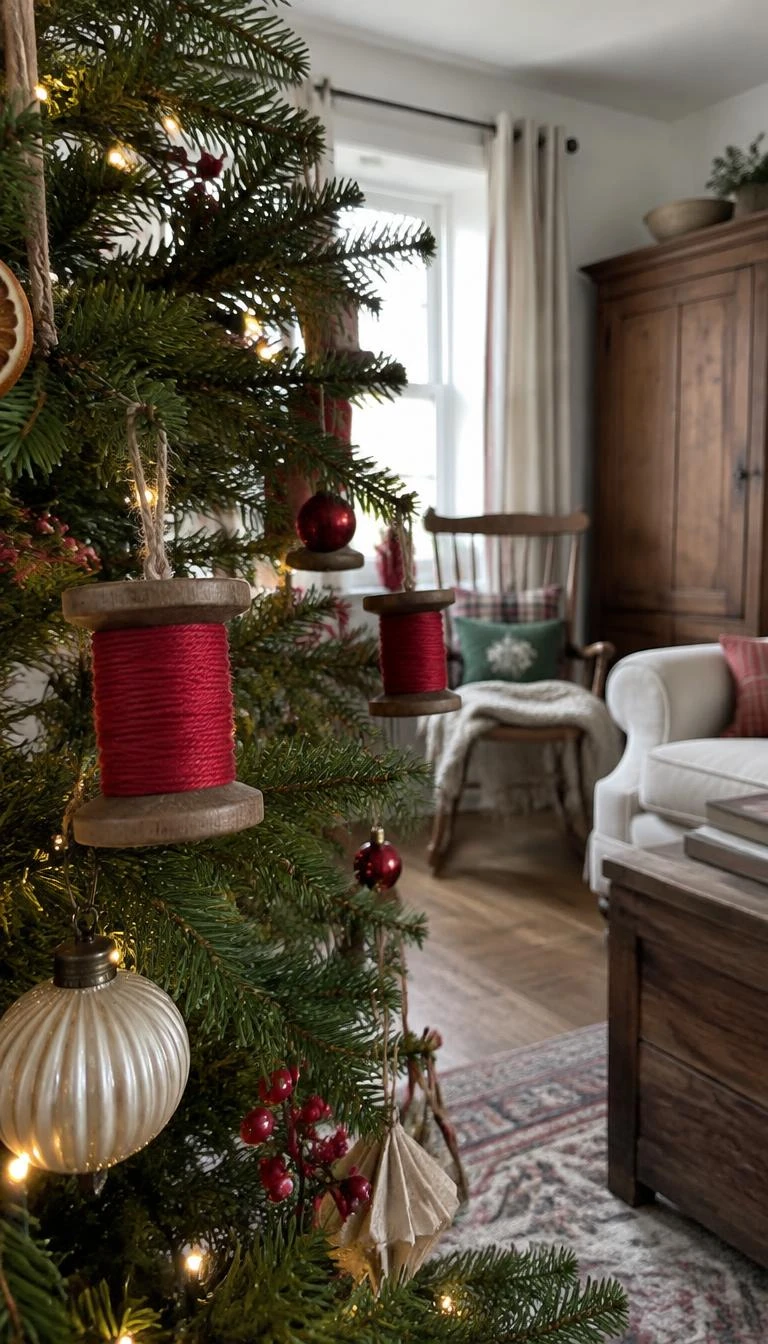
Handmade ornaments can look overly complicated. Simple utilitarian objects like vintage wooden thread spools offer clean nostalgia and solid shapes.
Gather twenty turned birch spools. Wind each with fifteen yards of thick crimson cotton embroidery thread, leaving a loose tail, then hang them by matching thread loops. Their cylindrical forms balance round baubles effortlessly.
Leave half the pale wood barrel exposed on each spool. The contrast between raw timber and red thread creates graphic rhythm across mid-level branches.
Group Gilded Walnut Shells on Slender Silk Cords
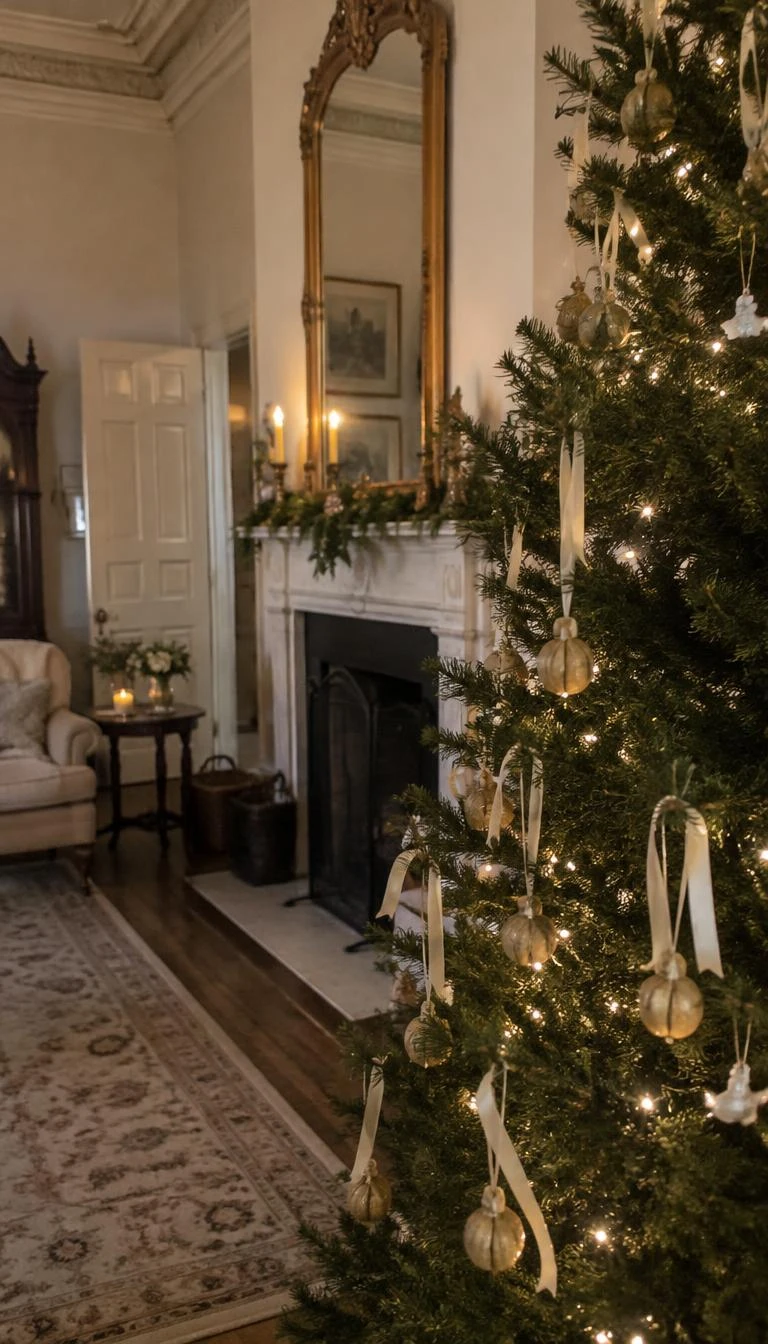
Plastic metallic ornaments often feature harsh, mirror-like tones. Hand-gilded natural walnuts introduce authentic seventeenth-century holiday tradition to your branches.
Split English walnuts carefully, remove nut meats, glue the halves back together with a loop of cream silk cord inside, and apply soft gold leaf. Hang thirty shells evenly across the inner branches where they catch golden light.
Avoid spray paint, which fills the beautiful wrinkled crevices of the shell. Dutch gold leaf leaves natural grooves intact for antique character.
Combine Cream Wax Candles with Real Clip Bases
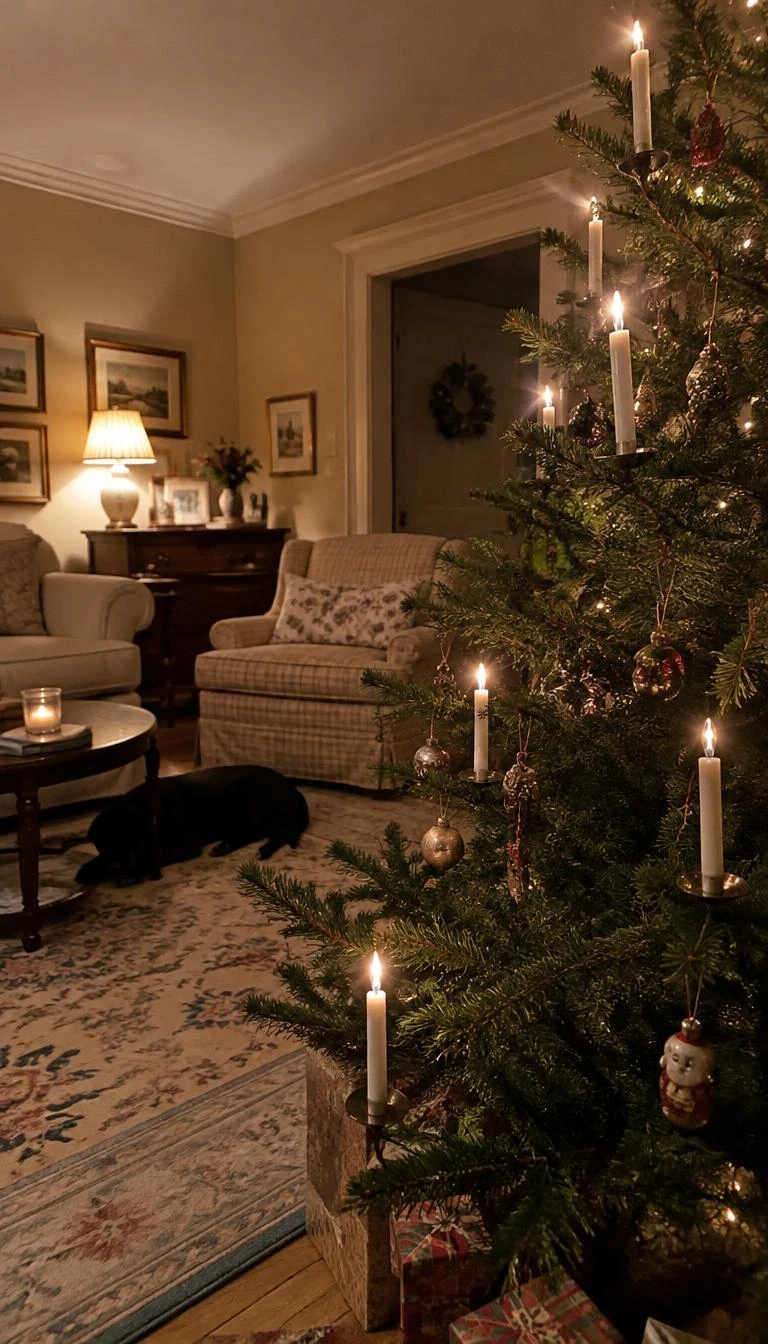
Electric strings sometimes lack the sculptural presence of candle tapers. Using decorative clip-on holders fitted with cream candles honors early holiday history safely.
Attach twenty metal counterweight clips to upright stems on the lower two-thirds of the tree. Insert unlit, four-inch hand-dipped beeswax tapers into each socket, checking that each candle stands strictly vertical.
Never light real candles on an indoor Christmas tree. Keep them strictly decorative, letting the warm cream wax provide historic vertical accents among horizontal boughs.
Feature Pressed Tin Filigree Medallions
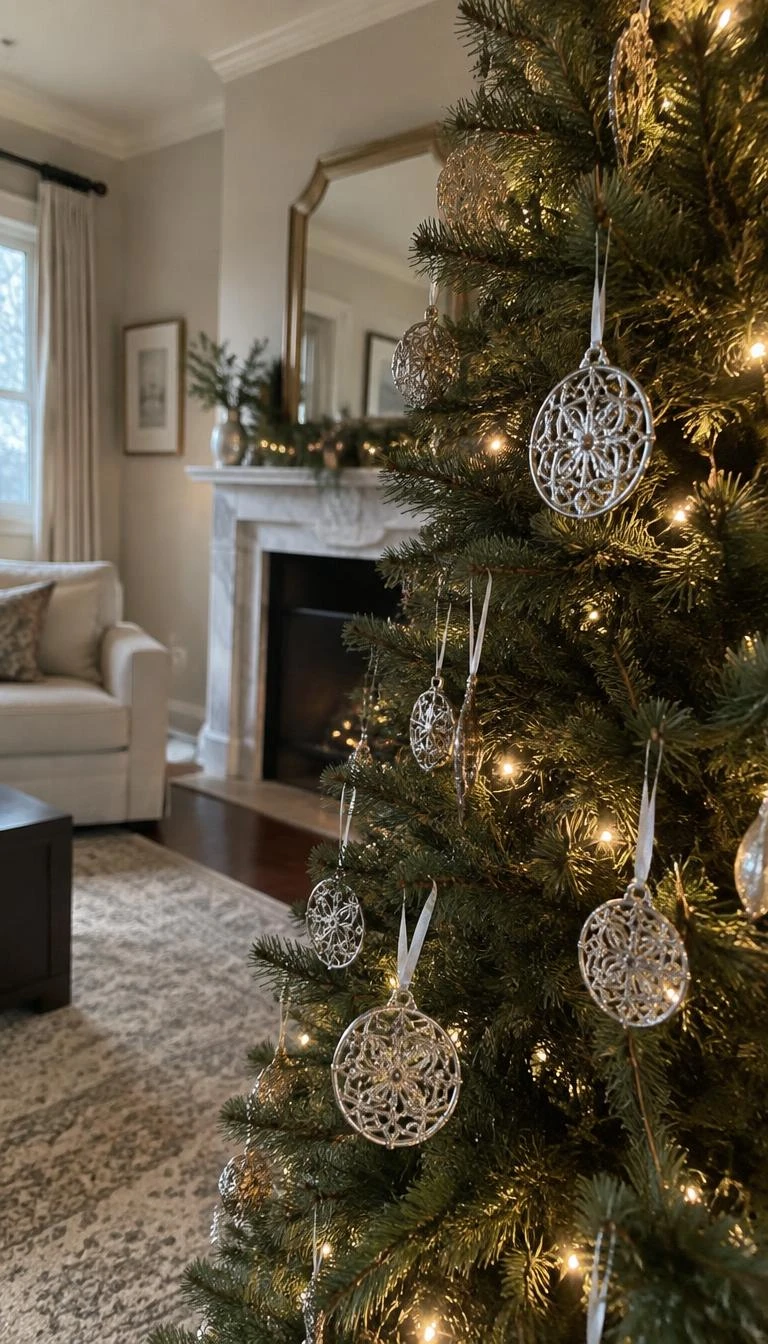
Flat paper ornaments can wilt under tree warmth, while cast metal feels excessively heavy. Pressed tin filigree brings airy lace patterns in sturdy metalwork.
Suspend sixteen three-inch round or diamond tin medallions midway along prominent boughs. Use transparent fishing line so the ornaments appear suspended within the foliage. Light passes through the cutouts, casting sharp branch silhouettes.
Choose an antique pewter or dull silver finish rather than high polish. The filigree detail reads clearly against the dark fir needles without glare.
Scatter Frosted Glass Acorns Across Lower Branches
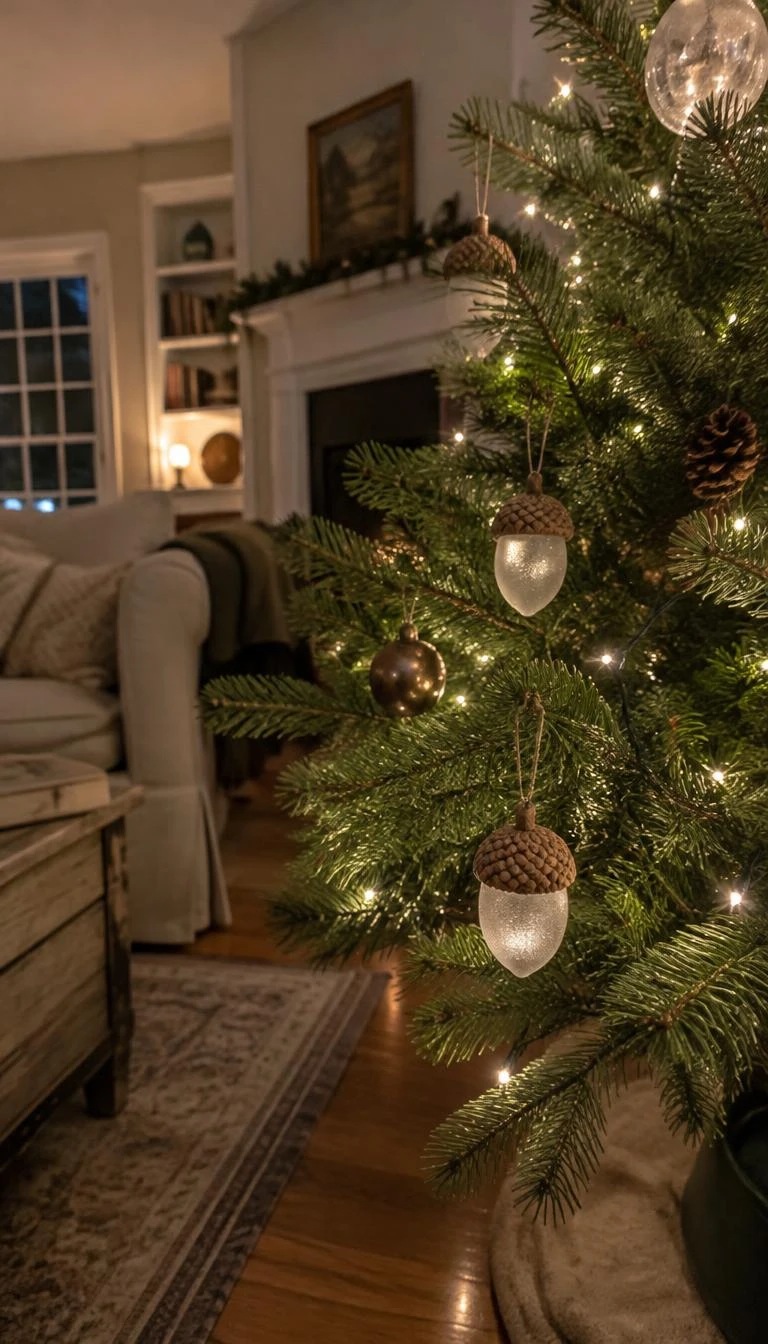
Oversized globes at the base of a tree can appear clunky and disproportionate. Acorn-shaped ornaments offer woodland elegance while staying scaled to real forest floors.
Select twenty-four glass acorns featuring frosted amber or smoky glass bodies and natural textured caps. Hang them primarily along the bottom tiers where branches are broad and wide. I like the unexpected woodland scale near the floor.
Secure them with short wire loops rather than long ribbons to prevent drooping. They mimic falling nuts caught on lower needles.
Weave Unfinished Split Oak Baskets as Tree Pockets
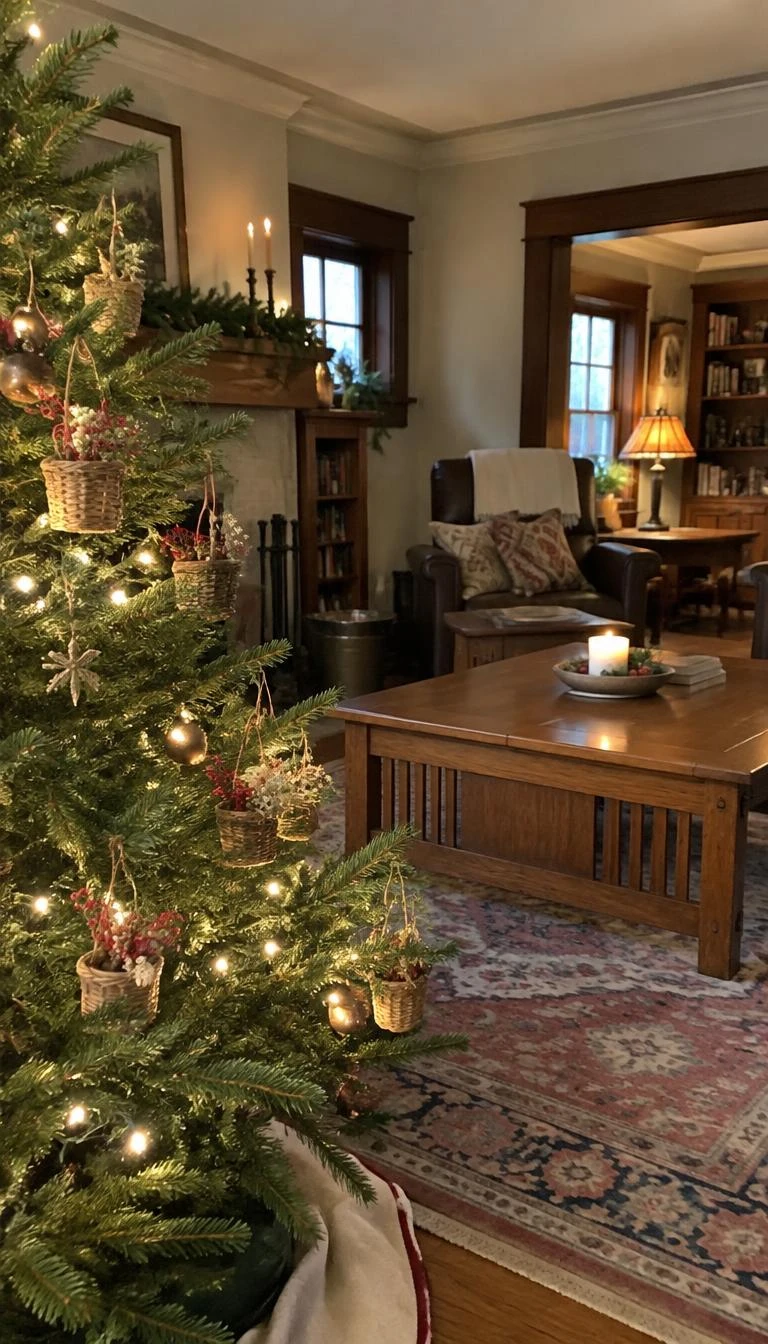
Hanging ornaments solely by strings can feel repetitive across eight feet of tree. Mini split-oak or sweetgrass baskets sit comfortably on wide bough forks.
Tuck ten three-inch woven gathering baskets securely between primary branch joints. Fill each basket with two dried rosehips or a sprig of preserved cedar before nestling them into place. The woven wood texture breaks up glossy glass.
Ensure each basket sits flat so contents do not spill. Their pale ash hue complements natural pine bark smoothly.
Incorporate Etched Mirror Starburst Ornaments
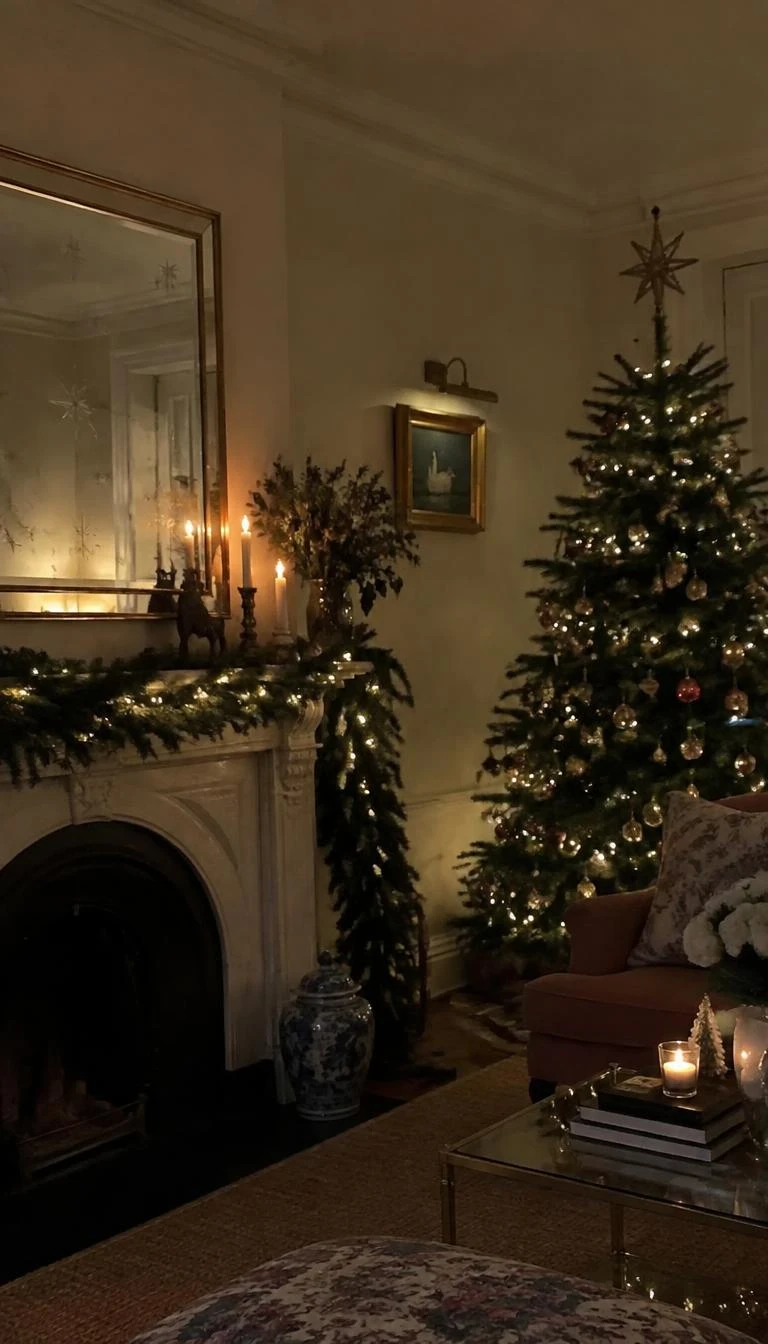
Modern LED fairy lights can look cold if unreflected. Etched antique mirror stars bounce gentle pinpoints of light around the room without flashy movement.
Hang twelve four-inch mirror medallions evenly across the outer edge of the tree at chest height. Position each ornament so an incandescent bulb sits two inches above its beveled edge. The silvered backing multiplies the glow quietly.
Avoid pristine, modern mirror glass. Slightly oxidized, foxed antique mirror panels produce a much softer, historically accurate reflection.
Drape Thick Natural Cotton Roving as Gentle Snow Rifts
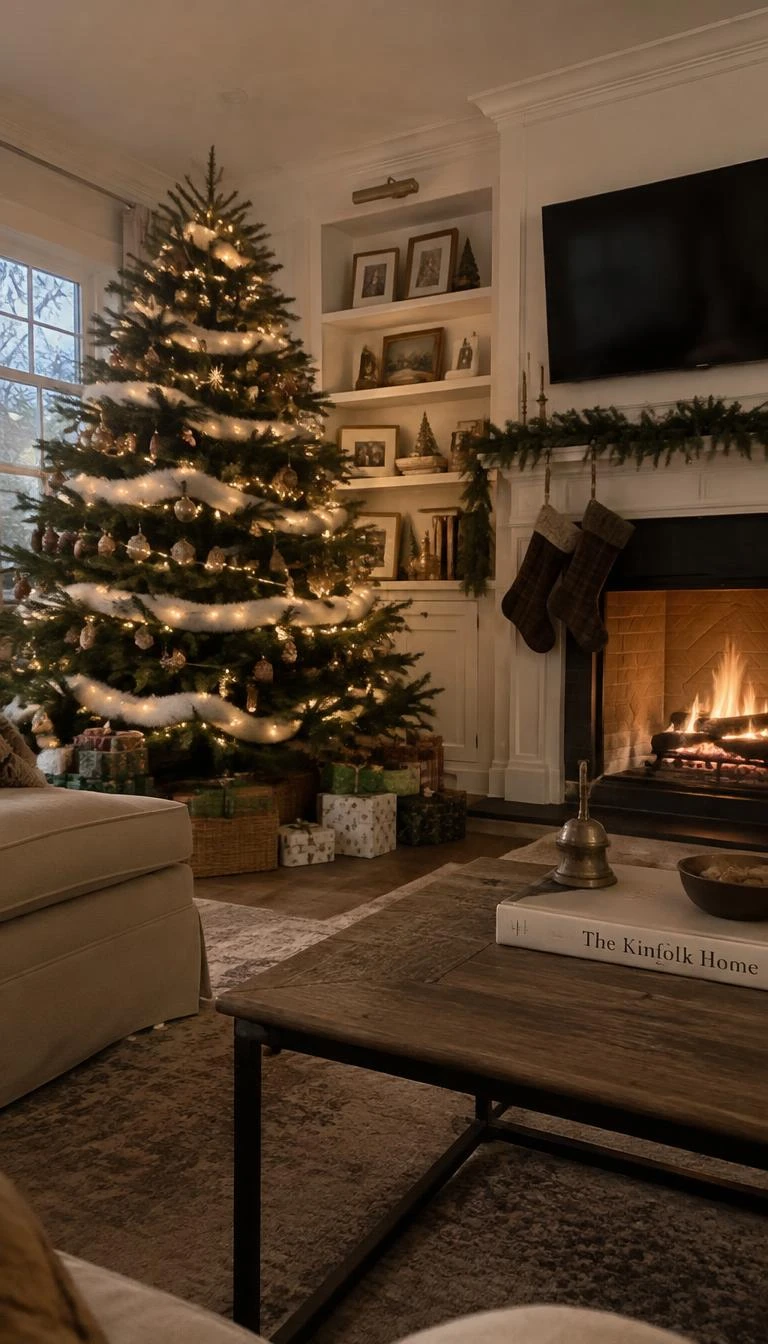
Chemical flocking sprays damage natural branches, smell harsh, and drop synthetic flakes. Raw, unspun cotton roving recreates the soft look of fresh snowfall cleanly.
Pull strips of unspun natural white cotton into loose, airy two-foot clouds. Lay them lightly across the top surfaces of horizontal branches, letting them settle between needles without wrapping or packing. The fiber stays put through natural friction.
Use sparingly rather than covering every bough. Cotton should rest only where real snow would naturally settle outdoors.
Display Turned Maple Wood Finials Painted in Milk Paint
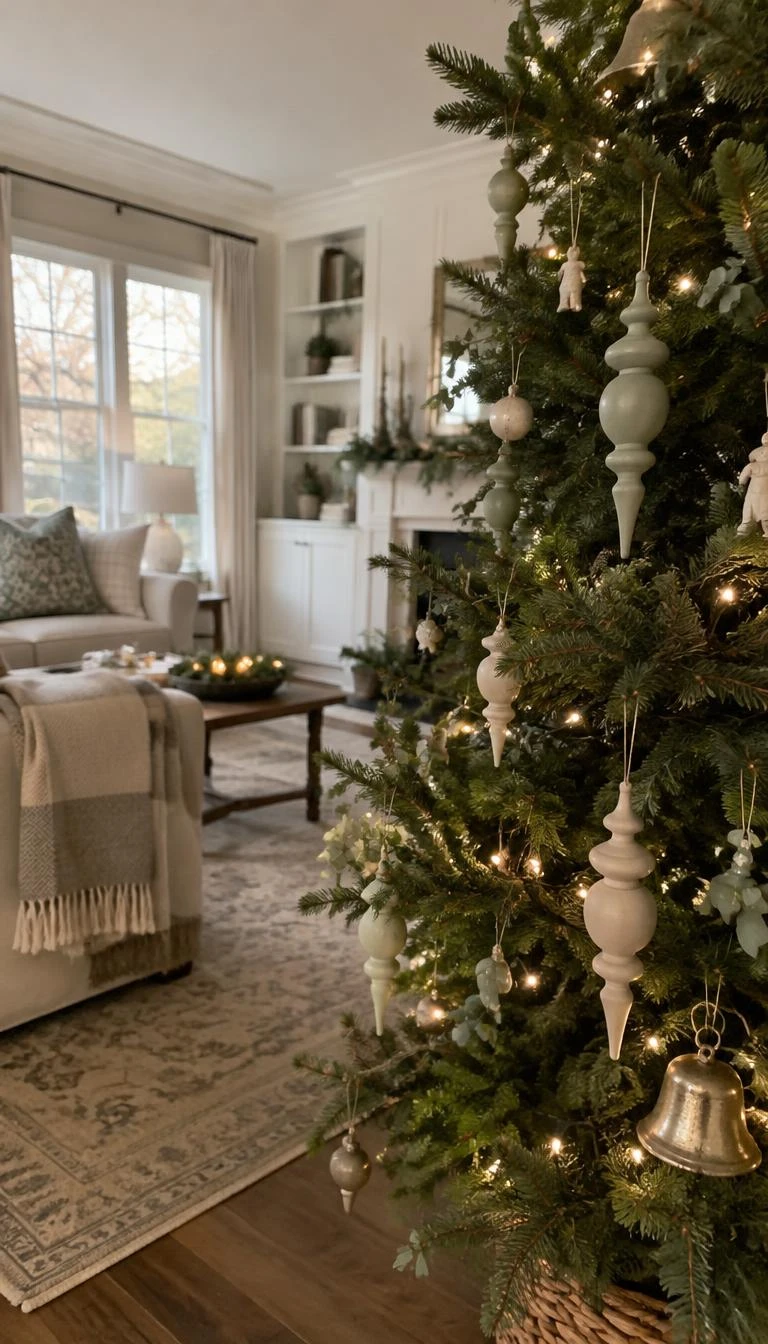
Plastic drop ornaments lack texture and chip easily over time. Hand-turned wooden finials coated in dead-flat milk paint offer historic Shaker appeal.
Select sixteen six-inch slender wood drops finished in chalky buttermilk or muted sage paint. Hang them strictly on the lowest branch tips where their vertical length has space to drape without crowding lower needles.
Avoid high-gloss polyurethane seals over the paint. The dry, powdery milk paint texture softens harsh light reflections from neighboring tree bulbs.
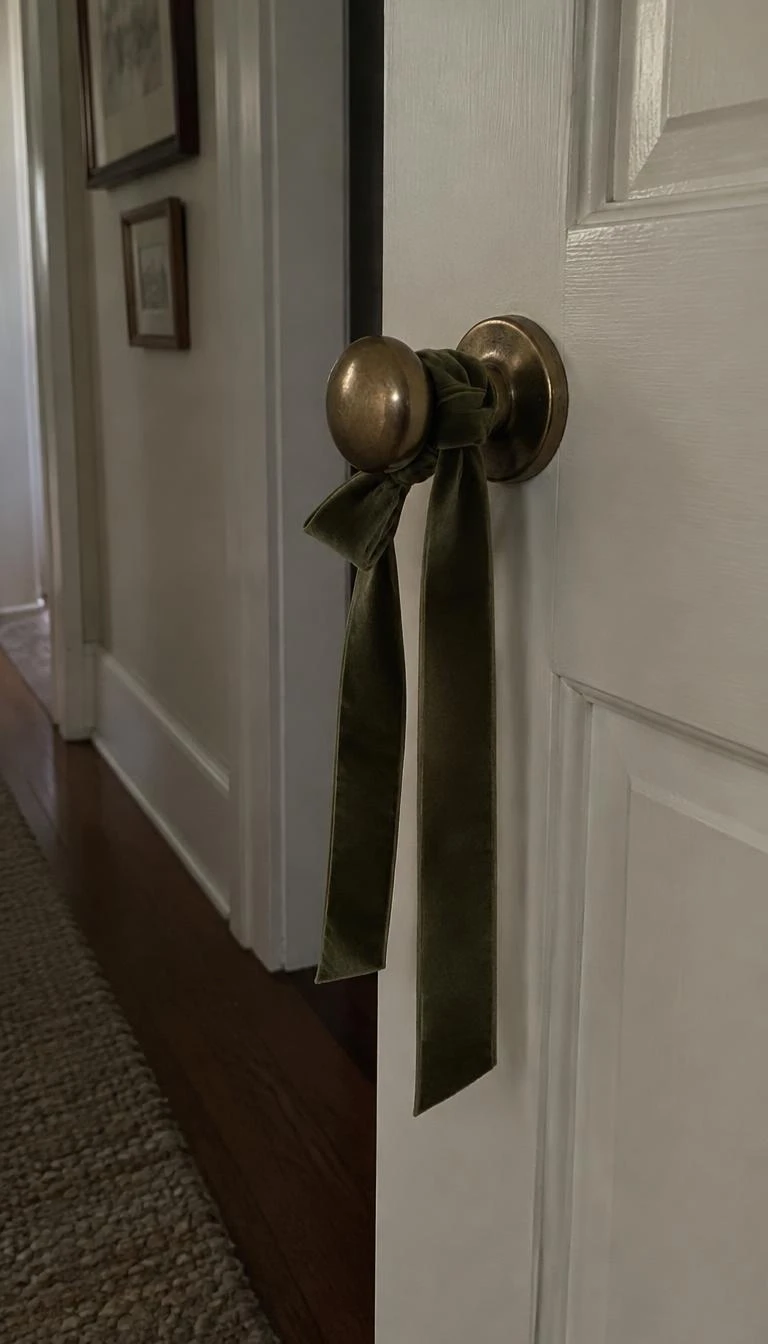
Crown the Tree with an Unwired Muted Velvet Bow
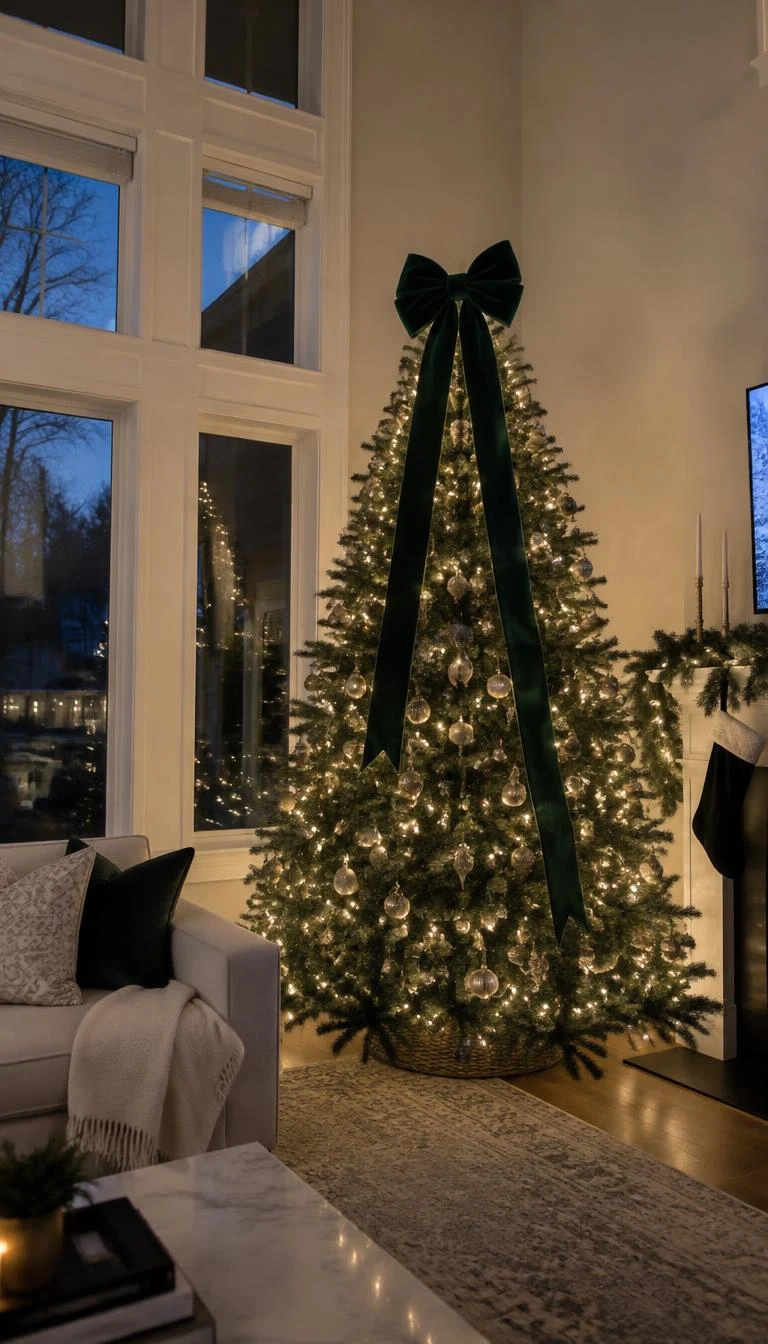
Heavy wire angels or bulky illuminated stars can strain top leaders and bend tree tops awkwardly. A long velvet ribbon bow forms a graceful, fluid summit.
Choose three-inch wide double-faced velvet ribbon in moss green or antique gold. Tie a loose bow with eight-inch loops and four-foot tails, wiring it directly behind the central leader branch so tails spill down through the foliage.
Skip ribbons with stiff plastic backings. Let the velvet drape naturally down the sides, guiding the eye effortlessly through the whole tree.