20 Christmas Porch Decor Ideas That Welcome Guests in 2026

When you plan Christmas porch decor ideas in 2026, a restraint of materials often creates a stronger welcome than an abundance of plastic novelties. A porch looks best when it feels connected to the winter landscape around it. Restful colors, fresh clippings, and honest textures help an entry look grounded rather than crowded.
Balance comes from combining sturdy architectural elements with living foliage and soft outdoor lighting. By working with cedar boughs, muted metals, warm wools, and matte pottery, you give your doorstep seasonal presence that lasts well past New Year’s Day.
Below are 20 ideas you can adapt to your own home, whatever your architectural style.
Hang Asymmetrical Cedar Garlands Around the Doorframe
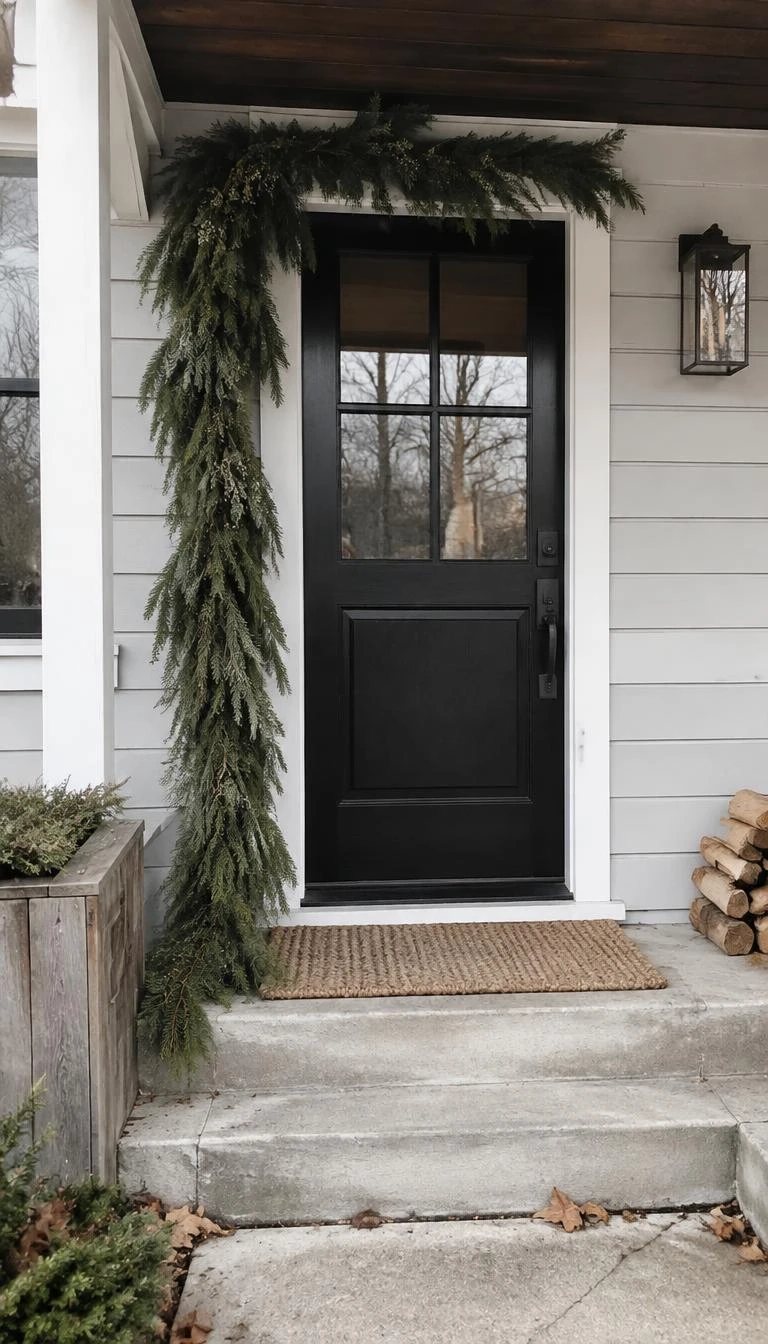
Draping greenery unevenly feels more natural than pinning identical swags on both sides. A thick rope of western red cedar looks relaxed when it cascades down one side of the casing and stops midway across the header.
Secure five inch screw eyes directly into the exterior door trim. Wire fresh cedar branches together in loose ten inch bundles, then bind them tightly along the hanging cord. Let the bottom sweep loosely near the floorboards.
The secret is keeping the foliage full where it turns the top corner. Thin spots show hardware instantly. The arrangement looks relaxed against dark painted brick or natural siding.
This post may contain affiliate links. As an Amazon Associate I earn from qualifying purchases. If you choose to make a purchase, I may earn a small commission at no extra cost to you.

Fill Terracotta Planters With Bare Birch Poles and Spruce
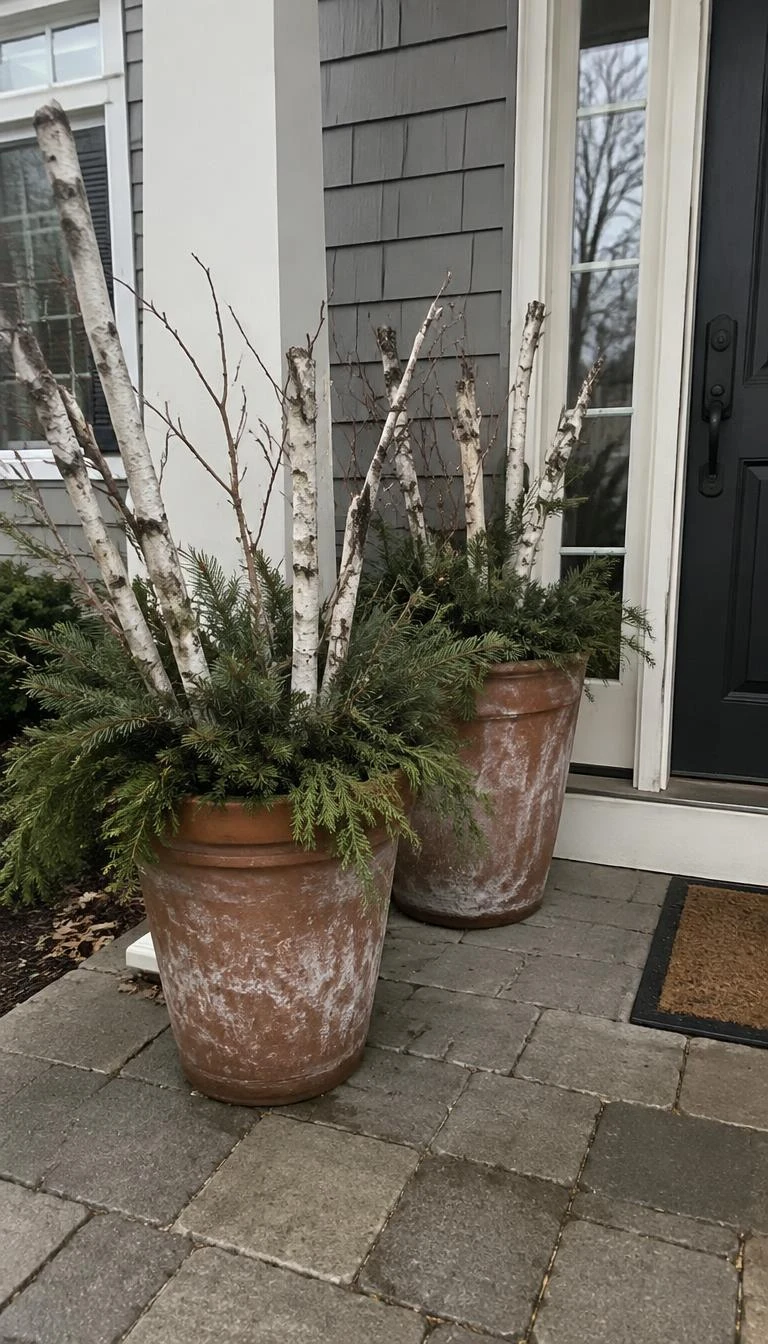
Empty summer planters become winter anchors when packed with vertical timber and clipped conifer. Birch brings crisp white contrast against gray stone, while spruce supplies a rich base that holds moisture in the soil.
Push three birch branches, cut four feet tall, firmly into leftover potting soil. Pack dense fraser fir or white spruce trimmings around the stems until no dirt shows. Water the container thoroughly before the ground freezes solid so the branches remain locked in place.
Avoid painted artificial poles. Raw tree bark offers the honest texture winter demands.


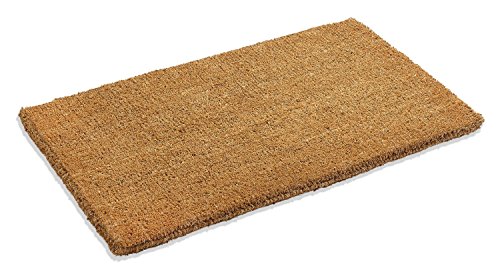
Layer a Plain Coir Mat Over Flatweave Wool Plaid

A single doormat looks small against a wide front step. Layering an understated woven wool flatweave beneath a natural coir mat widens the threshold and gives the floor visual weight.
Choose an outdoor runner in muted forest green, navy, or charcoal check. Place a two by three foot stiff coir mat centered on top. Keep the border visible by four to six inches on each side.
I prefer wool blends that sit completely flat. Curling edges catch guest shoes and ruin the clean lines of the entryway.

Group Brass Lanterns With Real Pillar Candles on the Steps

Symmetry often feels stiff on front steps. Staggering three solid brass lanterns of varying heights on one side creates a warmer progression toward the door.
Select lanterns between twelve and twenty four inches in height, finished in unlacquered or antique brass. Insert thick, unscented wax pillar candles with wind guards. Light them just before guests arrive at dusk for authentic flicker.
The mistake is spreading lanterns evenly along every single riser. Clustering them together produces a single, generous pool of golden light that feels deliberate.


Suspend Oversized Matte Jingle Bells from Olive Velvet Ribbon

A cluster of heavy iron bells makes a pleasant alternative to a standard door wreath. Metal catches the soft winter sun, and the slight movement sounds welcoming in a quiet breeze.
Thread three distinct bells onto two inch wide olive green ribbon with wire edges. Knot the ribbons at staggered lengths so the bells nestle together without clashing violently. Anchor the assembly to the door knocker or an overhead hook.
Choose raw iron or distressed gold rather than polished shiny brass. Weathered metals settle easily into winter weather.


Flank the Front Door With Slender Potted Norfolk Pines

Norfolk island pines bring delicate, feathery needles that differ from common heavy evergreen branches. Placed symmetrically by the entrance, they create graceful vertical structure without blocking sightlines.
Plant two four foot pines in heavy stoneware pots that will not blow over in stiff wind. Cover the soil surface with sheet moss to hold in moisture and conceal potting mix. Leave the branches entirely unadorned so their fine silhouette remains clear.
This treatment works especially well on sheltered porches protected from harsh freezing rain.


Drape Heavy Cable Knit Throws Across a Wooden Bench

A bare porch bench can look cold and abandoned throughout December. Draping a thick wool or heavy knit blanket softens the hard edges of outdoor furniture.
Fold a cream or oatmeal cable knit throw lengthwise, then drop it casually over the back rail of a wood settle. Add an outdoor pillow covered in washed charcoal linen. The fabric immediately communicates warmth before guests step inside.
Bring fabrics indoors during wet snowstorms. Clean textiles should always look dry and ready for use.

Stack Muted Heirloom Squash Beside Evergreen Boughs

Winter squashes bridge late autumn and the Christmas season with subtle slate and sage tones. They replace expected bright red berries with something grounded in the pantry.
Tuck three Jarrahdale pumpkins or blue hubbard squashes into the nook beside the door. Tuck cedar clippings, bare twigs, and sugar pinecones around the base of the produce to hold everything firm.
I find this arrangement thrives best against stone or raw timber steps. The dusty rind colors echo natural rock textures beautifully.


Hang a Single Wild Juniper Wreath With Loose Berries

Tightly bound wreaths can look commercial and flat. A wreath fashioned from wild juniper branches shows loose, wiry stems and dusty blue fruit that feels gathered by hand.
Start with an open grapevine frame. Wire small sprays of juniper loosely, allowing branch tips to shoot outward unpredictably. Finish with a simple tie of raw flax twine at the top center.
Avoid adding bows, faux frost, or glitter. The dusty blue berries against blue green needles provide all the character the door requires.


Line the Porch Railing With Battery Powered Clip on Taper Lights

Strings of fairy lights can look chaotic along balusters. Individual taper lights clipped to top rails evoke traditional tree candles with clean architectural rhythm.
Clip twenty battery powered wax tapers at eight inch intervals across the balustrade. Set the built in timers so they activate simultaneously at sunset. Choose soft amber diodes that mimic genuine candle flames rather than cool bright LEDs.
This layout flatters historic homes with classic railings. The porch railing reads as a continuous line of quiet candlelight across the yard.

Arrange Vintage Metal Sap Buckets Filled With Pinecones

Old galvanized sap buckets bring dull zinc tones that pair well with dry forest finds. They offer simple volume without the expense of commercial urns.
Collect large ponderosa or sugar pinecones from the woods. Fill two five gallon galvanized buckets right to the rim, letting several cones tumble onto the deck boards. Tuck a few fragrant eucalyptus stems into the back of each pail.
The key is avoiding scented craft store pinecones. Natural forest material possesses an authentic woody scent that cold air carries gently.


Frame the Entryway With Clipped Magnolia Leaf Swags

Magnolia grandiflora leaves provide rich contrast with their polished green faces and copper velvet undersides. They look substantial where delicate pine needles get lost.
Wire paired stems together, flipping alternating leaves backward so the rusty suede reverse faces outward. Hang the garland straight across the lintel above the casing. Spray the leaves lightly with an anti desiccant spray to keep them supple.
This method looks stately on white colonial or neoclassical front porticos. The leaves hold their shape through weeks of cold wind.

Place an Antique Sled Beside Weathered Clay Pots

Old winter equipment has honest craft that modern reproductions rarely match. An aged wooden sled leans casually against an exterior corner without feeling overly staged.
Find an ash wood sled with aged iron runners. Prop it vertically against the house siding, next to two stacked empty terracotta pots from the summer garden. Wind a short coil of hemp rope across the steering bar.
Do not paint the wood or add painted lettering. The worn patina and scratches tell the seasonal story far better than words.

Wrap Porch Columns in Untrimmed Fraser Fir Roping

Columns often look rigid when wrapped tightly like barber poles. A loose, wide pitch wrap lets both the architecture and the foliage breathe together.
Purchase fresh fraser fir roping that measures at least six inches in diameter. Anchor the top with green floral wire, then spiral the bough down the column in three wide passes. Fasten the base securely against winter winds.
I like this application best on white or pale square pillars. The deep fir needles bring out the crisp geometry of the woodwork.

Cluster Frosted Glass Globe Lights in Woven Willow Baskets

Lighting placed close to the floor provides a soft foundation for the entire porch. Hiding light sources inside natural baskets softens their beam into a warm lantern effect.
Take a broad, shallow woven willow basket and set it in a dry corner of the porch. Place battery powered frosted glass orbs inside in groups of three or five. Set them to a low warm glow for evening illumination.
Avoid clear shiny bulbs here. Frosted surfaces diffuse light broadly, avoiding harsh glare on dark winter nights.


Hang a Cluster of Iron Cowbells on a Natural Hemp Rope

Rough cowbells add rustic agricultural character to an exterior corner. Their hammered metal finish contrasts neatly against clean modern siding.
Thread three antique style iron bells onto half inch thick hemp rope. Tie secure square knots between them so they hang at intervals of six inches. Hang the finished rope from a simple wrought iron bracket on the wall.
Check that the clappers ring with a deep thud rather than a tinny rattle. Weighty iron produces a quiet sound that suits peaceful winter days.


Place Galvanized Tub Planters Packed With Dwarf Conifers

Living evergreen shrubs can stay outside all season and survive the deepest chill. Planting them in wash tubs brings an honest utilitarian touch to the front entry.
Drill drainage holes in two vintage galvanized tubs. Fill them with well draining potting soil and plant dwarf Alberta spruce or mugo pines. Cover the root balls with bark mulch to protect roots against frost heave.
The conical shape of dwarf spruce provides neat structural definition. They anchor the porch corners with green presence until spring arrives.


Display a Simple Wood Slat Crate of Dried Orange Slices and Cinnamon

Dried citrus brings natural warmth and amber translucence to winter daylight. Paired with rough timber, it offers a gentle nod to historic kitchen traditions.
Take an unpainted slatted fruit crate and set it near the entryway bench. Fill the bottom with cedar sprigs, then layer dried orange rounds, bundled cinnamon sticks, and star anise pods loosely across the top. The materials look rich in direct sunlight.
Shelter the crate beneath an overhang. Moisture ruins dried fruit quickly, so keep it well protected from falling snow.




Install Soft Amber Fairy Lights Inside an Architectural Pediment

Concealing lights within existing molding keeps the porch looking tidy while still providing festive glow after dusk. The light reflects off trim paint instead of shining directly into guest eyes.
Use thin copper wire micro lights with warm amber LEDs. Run the strand along the inner lip of the overhead door pediment or transom frame, tacking it with clear cable staples. Keep the cord invisible from the street.
This subtle detail works wonders on historic properties. The architecture shines through without being overwhelmed by bulbous strands.

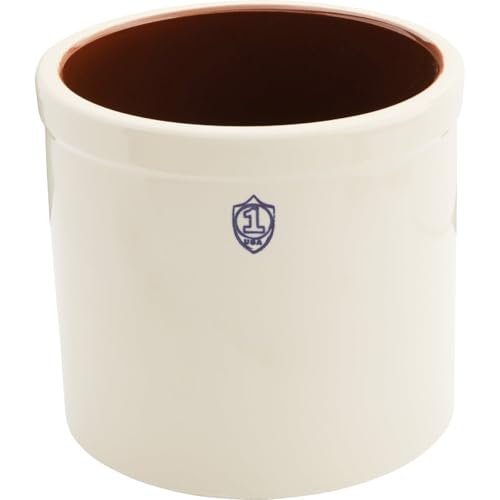
Set Out Stoneware Crocks Stuffed With Blue Spruce Branches

Heavy salt glazed stoneware pottery holds up outdoors and withstands wind without tipping over. The cool gray ceramic body pairs naturally with the silver tones of blue spruce.
Source five or ten gallon stoneware crocks with simple cobalt markings. Gather fresh clippings of blue spruce, white pine, and incense cedar, cutting them roughly three feet long. Stand the branches upright inside the crock in a dense fan.
Add a few inches of gravel to the base of the crock for extra stability. The silver needles look crisp against the gray clay finish.