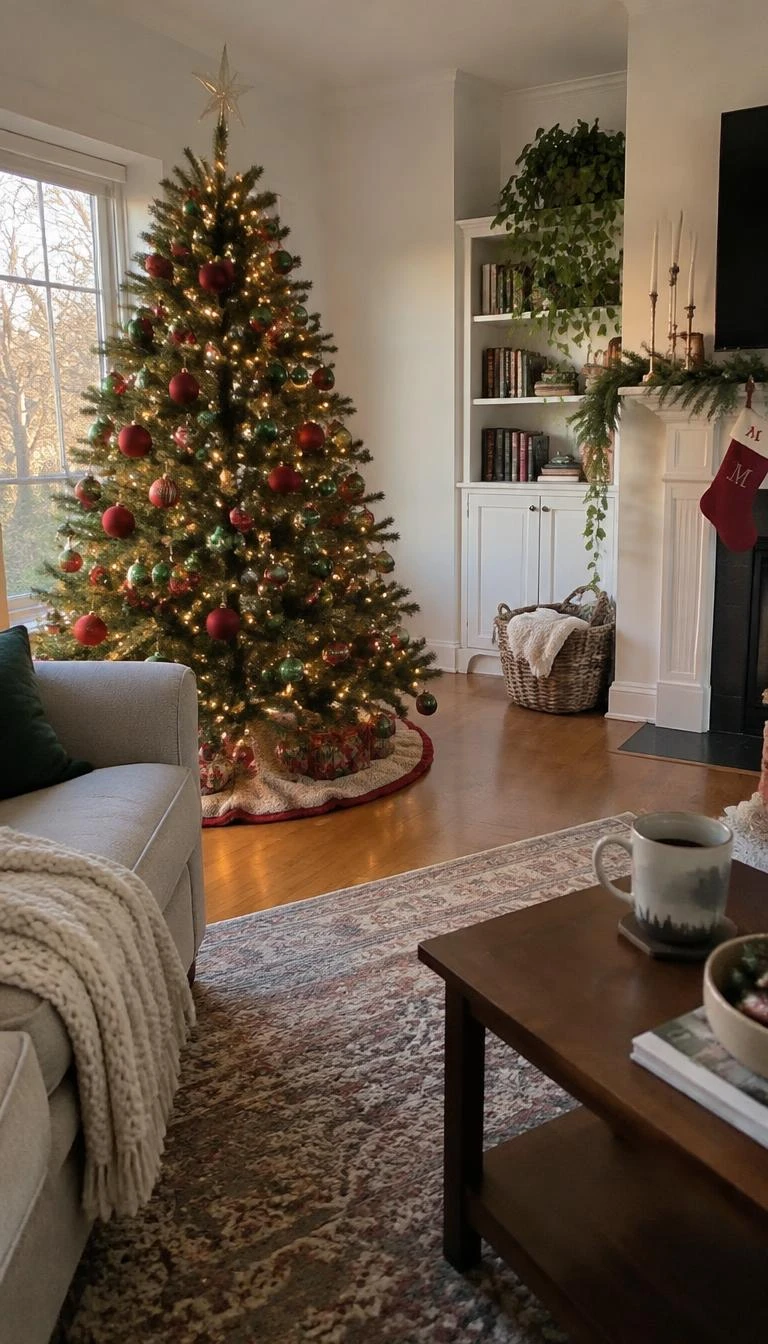
23 Christmas Tree Decor Ideas That Bring Quiet Elegance in 2026

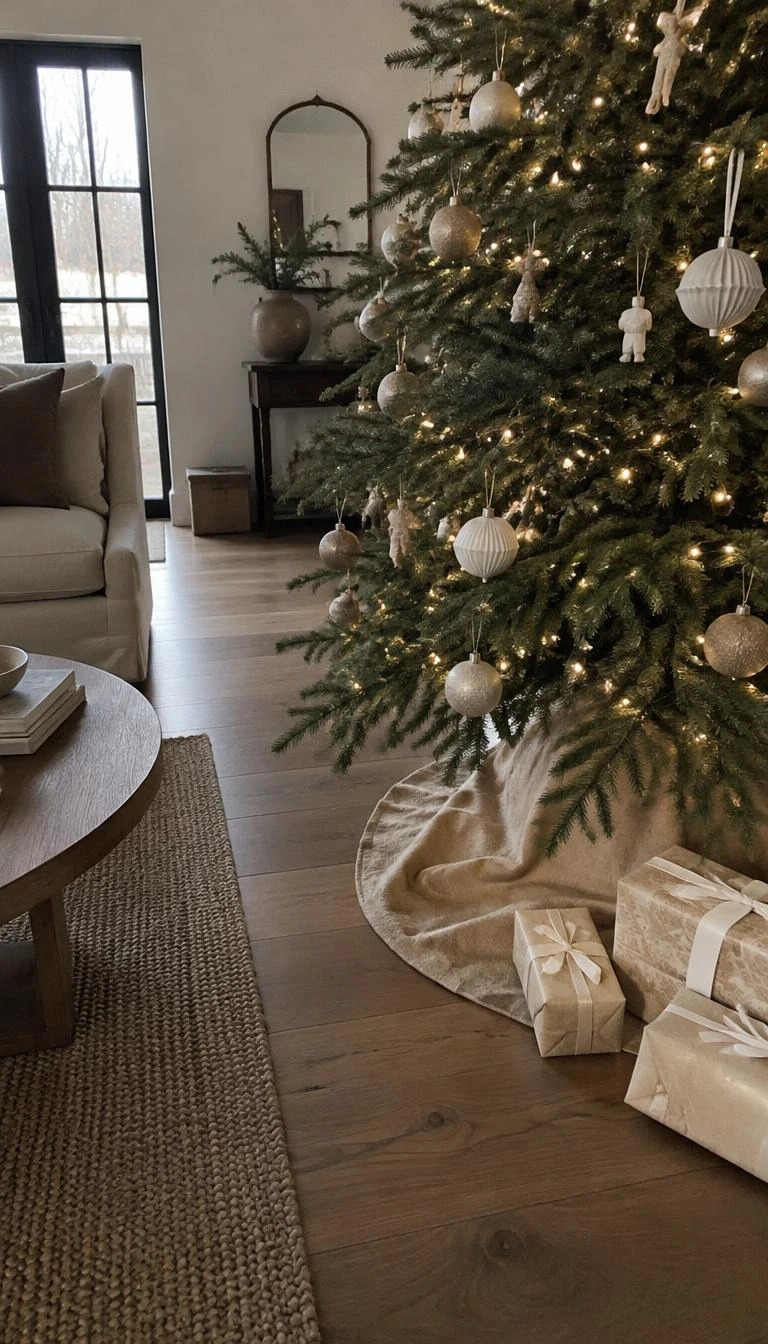
Every winter brings an urge to cover branches in excessive glitter, yet thoughtful Christmas tree decor ideas in 2026 show that restrained choices create a far more welcoming atmosphere in your living space. Paring back the visual noise lets the natural shape of the pine take center stage.
Real balance comes down to weight, finish, and light placement. Mixing hand pressed metals, soft cotton bands, and muted earth pigments produces an arrangement that looks gathered over years rather than pulled from a single crate. Soft white wiring and varied scale keep the layers legible.
Below are 23 ideas you can adapt to your own home, whatever your style.
Layer Paper Chains Made from Heavy Flax Linen Paper
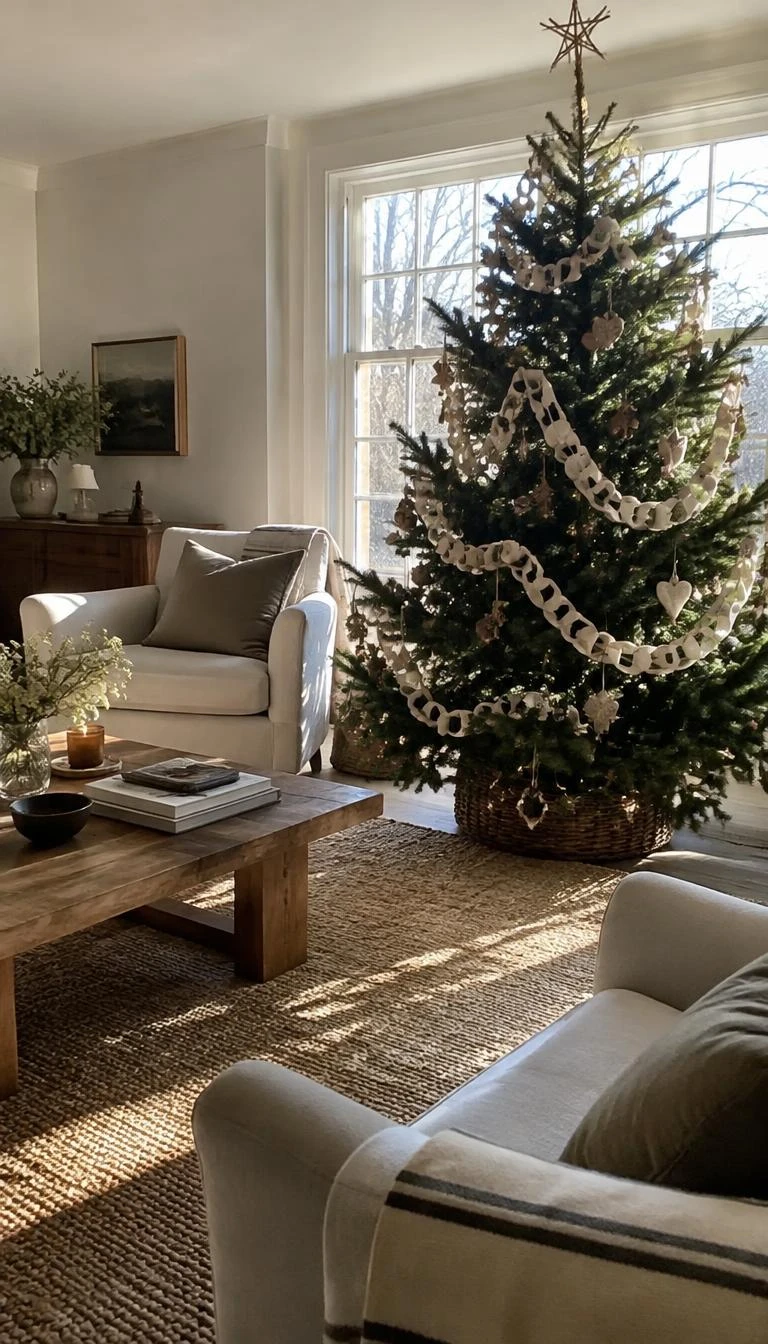
Bright construction paper chains often read as temporary school projects. Swapping them for thick flax linen paper strips turns a familiar childhood craft into an intentional design element with rich texture.
Cut warm cream paper into strips one inch wide by seven inches long. Glue the links with simple archival paste, forming six foot lengths that drape across middle boughs.
The key is leaving slack in each loop so the links rest gently across pine needles without snapping under tension. Paper elements work best in drier, warm living rooms away from drafty exterior doors.
The matte cream surface absorbs light softly, creating quiet contrast against dark green needles.
This post may contain affiliate links. As an Amazon Associate I earn from qualifying purchases. If you choose to make a purchase, I may earn a small commission at no extra cost to you.


Hang Antiqued Brass Bells in Asymmetrical Clusters

Uniform spacing around a tree tends to look stiff. Clustering two or three tarnished brass bells on select side branches gives the foliage an organic, lived in rhythm.
Select bells ranging between two and four inches tall, tied with brown hemp cord. Fasten them in three distinct zones across the tree instead of scattering them all around the perimeter.
I especially like this in a bright room where natural light catches the dull metal patina during the day. Do not polish the metal before hanging. The aged, darkened surface is what keeps the arrangement grounded.
A gentle clink sounds whenever someone brushes past the branch.

Select Warm Amber Glass Instead of Clear Baubles

Clear glass ornaments easily disappear among the foliage or produce harsh glares under direct electric light. Warm amber globes filter light into honey tones that instantly warm up the entire corner.
Hang three inch mouth blown glass spheres roughly six inches inward from branch tips. Twenty to thirty globes provide ample glow on a seven foot tree when placed near warm white string lights.
Avoid painted amber finishes that scratch away easily. Solid colored glass retains its depth under every lighting condition.
Rooms with pale plaster walls and light oak floors gain immediate warmth from this golden tint.

Drape Slender Velvet Ribbons with Tailored Knots

Wide wired ribbon loops frequently overwhelm delicate boughs and stiffen the profile of the tree. Slender velvet ribbons let the branches bend naturally while introducing rich textile softness.
Cut half inch velvet ribbon in moss green or rich walnut into twelve inch strips. Tie them into simple loose knots around outer branch tips, letting the tails hang straight down without curling.
Space forty ties across the tree from top to bottom. The key is skipping bows entirely, as plain dangling knots look far less fussy.
The fabric tails drift slightly in room air currents, adding gentle motion.

Place Textured Pressed Tin Ornaments Near the Trunk

Most people hang decorations purely on branch tips, leaving the inner core dark and hollow. Tucking pressed tin pieces toward the center trunk builds depth and reflects hidden light bulbs outward.
Collect flat punched tin stars and diamonds measuring three to five inches wide. Push them three to eight inches back into the foliage where outer ornaments leave open pockets.
Too much shiny chrome ruins the mood, so look for dark zinc or matte tinplate. This technique works exceptionally well on sparser noble fir trees with wide gaps between bough tiers.
The center of the tree begins to glow rather than looking like an empty void.

Cluster Matte Olive and Sage Spheres on Outer Boughs

Contrasting red ornaments can feel sharp and predictable against green spruce. Choosing olive and pale sage spheres keeps the palette tonal, allowing texture to take precedence over bright color contrast.
Mix matte ceramic globes in two complementary green shades across the middle tiers of the tree. Group them in pairs, placing one small two inch sphere right next to a three inch sphere.
The key is avoiding glossy coatings that reflect the room like mirrors. Matte finishes absorb brightness and feel like natural fruit or stone.
The tree looks dense, calm, and grounded even before you turn on the evening lights.

Suspend Carved Wooden Spindles from Low Branches
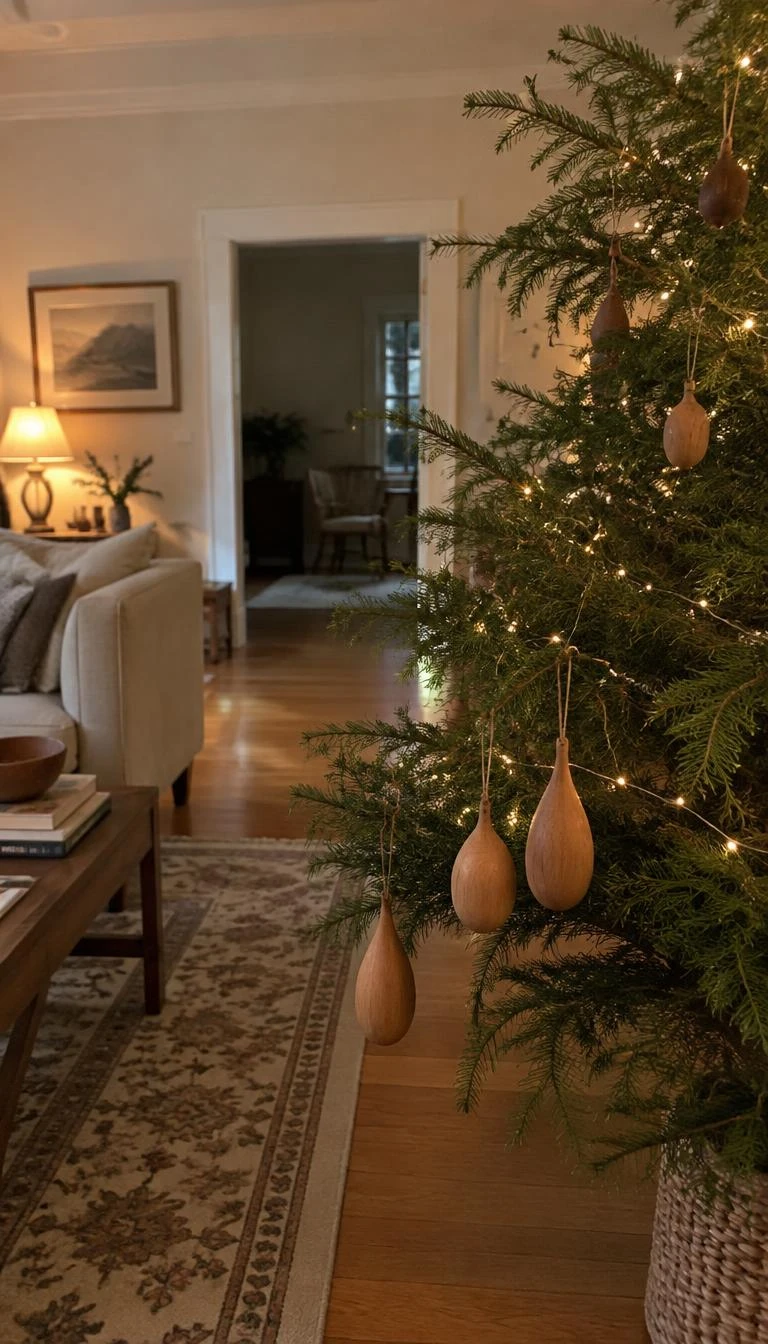
The bottom branches of a Christmas tree require weight to ground the overall shape. Carved timber teardrops and spindles provide solid mass that stabilizes the lower visual third of the pine.
Hang five inch unvarnished oak or walnut turnings from the lowest two bough rings. Ten to twelve pieces are enough to anchor the base without crowding the gifts below.
Avoid bright synthetic wood stains that show yellow tones under interior lamps. Raw or beeswax finished wood blends naturally with the trunk.
Children and pets can brush past these durable lower wooden ornaments without any worry of shattering.

Tuck Dried Hydrangea Florets Deep into the Foliage
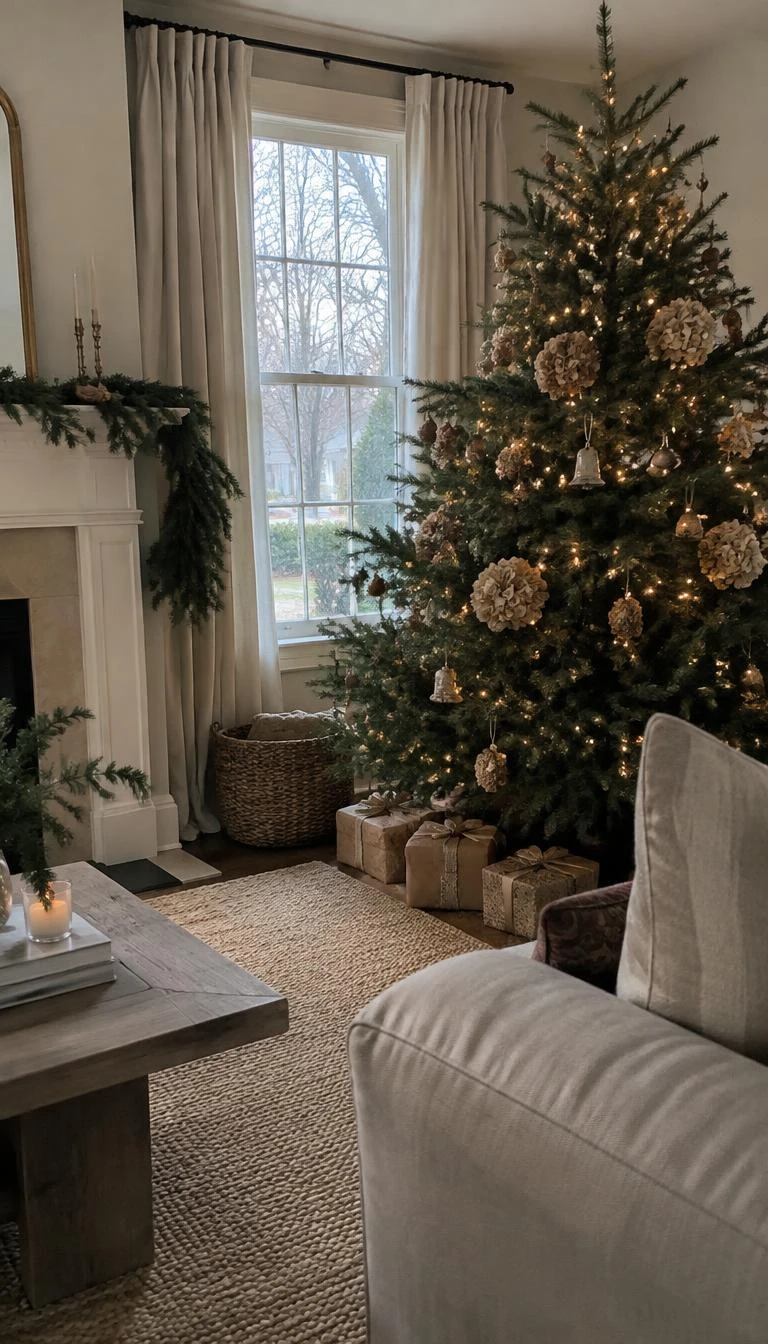
Artificial floral picks with plastic stems can cheapen an organic display. Preserved hydrangea heads offer papery petal density that softens pine needles without adding artificial sheen.
Cut dried hydrangeas gathered from late summer gardens, leaving three inch woody stems. Slide eight or ten large flower heads directly into the crooks where branches meet the main trunk.
I find pale wheat and dusty taupe blossoms blend best with green foliage. Make sure petals are completely dry so moisture does not transfer to artificial lights.
The rounded flower clusters soften the sharp, spiky outline of fir needles.

Use Beaded Wood Garlands Loosely Across Tiers

Plastic bead strands create tight, artificial lines that fight the natural growth pattern of tree branches. Strung raw birch beads carry enough weight to rest in relaxed, graceful swags across branch tiers.
Select garlands made with mixed bead sizes, shifting from half inch spheres to three quarter inch ovals. Loop them loosely across horizontal limbs, allowing each swag to dip four to six inches.
The common mistake is wrapping garlands in tight spiral coils around the tree. Draping them horizontally honors the natural tiered growth of a fir.
Light colored wood adds a clean ribbon of brightness across shadowy foliage.

Anchor the Tree Base in an Aged Terracotta Pot

Standard metal tree stands with red screws are an eyesore that traditional tree skirts barely conceal. Placing your tree stand inside a wide antique terracotta vessel conceals the mechanics with earthy dignity.
Set a heavy metal stand directly inside an eighteen inch weathered clay pot before securing the trunk. Pack clean burlap scraps around the rim to conceal the metal collar underneath.
Ensure the clay rim sits level so the tree stands upright without leaning. This base suits historic homes and rooms filled with natural stone and raw timber.
The chalky surface of aged terracotta grounds the evergreen boughs with timeless weight.

Hang Hand Pierced Metal Lanterns on Upper Limbs
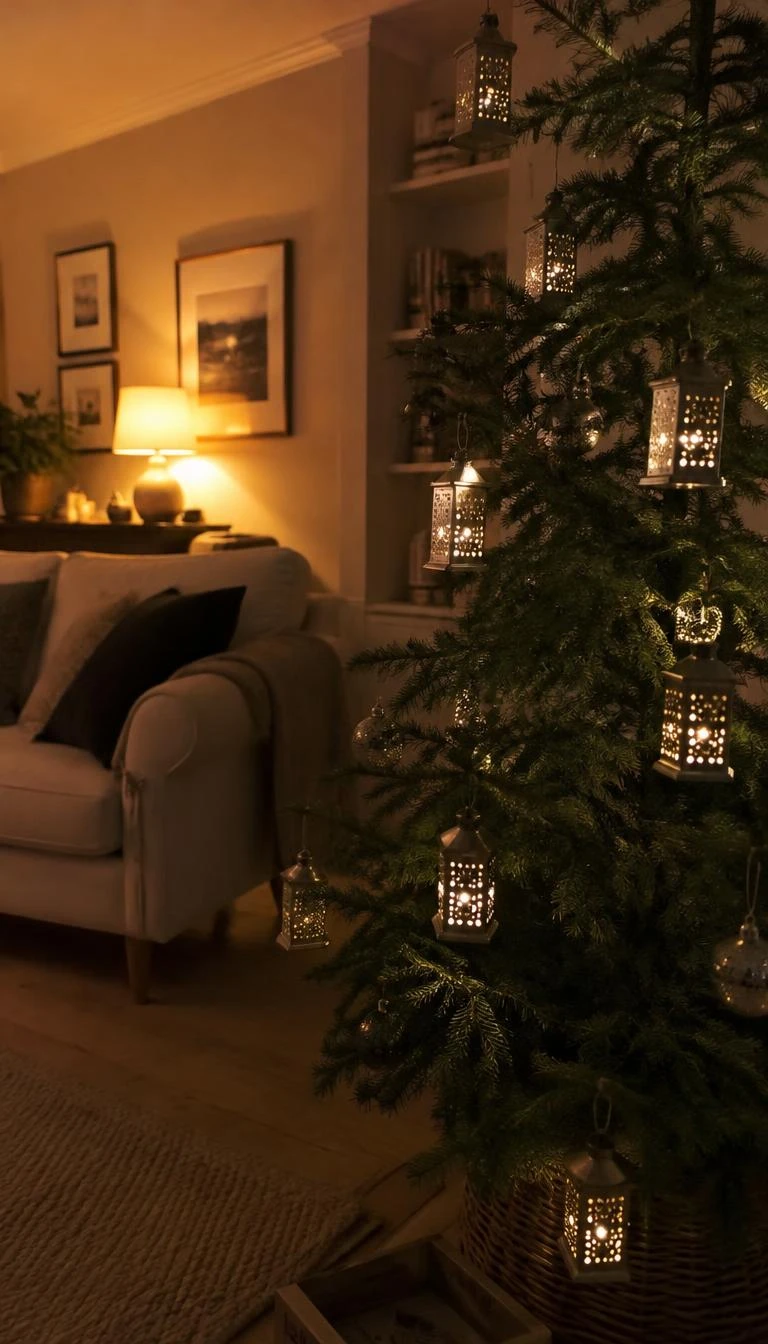
Upper branches often end up crowded with tiny baubles that clutter the narrow top of the tree. Small pierced tin lanterns introduce height and architectural detail where foliage tapers thin.
Hang four or five miniature lanterns measuring about three inches tall along the top two feet of the trunk. Position a tiny tree light bulb right inside each pierced casing.
Skip bright polished gold and pick brushed pewter or blackened steel. The tiny punched holes cast delicate pinpricks of warm yellow light across surrounding needles.
The top of the tree glows with quiet purpose instead of resting under a heavy star.

Choose Ochre and Mustard Baubles for Grounded Warmth

Standard yellow decorations can read cold or overly bright under indoor bulbs. Earthy ochre and dark mustard yellow provide golden warmth while remaining understated and rustic.
Combine smooth ceramic eggs and frosted glass rounds dipped in rich yellow ochre glaze. Hang twenty ornaments dispersed evenly across the midsection of the tree foliage.
The key is avoiding primary canary yellow shades. Earth toned pigments evoke dried citrus, fallen leaves, and winter wheat.
These tones pair comfortably with both warm bronze hardware and cool gray room accents.

Add Raw Silk Puffs to Fill Branch Gaps

Tinsel creates excessive sparkle that frequently dominates holiday photos. Small tufts of unspun raw silk offer a cloud like softness that catches light without synthetic plastic shine.
Gently pull two inch pieces from a bundle of unspun cream tussah silk. Rest them directly on upper surfaces of interior branches without using wires or clips.
Do not pull the fibers into long stringy spiderweb patterns. Keeping them in compact, airy puffs looks like fresh mountain frost caught on high boughs.
The delicate raw fibers soften deep shadows between open branch tiers.

Scatter Dark Bronze Wire Stars Across Upper Branches

Heavy tree toppers often bend the delicate leader branch at the very top of an evergreen. Scattering several airy wire stars across top branches distributes visual weight evenly without tilting the tree.
Select stars bent from thick dark bronze or iron craft wire measuring four to six inches across. Affix seven stars using thin florist wire around the upper third of the tree.
Avoid glitter coated wire that sheds specks across your rugs. Clean, dark metal lines read clearly against soft evergreen needles.
The slender frames reveal the green growth behind them while maintaining sharp structural form.

Hang Cast Pewter Stars with Natural Twine

Polished silver ornaments can feel icy and formal in a relaxed living room. Cast pewter carries a quiet, soft gray weight that pairs naturally with green foliage and worn wood furniture.
Suspend flat pewter stars measuring two inches across from short lengths of rough jute cord. Distribute fifteen stars across outer branch ends where they catch ambient room light.
The mistake to avoid is using shiny silver wire or satin ribbons to tie them. Rough brown jute balances the cool gray metal tone perfectly.
The matte metal surface develops an attractive soft sheen over years of handling.

Thread Tiny Dried Orange Slices Behind the Lights

Hanging dried fruit right on the tips of branches makes it look flat and dark from across the room. Pushing dried orange wheels behind warm light bulbs turns them into glowing stained glass discs.
Dehydrate orange wheels cut one quarter inch thick until completely dry. Fasten each slice with green wire directly behind a warm white light bulb on the inner boughs.
Make sure you use thin navel orange slices so light passes through the pulp easily. Blood oranges can turn too dark and block the bulb completely.
The fruit warms under ambient light, releasing a faint sweet scent through the room.

Place Oversized Fluted Glass Finials on Lower Boughs

Using the same size ornament from top to bottom makes a large tree look oddly flat. Large fluted glass finials hung low balance the tree and give the base substantial design structure.
Choose six to eight inch ribbed glass finials in smoked gray or antique mercury finishes. Hang eight pieces exclusively along the lowest branches where clearance allows them to hang straight down.
The key is keeping these large items off narrow upper limbs where they look clumsy. Low hanging finials complete the silhouette down toward the floor.
Vertical fluting catches side lighting from table lamps and throws long, clean highlights.

Fasten Real Beeswax Clip On Tapers without Lighting Them

Modern electric clip on candles often have thick plastic bases that tilt branches unnaturally. Miniature clips holding real honey colored beeswax tapers bring authentic heritage charm to your tree without fire hazard.
Attach small metal candle clips to sturdy upright branch tips across the midsection of the tree. Insert three inch natural beeswax tapers, ensuring they sit perfectly plumb.
Never light these candles under any circumstances. Display them purely as sculptural objects celebrating historic Scandinavian holiday traditions.
The warm honey yellow wax gives off a delicate honey perfume in a warm room.

Weave Unspun Wool Roving Gently through the Branches

Glitter ribbons and shiny synthetic garlands feel stiff when pulled across evergreen branches. Unspun cream wool roving creates a soft, snowy trail that settles naturally into branch forks.
Tear four foot strips of undyed wool roving, keeping the width around two inches thick. Lay the wool loosely along branch tops from the upper third downward, mimicking drifting snow.
I find keeping the wool slightly separated gives the most authentic, casual appearance. Do not twist the fibers into a tight rope before laying it down.
The creamy white wool brightens dark fir needles without reflecting harsh synthetic shine.

Mix Textured Clay Discs with Smooth Ceramic Drops

Trees decorated with only glass ornaments can lack textural warmth and feel sterile. Mixing raw bisque stoneware discs with smooth glazed drops gives the foliage rich tactile contrast.
Combine unglazed terracotta or speckled stoneware discs with glossy off white ceramic drops. Alternate their placement so a rough disc always hangs near a smooth glazed drop.
Keep ornament shapes simple so the material finish does the talking. Circles, teardrops, and flat shields work best for this understated combination.
The eye notices the variation in surface sheen across the green branches.


Suspend Tiny Glass Vials Holding Winter Greenery

Standard baubles do not bring living botanical variety into the interior of your pine. Miniature laboratory vials filled with water and tiny sprigs of cedar introduce delicate floral styling.
Wire two inch clear glass vials to sturdy mid tree branches using thin brass craft wire. Fill each vial with a teaspoon of water and insert fresh rosemary or cedar sprigs.
Check water levels every few days to keep your foliage cuttings crisp and green. This idea suits smaller tabletop trees where guests can appreciate tiny details up close.
Fresh botanical clippings add layered green shades against standard spruce foliage.

Cover the Tree Stand with a Heavy Woven Grain Sack

Flimsy polyester skirts often bunch up, reveal bare metal legs, and collect unsightly fallen needles. Wrapping the base in a vintage heavy woven grain sack provides structured, clean rustic weight.
Wrap a thick linen or hemp grain sack around your water reservoir, folding excess fabric inward. Pin corners neatly underneath using heavy safety pins so edges stay tucked and tidy.
Avoid printed sacks with loud commercial logos or bright branding across the front. Plain undyed sackcloth with simple woven stripes provides quiet, utilitarian charm.
Fallen needles rest neatly on the coarse fabric without clinging stubbornly to it.

Balance Frosted White Spheres Against Raw Pinecones

Trees filled entirely with natural pinecones can quickly look brown, dry, and visually flat from a distance. Alternating them with frosted white glass spheres lifts the tree while keeping a natural forest mood.
Gather twenty natural sugar pinecones and wrap thin craft wire securely around their base scales. Hang them directly beside three inch frosted white matte glass spheres across outer boughs.
Do not coat the pinecones in fake spray snow or artificial silver glitter. Leaving cones completely natural maintains honest textural contrast against the soft white glass.
The white spheres echo winter snow while natural brown cones keep the tree grounded.