21 Christmas Window Decoration Ideas That Bring Warmth to Your Home in 2026

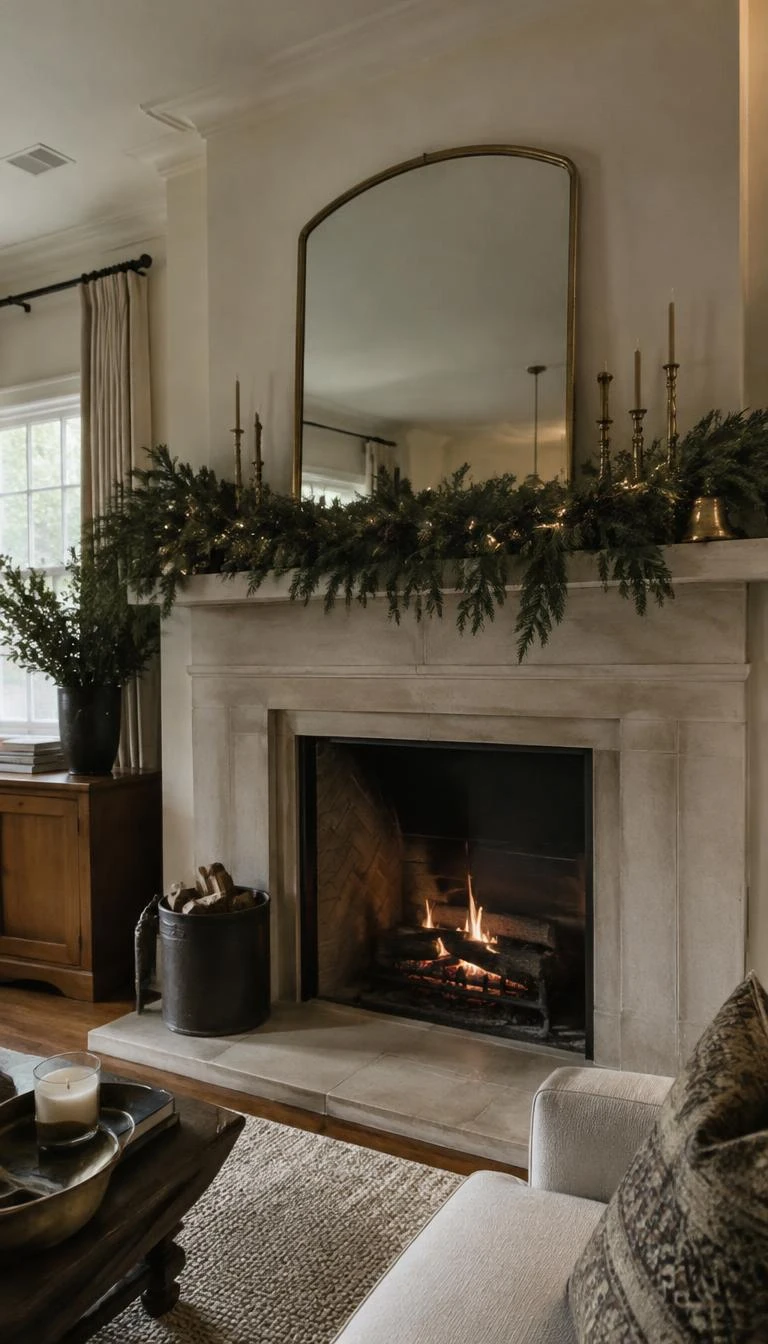
Exploring fresh Christmas window decoration ideas in 2026 feels most rewarding when you set aside plastic novelties in favor of balanced, tactile materials. A calm approach allows the winter view outside to remain part of the room while creating a warm frame from both the street and your sofa.
Real success comes down to texture, gentle illumination, and restrained scale. Fresh evergreen cuttings, unlacquered brass, muted papers, and matte ceramics catch daylight and candlelight without crowding the pane or blocking natural sun.
Below are 21 ideas you can adapt to your own rooms, whatever your sill depth or architectural style.
Hang Fresh Cedar Garlands Along the Interior Trim
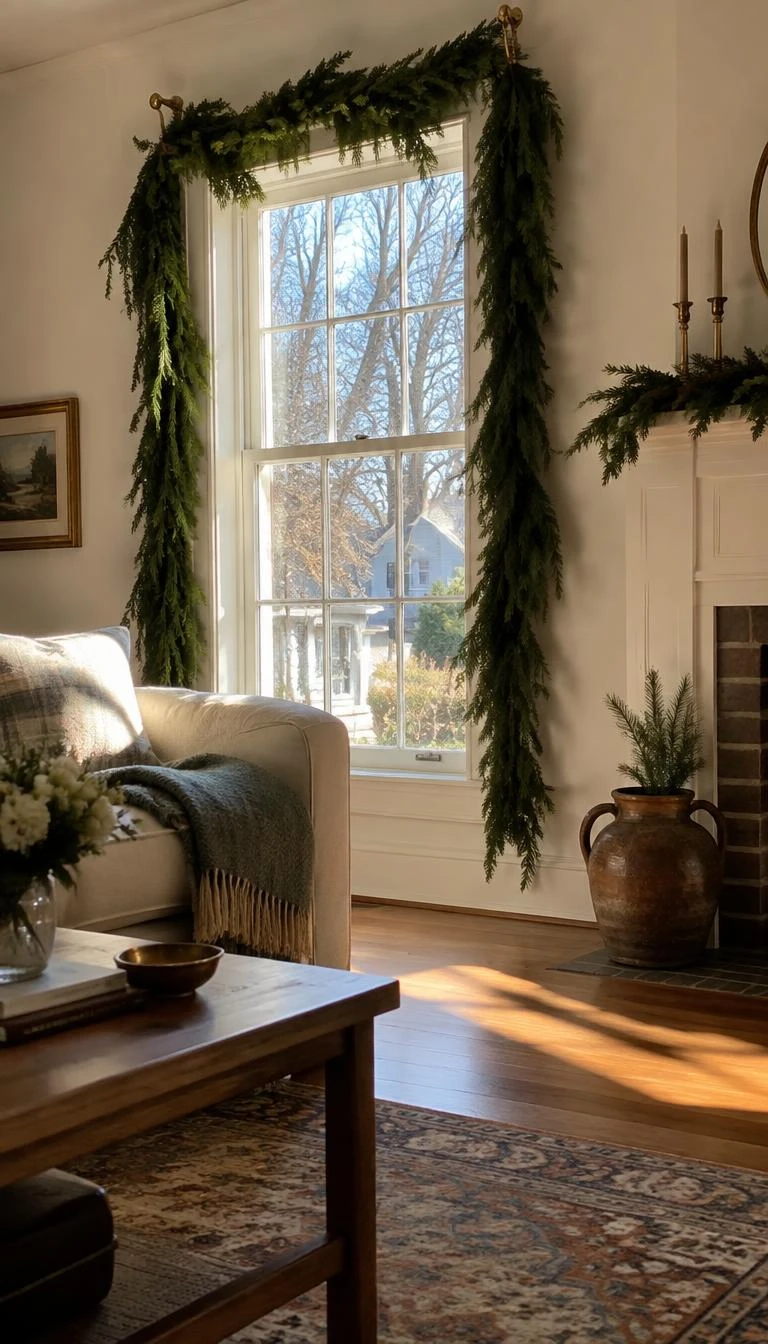
Draping greenery on the interior casing frames the outdoor view rather than covering the glass. Flat needle cedar works far better than stiff pine because it bends gently around molding corners without snapping.
Secure three small screw eye hooks directly into the top and upper corners of your wooden trim. Loop five yard lengths of fresh cedar through floral wire, letting five inches drape down each side jamb.
The mistake here is choosing thick garland that swallows the frame. You want a slender rope no thicker than two fingers. It suits traditional double hung sash windows especially well.
The dark green needles release a subtle resin scent every time the heater clicks on.
Group Brass Candlesticks on a Wide Sill

Gathering slender candleholders creates height without obstructing daylight. Polished metal can feel sterile, so unlacquered or vintage brass with mild patina offers the best glow against cold evening glass.
Set seven taper holders ranging from four to eleven inches tall across the board. Space them unevenly, leaving two inches between the closest pairs and six inches between others. Fill them with solid ivory beeswax tapers.
Safety dictates leaving three inches between the flame and any curtain fabric. I prefer beeswax because it burns cleanly without smoking up the glass pane.
The varying heights produce a soft staggered line of golden light across your street facing panes.
Suspend Paper Snowflakes on Raw Linen Thread
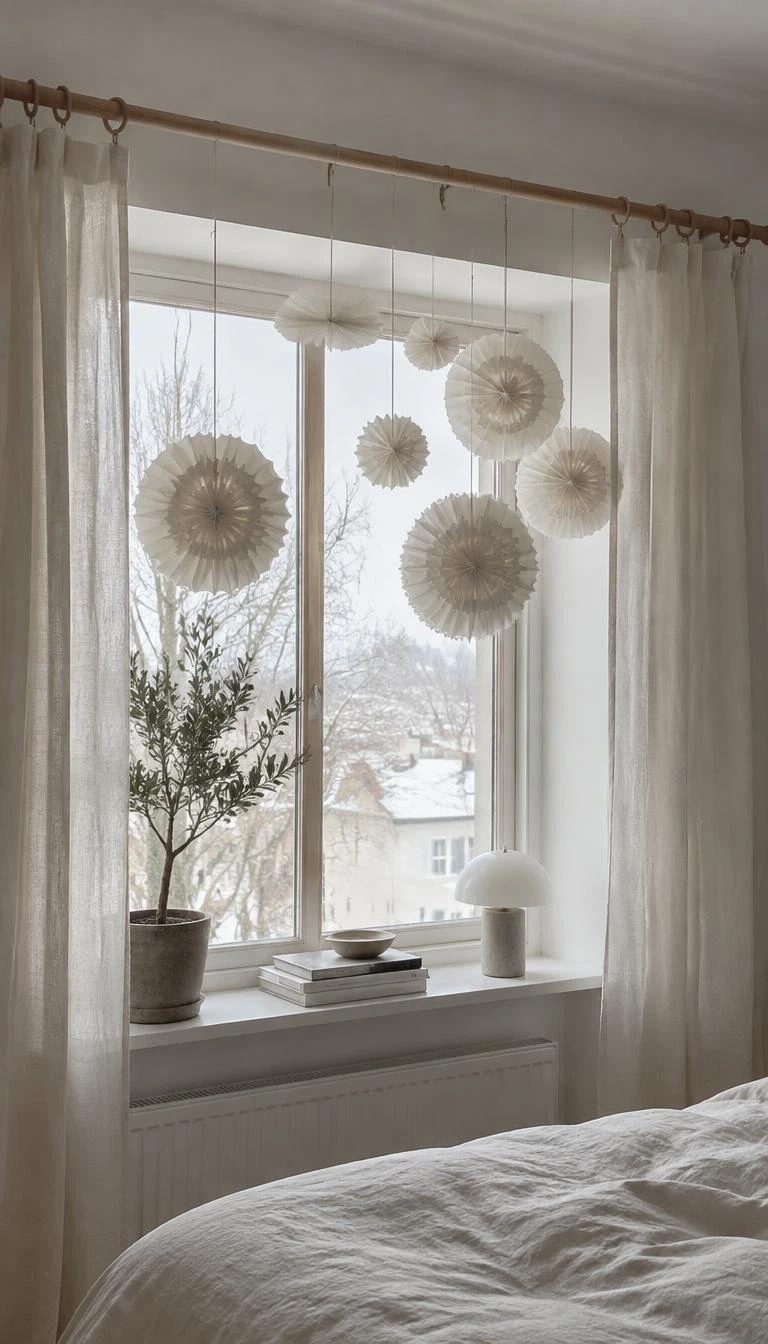
Delicate geometric cutouts offer movement that heavy ornaments cannot match. Heavy white printer paper often looks harsh against winter grey skies, so choose warm cream handmade paper with deckled edges instead.
Cut nine medallions across three sizes: four, six, and eight inches across. Thread each through an upper point using natural flax string, knotting the ends around your existing curtain pole.
Keep the suspension lines at irregular drops between eight and twenty inches. Symmetry destroys the airy charm of this arrangement. The paper discs turn slowly with the gentlest indoor air currents.
Line the Sill with Miniature Potted Conifers
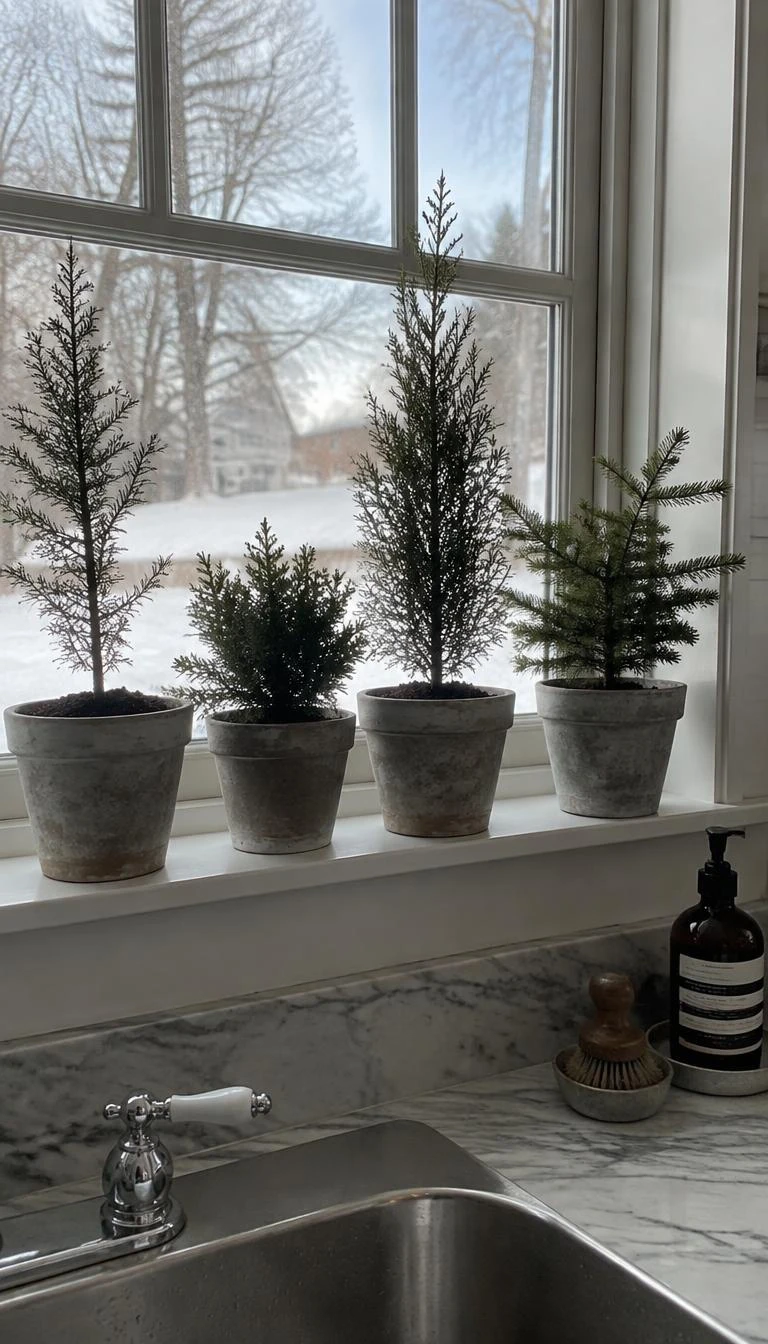
Living greenery outlasts cut boughs and introduces earthy pot textures to your sill. Potted dwarf spruce and lemon cypress bring varied foliage textures that stay vibrant past January.
Select four saplings under eight inches tall. Repot each into an aged grey clay pot measuring roughly four inches across, lining the bottom saucer with a thin felt pad to protect the paint.
Avoid plastic growers tubs entirely. Clay anchors the display with weight and visual grounding. The needle tones contrast cleanly against snowy outdoor backdrops.
Place a Single Lit Star in the Window Center

One focal accent often carries more impact than dozens of scattered trinkets. A three dimensional folded paper Moravian star provides classic geometry without feeling busy.
Choose an off white paper model between eighteen and twenty two inches in diameter. Insert a two watt warm LED bulb rated at 2200 Kelvin so the light mimics candle glow. Center it precisely within the upper third of the window glass.
The essential rule is keeping the rest of the sill completely bare. Clutter ruins the quiet silhouette. At dusk, the pointed facets cast warm geometric shadows across your ceiling.
Hang Glass Baubles at Varying Heights on Velvet Ribbons

Suspending ornaments directly from sash muntins makes use of vertical glass space. Mouth blown glass spheres in olive, smoke, and amber catch winter light beautifully while skipping garish tinsel finishes.
Cut six lengths of narrow half inch velvet ribbon in moss green. Tie each to an ornament cap, varying the drops between twelve and twenty six inches down the pane. Pin them securely to the top horizontal casing with small brass tacks.
Stick strictly to matte and translucent finishes. Mirrored finishes look cheap when natural light strikes them directly. The baubles sway gently without ever clattering against the glass.
Drape Soft Amber Fairy Lights Across Sheer Linen Curtains

Filtering light through sheer fabric softens bare bulbs into a golden haze. Thin wire strands disappear behind loose weave linen, hiding the mechanics completely.
Pick a thirty foot spool of copper wire micro lights emitting 2400 Kelvin warmth. Weave the strand back and forth behind the linen panels, letting the wire rest on curtain rings rather than clipping to the cloth.
Never choose bright white LEDs. That cool blue tone feels medical rather than festive. The woven linen scatters the tiny points of amber light across your evening room.
Arrange Dried Orange Slices on Bakers Twine

Translucent citrus wheels act like miniature stained glass panels under direct sun. Dehydrated naval and blood oranges offer stained glass tones that complement dark wooden window casings.
Slice oranges to one quarter inch thickness and bake at two hundred degrees for three hours until dry. Pierce each center with a needle, stringing twenty slices onto unbleached cotton cord with one inch gaps between them.
Suspend the strand horizontally four inches below your upper window frame. Over baking browns the fruit, destroying the ruby and amber clarity. Sunlight turns the dried citrus pulp into glowing stained glass rings.
Display Fluted Mercury Glass Votives Across the Ledge

Mercury glass adds reflective depth without needing heavy electrical cords. Ribbed or fluted surfaces fracture candle reflections along the cold glass, doubling the apparent warmth indoors.
Place eight vintage silvered votive cups across your sill in loose pairings. Use unscented soy tealights in clear cups so metallic foil liners do not show through the patterned glass.
Do not arrange them in a rigid straight ruler line. Group two together, leave an eight inch gap, then place three in a triangular cluster. The speckled silver finish softens the direct flame into warm starlight.
Rest a Natural Winter Berry Branch on the Frame

A solitary architectural branch provides drama without the bulk of dense wreaths. Leafless branches of winterberry or rosehip carry striking scarlet spheres that contrast sharply with bare winter landscapes.
Cut a single sturdy branch roughly four feet long, making sure it retains stiff side shoots. Lay it flat along the upper ledge of your window casing, securing it with two clear removable adhesive strips.
Artificial berries often show glossy plastic seams that spoil the effect close up. Fresh wild berries stay plump in cool window draft zones for weeks. The slender silhouette looks like an ink drawing against pale grey skies.
Hang Small Boxwood Wreaths from Satin Ribbons

Using smaller wreaths preserves your sightlines while adding crisp formal structure. Dense boxwood leaves offer a neat, tailored texture that pine boughs simply cannot replicate.
Select two twelve inch round boxwood forms. Loop a yard of two inch wide double faced satin ribbon in rich cinnamon through the top of each ring. Tack the ribbon ends to the top exterior of your upper window sash.
Ensure the wreaths hang exactly in the visual center of each pane section. Imprecise centering looks haphazard rather than relaxed. The deep green circles create immediate symmetry visible from the road.
Line the Base with Salt Dough Ornaments in Shallow Wooden Bowls

Rustic handmade items ground a window display with quiet domestic warmth. Salt dough stamped with evergreen sprigs mimics carved bone or unglazed earthenware.
Bake two dozen flat dough discs stamped with real pine needles. Pile them casually into a shallow eleven inch hand carved oak dish, tucking three small fir sprigs along the base edge.
Avoid painting the dough with glossy varnishes. The chalky, unsealed texture looks best beside aged wood and stone sills. The matte white shapes feel calm and honest beside cold glass panes.
Trace Minimal Botanical Motifs with White Chalk Markers

Window drawings offer temporary festive charm without taking up any sill space. Simple line drawings of pine needles and bare twigs look refined rather than juvenile when kept small.
Use a water based white chalk marker with a fine two millimeter tip. Sketch delicate fern leaves and slender pine boughs rising five inches from the bottom glass corners, leaving the main viewing center open.
Do not attempt complicated lettering or busy seasonal scenes. Restraint is what keeps this technique elevated. The white ink wipes off completely in January with a warm damp cloth.
Place Unfinished Wooden Trees on a Layer of Wool Felt

Turned hardwood shapes offer sculptural calm for modern interiors. Raw maple and beech cones echo the season through wood tones without a single plastic needle.
Cut a strip of thick oatmeal wool felt to match the length and depth of your window ledge. Arrange five turned wooden trees from five to ten inches high along the textile path.
Keep the timber bare and unvarnished. Glossy sealants cheapen the organic feel of raw grain. The felt base protects painted sill wood from scratches while adding visual warmth.
Hang Vintage Cookie Cutters with Thin Jute Cord

Old kitchen utensils bring authentic nostalgia to breakfast nooks and pantry openings. Aged tin cookie cutters catch daylight on their soft dull edges without feeling overly sweet.
Gather nine vintage tin cutters shaped as stars, firs, and moons. Tie thirty inch lengths of thin natural jute cord through the cutter handles, suspending them at varied drops along the top casing.
Avoid modern bright red or green painted steel cutters. The dull grey tone of genuine old tin fits the winter palette far better. They spin gently whenever you open the window sash.
Set Battery Pillar Candles Inside Frosted Glass Hurricanes

Ground floor windows facing streets require safety combined with reliable warmth. Frosted hurricane cylinders diffuse LED flicker, making artificial candles look completely convincing from outside.
Group three frosted glass cylinders measuring six, eight, and ten inches tall. Insert warm LED pillar candles programmed with built in six hour automatic timers so they illuminate at dusk on their own.
Avoid completely clear glass with battery candles since exposed plastic wicks ruin the illusion. The frosted glass surface turns harsh light into a diffuse lantern glow. You never have to worry about draft blown drapery catching flame.
Cluster Ceramic House Lanterns of Differing Heights

Miniature village lanterns bring a sense of quiet wonder without cluttering room floorboards. Unglazed white porcelain keeps the display clean and timeless.
Select four matte white ceramic building lanterns between five and nine inches in height. Arrange them across one side of the sill, placing a small battery tea light inside each tiny foundation.
Do not spread them across the whole length of the ledge. Grouping them closely together suggests a cohesive village lane rather than random knickknacks. Tiny cut windows cast charming light grids onto the indoor ledge.
Hang a Plaid Wool Throw Across a Window Bench

Dressing the window seat is just as vital as decorating the glass panes. A heavy tartan blanket folded over seat cushions signals comfort before anyone even sits down.
Fold a heavy wool throw blanket in forest green and navy check into a tidy twelve inch wide band. Drape it across the middle cushion of your window seat, anchoring it with a natural linen pillow.
Avoid thin synthetic fleeces that build static and pill easily. Natural fringe and dense wool fibers lend true substance. It invites you to lean against the frame with a hot cup of tea.
Suspend Pinecones Dipped in Beeswax from the Sash

Coating wild pinecones in melted beeswax creates a soft pale crust that resembles frost. The wax adds subtle honey scent while softening the dark brown scales.
Gather six large sugar pinecones. Dip the bottom half of each cone into melted golden beeswax twice, allowing fifteen minutes between dips. Tie each to an eighteen inch length of ivory grosgrain ribbon.
Avoid using commercial white craft paint. Dipped wax gives an authentic translucent frost layer that smells incredible. They catch the morning sun with a delicate honey colored rim.
Float Tallow Floating Candles in Clear Glass Cylinders

Water elements reflect candlelight in an unexpected and calming way. Simple glass cylinders filled with clear water create moving light reflections across the pane as the wax burns down.
Use three straight cylinder vases four inches wide and eight inches tall. Fill each with cool tap water up to two inches from the rim, floating a single white beeswax disc on the surface.
Resist adding red food dye or loose glitter to the water. Plain water mirrors the flame with pristine clarity. The slow flicker washes over the glass with quiet movement all evening.
Rest a Slender Birch Log Wrapped in Wire Lights on the Sill

Horizontal wooden elements provide low profile warmth that works well with blinds. A single chalky birch branch brings forest bark texture right up to the glass line.
Find a fallen paper birch branch three feet long and two inches in diameter. Wrap twenty micro LED bulbs on silver wire tightly around its length, tucking the battery case behind a curtain fold.
Do not choose thick firewood logs that overwhelm shallow sills. A slender, elegant branch leaves room for curtain operation while providing a glowing horizontal foundation. It stays quietly festive long after the holidays pass.