
8 Best Exhaust Fans for Small Bathrooms 2026

This post may contain affiliate links. As an Amazon Associate I earn from qualifying purchases. If you choose to make a purchase, I may earn a small commission at no extra cost to you.
A small bathroom can hold onto steam and odors, especially after a shower. A fan that moves too little air leaves moisture hanging around, while an oversized or poorly fitted unit can add noise or make installation harder. You need airflow that suits the room and a housing that fits your ceiling and duct.
For a practical upgrade, check the fan’s CFM, sound rating, opening size, and whether it includes a light. The Broan-NuTone BEL8 Bathroom Fan is our best overall pick, with 80 CFM, 1.5 sones, an integrated LED, and room-side retrofit installation. This guide covers the best exhaust fans for small bathrooms you can buy in 2026, plus how to choose an option for your space and setup.
Our Top Exhaust Fans for Small Bathrooms Picks

Broan-NuTone BEL8 Bathroom Fan
- Airflow: 80 CFM
- Noise: 1.5 sones
- Light: Integrated LED, 3500K


- Airflow: 110 CFM
- Noise: 1.0 sone
- Light: No light
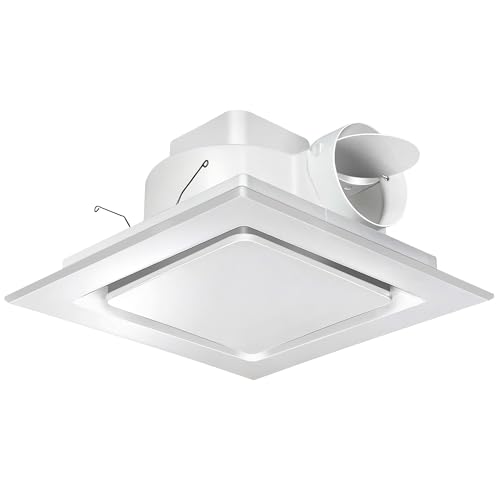
- Airflow: 110 CFM
- Noise: 1.0 sone
- Light: No light

Gopper Bathroom Fan with Light
- Airflow: 120 CFM
- Noise: 1.0 sone
- Light: 12-inch LED, non-dimmable


Holdly V2262 Bathroom Exhaust Fan
- Airflow: 50 CFM
- Noise: 1.0 sone
- Room coverage: Smaller spaces

Moonjor 4-Inch Vent Extractor Fan
- Airflow: 50 CFM
- Noise: Quiet operation
- Room coverage: Small-room ventilation
More Details on Our Top Picks
Broan-NuTone BEL8 Bathroom Fan pairs 80 CFM ventilation with an integrated LED, making it a practical choice for a small bathroom that also needs ceiling light. It handles rooms up to 75 square feet and runs at 1.5 sones.
The fan moves more air than the 50 CFM models here, while its sound level falls between the 1.0-sone options and Broan-NuTone’s 2.0-sone fan. Its 3500K LED has a 50,000-hour rated life.
You can retrofit it from the room side without cutting drywall or reaching the attic. That makes it a useful pick for an existing bathroom where ceiling access creates a hassle.
The CleanCover grille has a floating look, and its Slideclip attachment makes removal easier for cleaning. The Broan-NuTone BEL8 also carries a three-year warranty, but its 7.5-by-7.25-inch housing and 9.5-inch-square cover need to fit your ceiling layout.
Bottom line: Choose it if you want a quiet, efficient fan with an integrated light and room-side retrofit installation.
Broan-NuTone 688ES Bathroom Fan suits a powder room or small bathroom up to 45 square feet. Its 50 CFM airflow matches the needs of a compact space without adding a light you may not need.
At 2.0 sones, it makes more noise than the 1.0-sone options in this roundup. The trade-off is a straightforward fan from a familiar line, with ENERGY STAR certification and a simple white grille.
Foldable mounting brackets let you fit it from below without attic access or cutting a new opening. The housing measures 7.25 by 7.5 inches, and the fan uses a 3-inch duct.
The removable grille makes routine cleaning easier, and its bright white finish should suit many ceilings. Broan-NuTone 688ES Bathroom Fan makes the most sense when you want ventilation for a small room and value a compact retrofit over extra airflow or a built-in light.
Bottom line: Pick it for a small powder room where 50 CFM is enough and you want an ENERGY STAR fan without an integrated light.
Amico 110 CFM Bathroom Fan suits a small bathroom where you want more airflow than the 50 and 80 CFM models provide. It moves 110 CFM and runs at 1.0 sone, with enough ventilation for rooms around 100 square feet.
This model has no light, so it works best if your ceiling already has lighting or you plan to add a separate fixture. Its ETL and FCC listings add clear safety credentials.
The fan uses a 4-inch duct and needs a recommended ceiling cutout of 9.4 inches square. Mounting brackets let you attach it between ceiling joists or directly to a joist.
If your existing duct measures 3 inches, you can contact Amico for a reducer. That extra step may affect a replacement project, but the fan’s three-year warranty and low noise make it a capable choice for a bathroom that needs stronger ventilation.
Bottom line: Choose it if you need 110 CFM, low operating noise, and a fan without a built-in light.
Orsong Bathroom Exhaust Fan delivers 110 CFM for bathrooms up to 100 square feet, while its 1.0-sone operation keeps noise low. That airflow gives you more capacity than the 50 CFM fans here if your small bathroom gets heavy steam.
The fan has no light, so it suits a bathroom with a separate ceiling fixture. Its 4-inch duct and 8-inch ceiling opening make the fit fairly specific, so check your existing cutout before you choose it.
A quick-mount bracket lets you attach the unit between joists or directly to one. The fan measures 10 inches across, and its housing stands 5.5 inches high.
Orsong includes two years of support, with a US-based team that responds within 24 hours. This fan works well for a quiet replacement with a larger airflow target, though its 8-inch opening may not match every existing ceiling hole.
Bottom line: Pick it if your bathroom needs 110 CFM and your ceiling has an 8-inch opening with a 4-inch duct.
Gopper Bathroom Fan with Light combines 120 CFM airflow with a 1.0-sone sound level. It suits a bathroom up to 100 square feet, so it offers more ventilation than the smaller 50 and 80 CFM picks.
The 12-inch LED panel gives you a fan and ceiling light in one unit. The light uses a single color and does not dim, which limits your control over brightness.
Check the fit before buying: the panel measures 11.8 inches square, the mounting hole needs 9.8 inches square, and the duct measures 4 inches. That large panel may take up more ceiling space than you want in a very compact bathroom.
Centrifugal impellers help the fan move air while keeping its sound level low. Gopper Bathroom Fan with Light makes sense if you want high airflow and a built-in light, but the fixed light setting may not suit every routine.
Bottom line: Choose it if you want a high-airflow fan with a large, non-dimmable LED panel.
RLOZUI Bathroom Fan with Light moves 120 CFM and runs at 1.0 sone. You get strong airflow and an integrated LED, though the product data does not give a room-size rating to help match the fan to your bathroom.
The 6500K light gives the fixture a bright, cool color. If you prefer a warmer bathroom light, that color may not suit your preference.
The fan needs a 4-inch duct and an 8.3-inch ceiling opening. Its panel measures 9.8 inches square, and a snap-on spring design helps you remove it for cleaning.
RLOZUI uses an ABS housing and blades with a copper motor and thermal protection. Those details set it apart from the simpler fan-only choices, but you should measure your ceiling opening before choosing this light-and-fan combination.
Bottom line: Pick it if you want 120 CFM, low noise, and a bright 6500K LED in one unit.
Holdly V2262 Bathroom Exhaust Fan moves 50 CFM and runs at 1.0 sone, making it a quiet option for a smaller bathroom or laundry area. Its airflow matches the compact Broan-NuTone fan, but Holdly uses a larger rough-in opening.
The key fit detail is the 8-inch rough-in opening. Its motor duct extends 6.5 inches, so check both the ceiling space and duct route before you start a replacement.
A grounding screw provides a point for the electrical ground connection. Holdly also says one person can handle installation, which may help if you plan to fit the fan yourself.
The fan can move air in small spaces, but it does not include an integrated light. Holdly V2262 Bathroom Exhaust Fan makes the most sense when your ceiling already has the required opening and you want a low-noise, 50 CFM unit.
Bottom line: Choose it if you have an 8-inch rough-in opening and want a quiet fan for a smaller room.
Moonjor 4-Inch Vent Extractor Fan moves 50 CFM and suits small rooms where you need basic moisture and odor ventilation. Its compact 4-inch duct and wall or window mounting options make it different from the ceiling fans in this roundup.
The fan runs quietly, but its sound level does not come with a listed sone figure. Its plug-in power cord measures 3 feet and uses a standard two-flat-pin US plug without a grounding wire.
You can use the back damper for a wall or window mount, then remove it for ceiling installation. The frame and blade use ABS plastic, and the power cord carries ETL certification.
Moonjor 4-Inch Vent Extractor Fan draws 12 watts and works with 110V/60Hz power. It gives you flexible mounting and a simple plug-in setup, but its 50 CFM airflow best fits a small area rather than a bathroom that needs stronger ventilation.
Bottom line: Choose it if you want a compact, plug-in fan for a small room and need wall, window, or ceiling mounting.
Factors to Consider When Choosing Exhaust Fans for Small Bathrooms
Start by matching airflow and fit to your room. Then compare noise, installation needs, and lighting so your fan works for both your bathroom and your routine.
Airflow and Room Size
Start with the bathroom’s floor area and the fan’s CFM rating. A compact room may need less airflow than a larger bath, but a shower adds moisture that the fan must clear.
Check both the stated room coverage and the airflow number instead of judging by CFM alone. Compact-bathroom fans span about 50 to 120 CFM, with coverage that can range from a tiny room to about 100 square feet.
| Airflow rating | Example stated coverage |
|---|---|
| 50 CFM | Up to 45 sq. ft. |
| 80 CFM | Up to 75 sq. ft. |
| 110 to 120 CFM | About or up to 100 sq. ft. |
Use coverage figures as a guide, not a promise for every layout. If you have a larger room or take frequent showers, favor more airflow as long as the duct and opening fit.
Noise Level
Fan noise ratings use sones, and a lower number means quieter operation. A 1.0-sone fan suits you if bathroom noise carries into a bedroom or you run the fan while someone rests nearby. A 1.5-sone model keeps sound modest for many homes, while 2.0 sones may be easier to hear.
Compare the sone rating rather than relying on words such as “quiet.” If you plan to run the fan after showers, choose a sound level you can live with for longer periods. A quieter fan may also feel less disruptive during everyday use.
Duct and Ceiling Opening
Check the existing duct diameter before you buy. Small-bathroom fans may use 3-inch or 4-inch ducts, and ceiling openings can measure around 8 to nearly 10 inches.
A mismatch can call for extra ceiling work or a change to the duct setup. Measure the opening from the room side and note where the joists sit, since the fan housing needs to fit that space.
- Measure the duct’s inside diameter.
- Check the ceiling cutout or rough-in size.
- Compare both measurements with the fan’s fit requirements.
Matching the new unit to your existing setup can limit extra work. If the duct size differs, plan for the added steps before you start.
Installation and Access
Think about how you can reach the space above the bathroom ceiling. A room-side retrofit design can suit you if you want to work from inside the bathroom or lack attic access. Other fans use joist brackets, quick-mount hardware, or spring clips, so check how each mounting method fits your ceiling and skills.
Look for clear directions on wiring and mounting, and follow local electrical rules. If you feel unsure about electrical work, ask a qualified electrician to handle the connection. Also check whether the installation needs a ceiling cutout, since that affects the time and tools you need.
Light and Energy Use
Decide whether you want the fan to replace or supplement your bathroom light. An integrated LED keeps the light and fan in one ceiling unit, while a fan without a light may suit a room with enough existing illumination. Check the light’s size, color temperature, and whether it supports dimming if those details matter to you.
A non-dimmable light will not give you that adjustment. If energy use matters, look for ENERGY STAR certification. Match that feature with the airflow you need rather than choosing a fan based on its light alone.
Pick the Fan That Fits Your Bathroom
Choose the Broan-NuTone BEL8 if you want an 80-CFM fan with an LED and room-side retrofit fit. The 688ES suits tiny baths and a 3-inch duct.
For stronger airflow, the Amico and Orsong each move 110 CFM, while Gopper and RLOZUI pair 120 CFM with integrated lights. Gopper has a 12-inch non-dimmable LED, and RLOZUI uses a snap-on spring design.
Pick Holdly if you need an 8-inch rough-in and one-person installation, or Moonjor if a plug-in cord fits your plan. Before you buy, match the airflow to your room, then check the duct and ceiling opening against your existing setup. That helps you choose a fan that fits both the bathroom and the work you want to take on.
Frequently Asked Questions
How much CFM does a small bathroom fan need?
Use the room’s floor area and the fan’s stated coverage as your first check. Small bathrooms often suit fans around 50 to 80 CFM, while larger compact baths may call for 110 CFM or more. A shower adds moisture, so do not choose by room size alone. Follow the coverage guidance for the fan you select.
What is a quiet rating for a bathroom exhaust fan?
Look for a low sone rating if you want less operating noise. A rating around 1.0 sone runs quietly, while 1.5 sones still suits many homes that value a calm bathroom. A 2.0-sone fan may sound more noticeable, especially if the bathroom sits near a bedroom or living area.
Should you run the fan during and after a shower?
Run the fan while you shower and keep it on afterward to help clear moisture from the room. The right run time depends on the bathroom and how much steam builds up. If your fan has a timer, you can set it to keep running after you leave without needing to switch it off by hand.
Can you replace a bathroom fan without attic access?
Some fans support room-side retrofits, so you can work from inside the bathroom. Check the fan’s mounting method, ceiling opening, and duct size before you begin. A room-side design still needs a suitable electrical connection and a path for the exhaust duct, so check the fit before removing the old unit.


